Showing posts with label birds of prey. Show all posts

Tuesday, 17 January 2012

Winter birds on the Ock Valley Walk

A cold Tuesday morning seemed an ideal opportunity to start to burn off the Christmas excess by walking to work along the river. Although it can be dark in the morning, there is usually something of interest to see.
The bright flash of a kingfisher is always guaranteed to lift the spirits and seems somewhat out of place and almost exotic on a cold day in January in England.
Kingfishers migrate within the UK, often heading to warmer temperatures in the south, but either this one has decided to see out the winter on the river, is just passing through, or is not yet ready to move on:
.

.
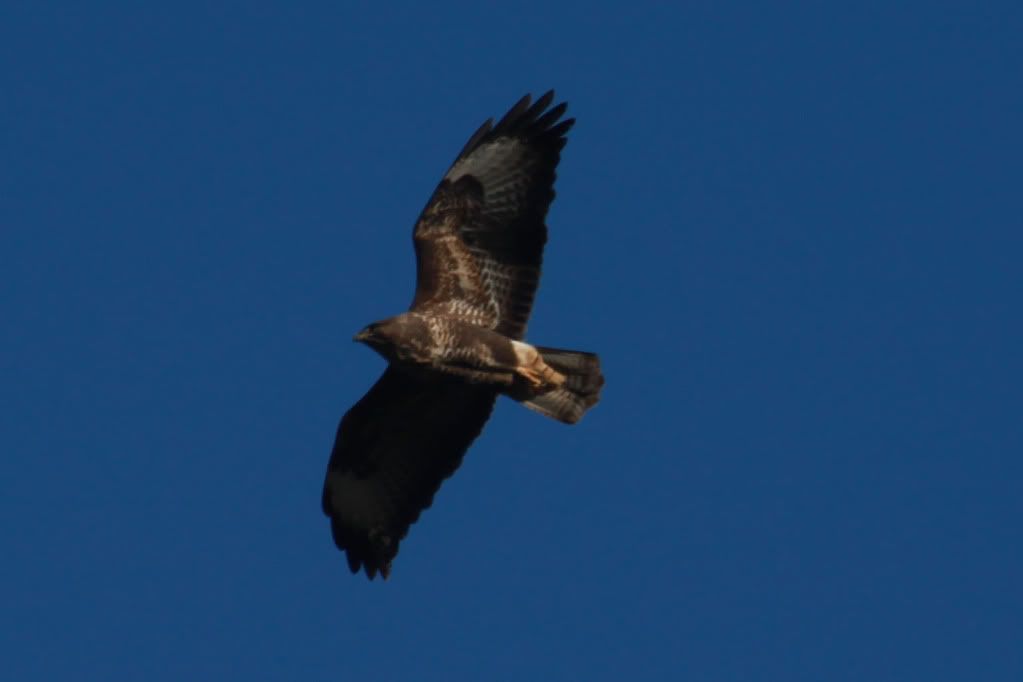
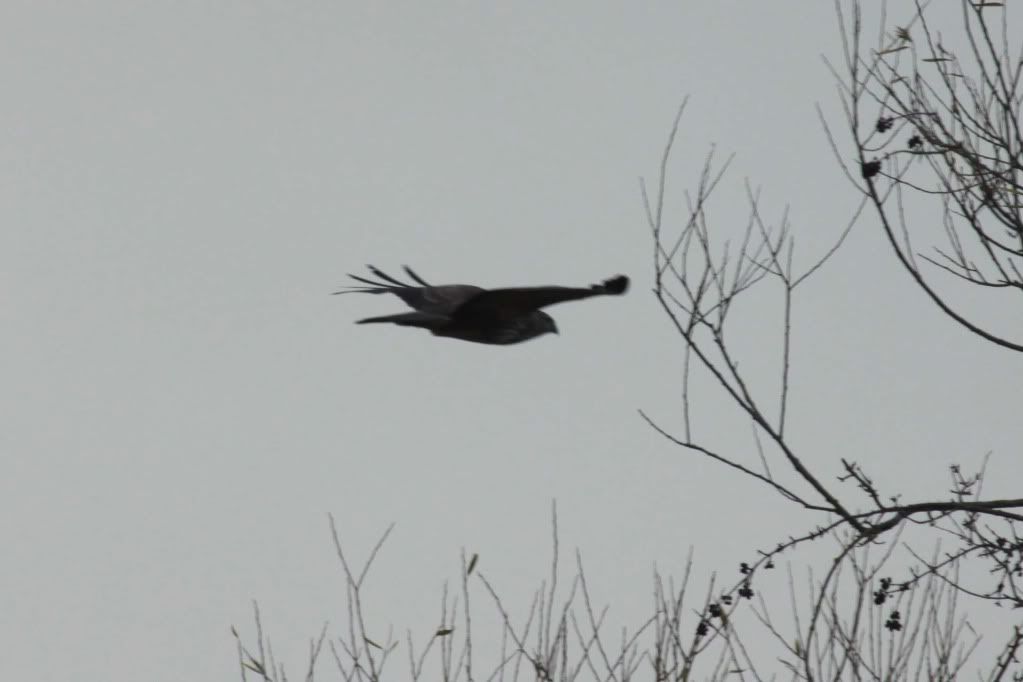
Buzzards are now quite common in Oxfordshire and are usually associated with the open fields and meadows where they hunt. So it is somewhat of a surprise is to see the dark shape of a buzzard as it flies amongst the trees. 
Perhaps it is trying to find a suitable nest site?  This could be interesting as it is along here that red kites have nested in previous years and they are usually tolerant of each other.
.
.
A more common bird is the robin and they can often be seen, even with it's prominent red breast hidden in the gloom.
Unlike many small birds which from flocks in winter, robins remain territorial and can often be seen chasing each other. 
.
.
And a bird that is always common on the Ock, especially near town, where they are often fed is the mallard.  Population numbers are boosted by migrants from Iceland and Scandinavia, but a decline in the wintering population has, perhaps surprisingly, resulted in the BTO classifying it's sat us as amber (http://www.bto.org/birdtrends2010/wcrmalla.shtml):
.

Thursday, 29 December 2011

Review of the year - 2011

As this is probably the last post of the year, it's a chance to look back and reflect on the last 12 months  - which have consisted of 48 posts, 131 comments and 3079 photographs (fortunately, only a few of these have featured in the blog).
For what is only a small insignificant river, there have been a suprising variety of subjects - boxing hares (females fending of amorous males): http://viewsoftheock.blogspot.com/2011/12/festive-plasmodial-slime-mould.html, hobbies chasing swifts and swallows: http://viewsoftheock.blogspot.com/2011/06/annoying-insects.html and slime moulds living bizzare and complex lives (http://viewsoftheock.blogspot.com/2011/12/festive-plasmodial-slime-mould.html).  
So choosing five was always going to be difficult....


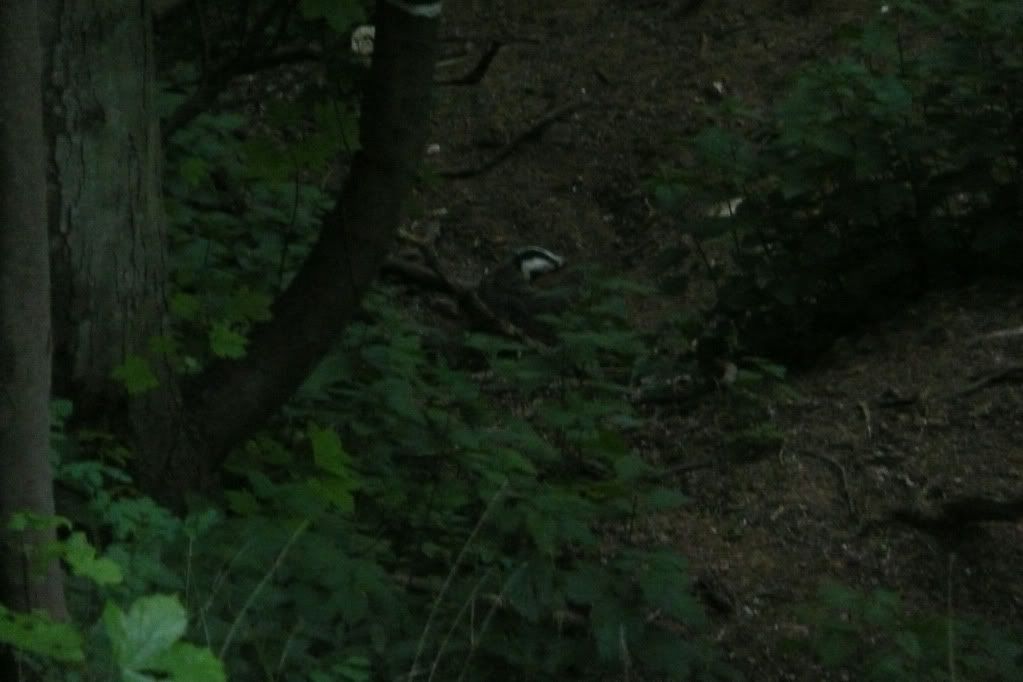
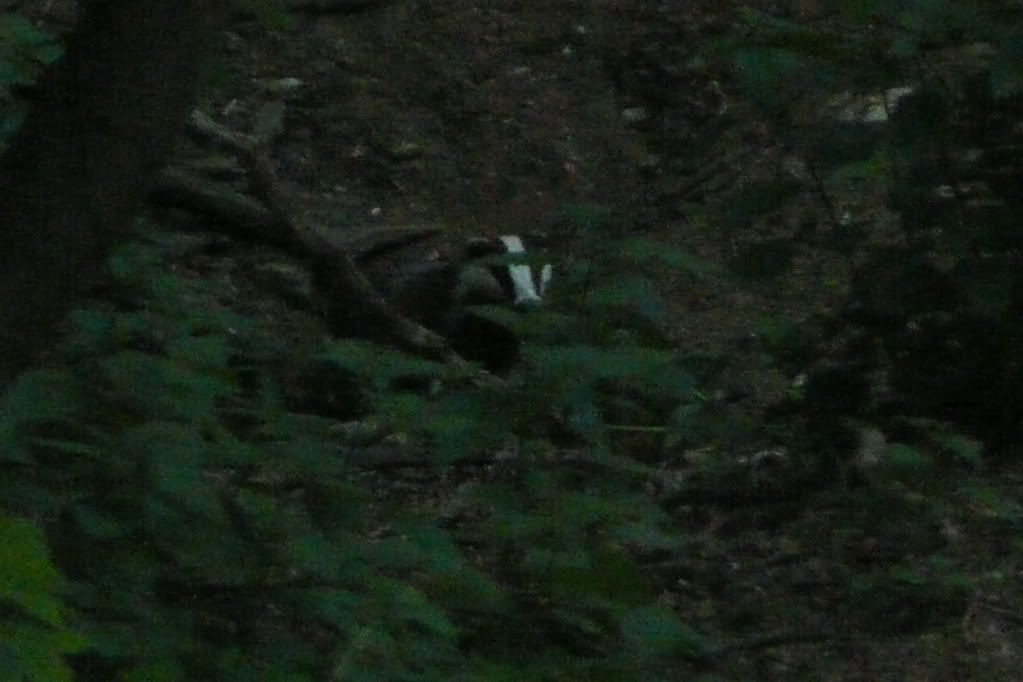
Badgers at Wytham Woods: Once in a while, this blog leaves it's native territory and explorer further afield and one of the places it likes to visit is Wytham Woods to the west of Oxford.
Owned by the University of Oxford, it is famous for it's badgers and in spring, members of the public are invited to take part in the badger census (to give the researchers an idea of which setts are active).
This involves sitting silently (and uncomfortably) for several hours watching a designated badger sett: http://www.viewsoftheock.blogspot.com/2011/05/badger-census-at-wytham-woods.html
Many don't get to see a badger, but when we did it back in May we saw several and even with a high ISO on a compact camera it is possible to get reasonable pictures.
.
.
.
Bumblebees: 2011 featured several posts on bumblebees - including one on the seldom seen subject of bumblebee mating: http://www.viewsoftheock.blogspot.com/2011/07/perils-of-bumblebee-mating.html
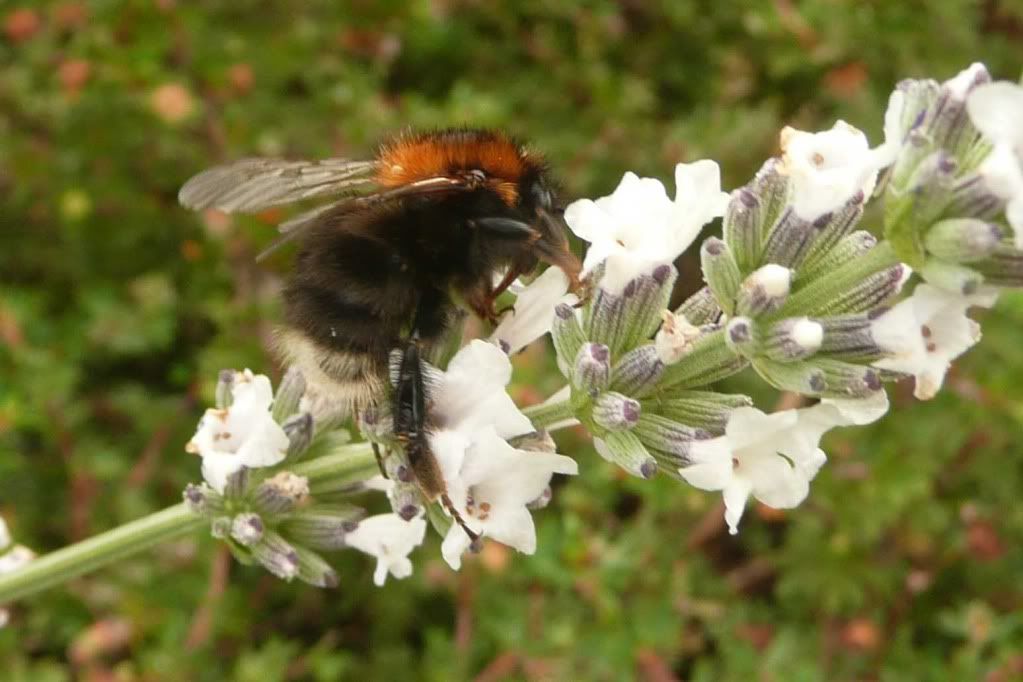
But the best post has to be about Tree Bumblebees:
.
.
First discovered in the UK in 2001, they have spread northwards from the New Forest and it was something special to find one feeding on the lavender in our front garden:
http://www.viewsoftheock.blogspot.com/2011/07/tree-bumblebees.html


Sparrowhawk: Garden birds have featured in this blog several times, whether it is under taking the RSPB Garden Birdwatch Survey (http://www.viewsoftheock.blogspot.com/2011/01/big-garden-birdwatch.html) or documenting the arguments between Goldfinches on the feeders (http://www.viewsoftheock.blogspot.com/2011/12/argumentative-goldfinches.html).
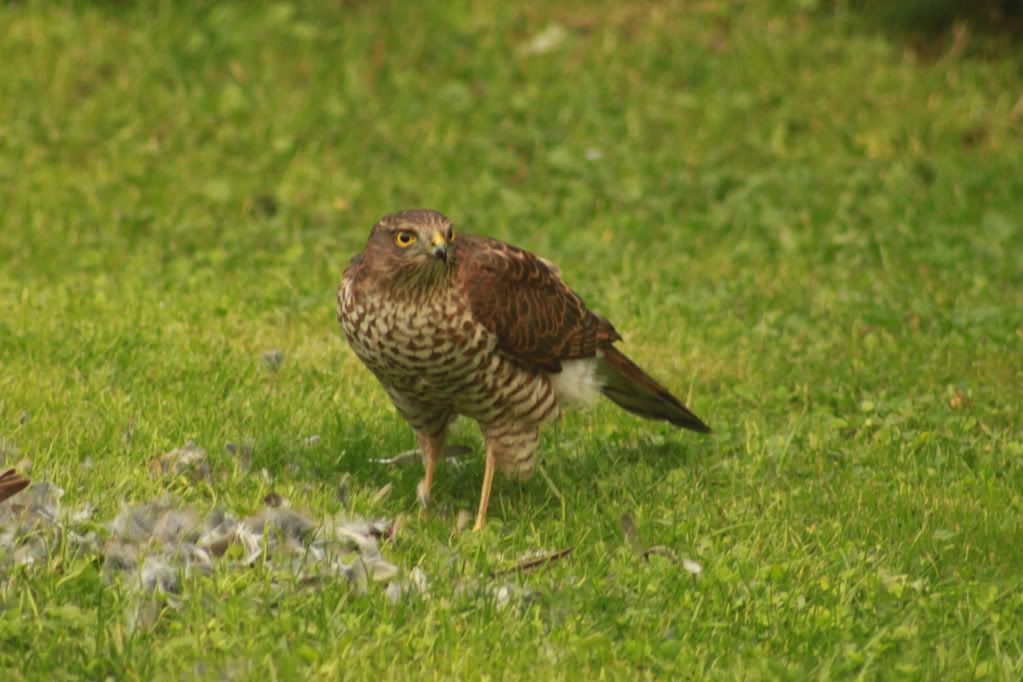
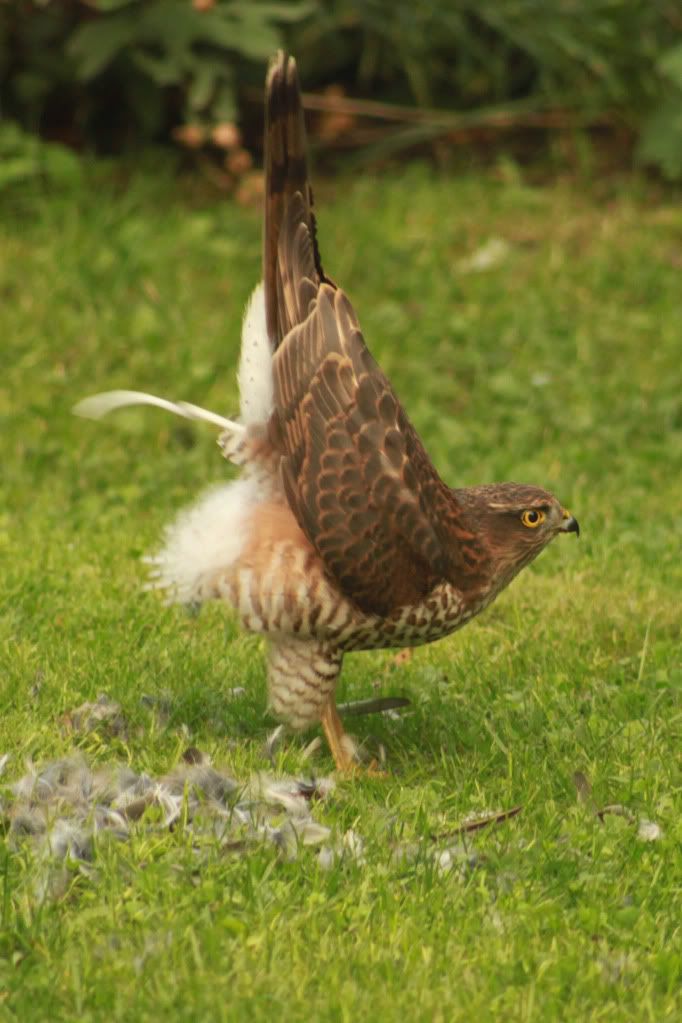
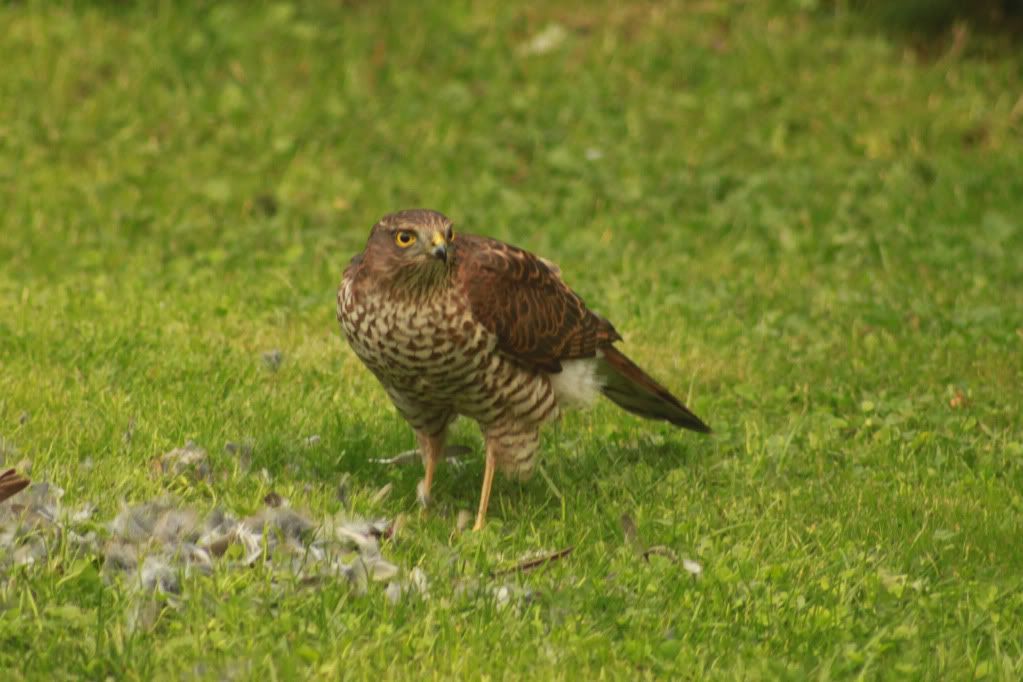
Attracting goldfinches, sparrows, robins and greenfinches into the garden also attracts those who like to feed on them, cats being one, but more welcome visitors are the sparrowhawks. Like this young male seen in October, eating one of the pair of dunnocks that frequented the garden (I'm convinced it was a dunnock, as we only have one visit the garden now):
.
.
The sparrowhawk remained in the garden for 15 minutes, seemingly unconcerned about me taking pictures of it. Until there was hardly anything left of the unfortunate dunnock, but before it left, it allowed me to get my favourite action shot of the year:
.
.
The original post was back in October: http://www.viewsoftheock.blogspot.com/2011/09/return-of-sparrowhawk.html
.
Tree Climbing Water Voles: Another frequent subject of this blog are water voles and they were one of the reasons it was started.  The past year has focused on colonies on the Ock http://viewsoftheock.blogspot.com/2011/05/argumentative-water-voles.htmland at Radley Brook (http://www.viewsoftheock.blogspot.com/2011/06/water-voles-of-radley-brook.html)
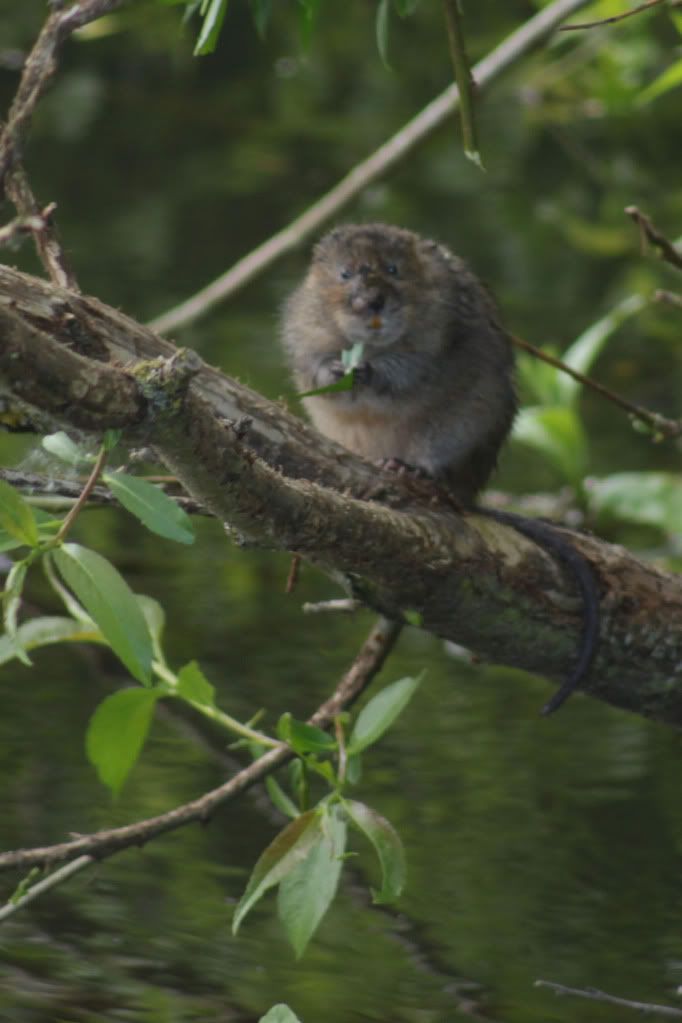
I have read about water voles climbing trees, but thought it was a somewhat unusual activity until I did a survey for the Wildlife Trust. During it  I was suprised to see a water vole swimming along the river, I was more surprised to see it start to climb along one of the branches of an over hanging tree, I was even more surprised as it climbed and climbed until it disappeared out of sight.
.


I kept returning to this part of the river to see them climbing trees, taking two of my favourite pictures of the year providing two posts ( http://www.viewsoftheock.blogspot.com/2011/05/water-voles-and-willow-trees.html  http://www.viewsoftheock.blogspot.com/2011/04/tree-climbing-water-vole.html)


.


But as spring turned to summer, they kept away from the trees preferring the sedge and arrowhead that had started to grow.


Otters: Having detected signs of otters back in February 2010, they have been a semi-regular subject on this blog - whether it is finding spraints () or half eaten crayfish (another favourite subject of this blog - http://viewsoftheock.blogspot.com/2011/08/yet-more-dead-crayfish.html).
So it is perhaps not surprising that the favourite post of this year (or any year) is the sighting of not one, but three otters back in May (http://www.viewsoftheock.blogspot.com/2011/05/otters.html &  http://www.viewsoftheock.blogspot.com/2011/05/more-otter-pictures.html).  
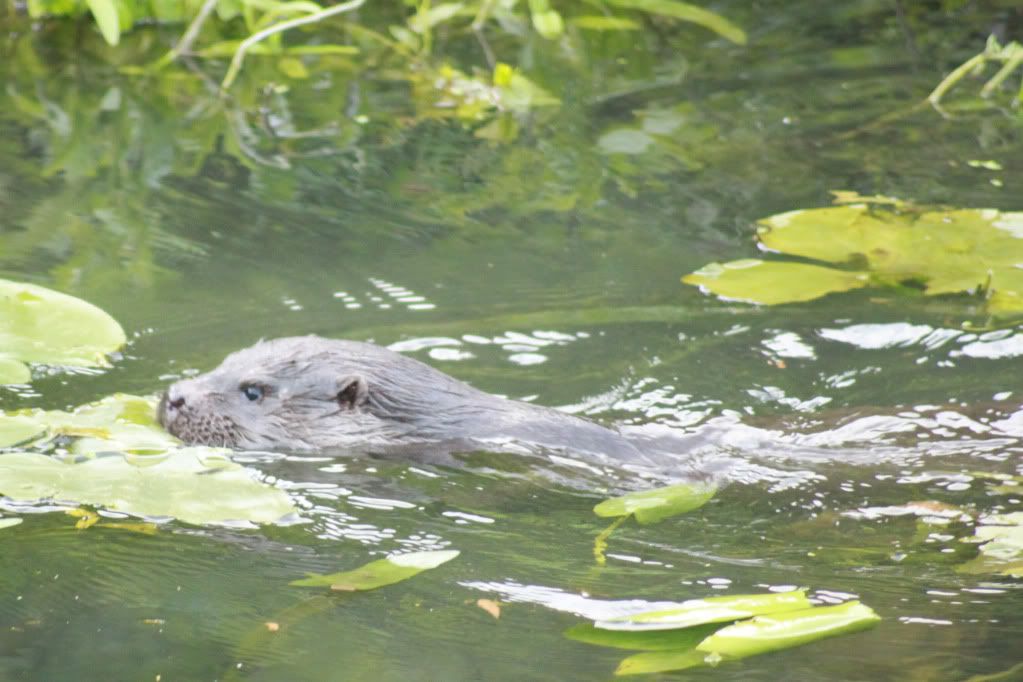
Then, during May and June, I saw the otters several times, sometimes it was the three of them (mother and two cubs) and sometimes it was a solitary otter.  All sightings were accidental, like this one, taken at 6.30 in the evening when I had gone to look for butterflies and bumblebees.
.
.
What is interesing is most reference books describe otters and shy and nocturnal, but not only have I seen them in daylight, but they seem quite curious and they look up if they here the camera shutter 
.
.
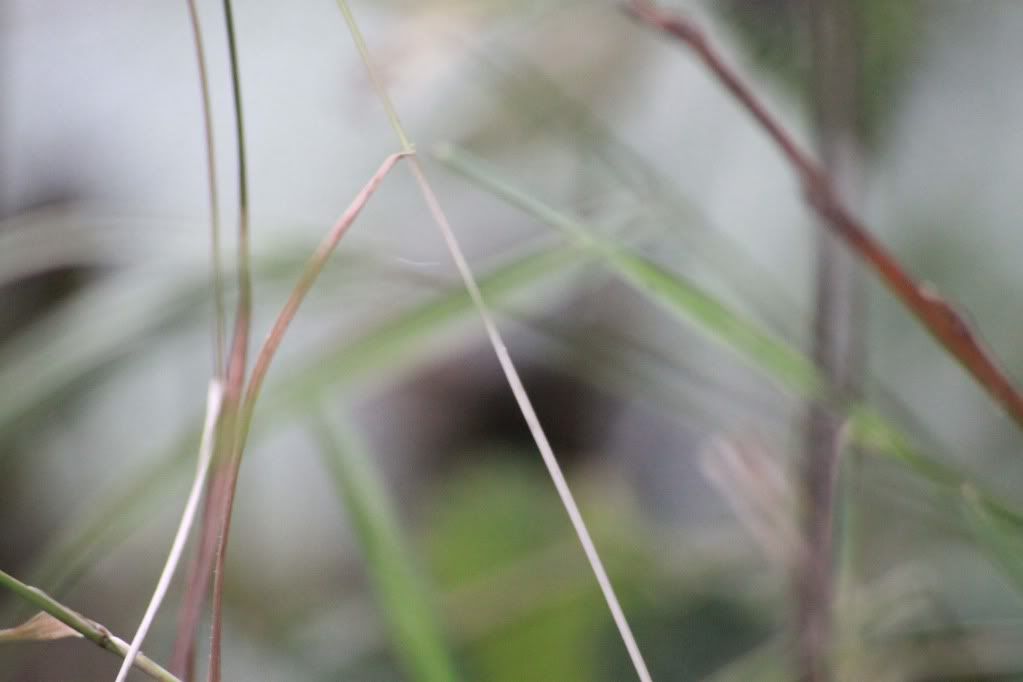
And on one occasion one of them swam over for a sniff was less than a metre away.
Unfortunately, my camera focused on the grass in front of it, providing me with the most disappointing picture of the year:
.


It's probable that the cubs have now dispersed and it is unlikely I will see them again next year, and even if I don't, I know I have seen one of the UK's most elusive and fantastic animals and something I will treasure forever.


Many thanks to all who read the blog and especially to those who have left comments, without them it is doubtful if the blog would have lasted this long and without this blog I would never have seen the wonderful array of wildlife that is found on this small river and hopefully I have managed to convey some of these delights.


Thank you, all the best for 2012


Richard

Monday, 19 December 2011

Random Stuff

Dark nights and mornings, Christmas preparations and not to say horrid winter colds has meant that getting down to the river (or elsewhere) has been virtually impossible recently.  Perhaps it's a time to go through some recent pictures which, for whatever reason, did not make it into a post:
.
Buzzard: Buzzards are a frequent subject of this blog, as fortunately at least one pair has been breeding near the river. Although having one fly low overhead is somewhat unusual, especially with the lighting conditions making the patterns on their wings and bodies obvious - as this one seen in late November.
.
.
There are four birds of prey that are often seen by the river, sparrowhawks, kestrels, red kites and buzzards.
What is somewhat interesting is red kites and buzzards share the same food - carrion, rabbits and when times are hard - worms, yet they don't seem to be territorial with each other.
.
Severed Fish Head: There probably aren't too many people in Abingdon who not only get excited about finding a severed fish head, let alone stop and take a photograph of one.  But this one, seen along the Ock Valley walk back in October is probably an otter kill.
.
The mother and the two cubs seen back in May would probably have now separated, with the mother driving the cubs out and she seeks to breed again.  Could this have been mother? Or one of the cubs trying to set up a territory or a dog otter, living in the nearby Thames, coming into feed and maybe seek out a receptive female?


Kingfisher: The steep banks along the river make the Ock an ideal habitat for kingfishers and it  is not uncommon to see the bright flash as one streaks past and they can sometimes be seen sat on a branch watching for fish.  But as they are easily disturbed, being able to take a picture of one is unusual. In fact in late November, whilst walking to work, presented one of the few opportunities this year to be close enough to get a picture:


.
As the weather gets harsher and the river gets fuller and starts to freeze, the kingfishers may migrate to warmer parts of the country, where it is easier to find food.  Returning in spring to breed again.


Starlings:As regular readers of this blog will know, the starlings at Otmoor are a favourite subject of this blog.  It is certainly one of the sights of the county, if not the country with hundreds of thousands of starlings woshing overhead and forming mesmerising shapes.
However,  the autumn and winter of 2011 have been very disappointing with starling murmuration consisting of just several hundred, as seen in November


.
There is even a sign saying the starling numbers are significantly down this year, the lack of rain through the summer has meant the reed beds have dried up, as a result predators like foxes make the reeds less secure, so naturally, the starlings have gone on to find safer roosts.

Sunday, 27 November 2011

Sunday morning wildlife

A warm sunny late November morning provided the first opportunity for a while to get down to the river and enjoy the wildlife
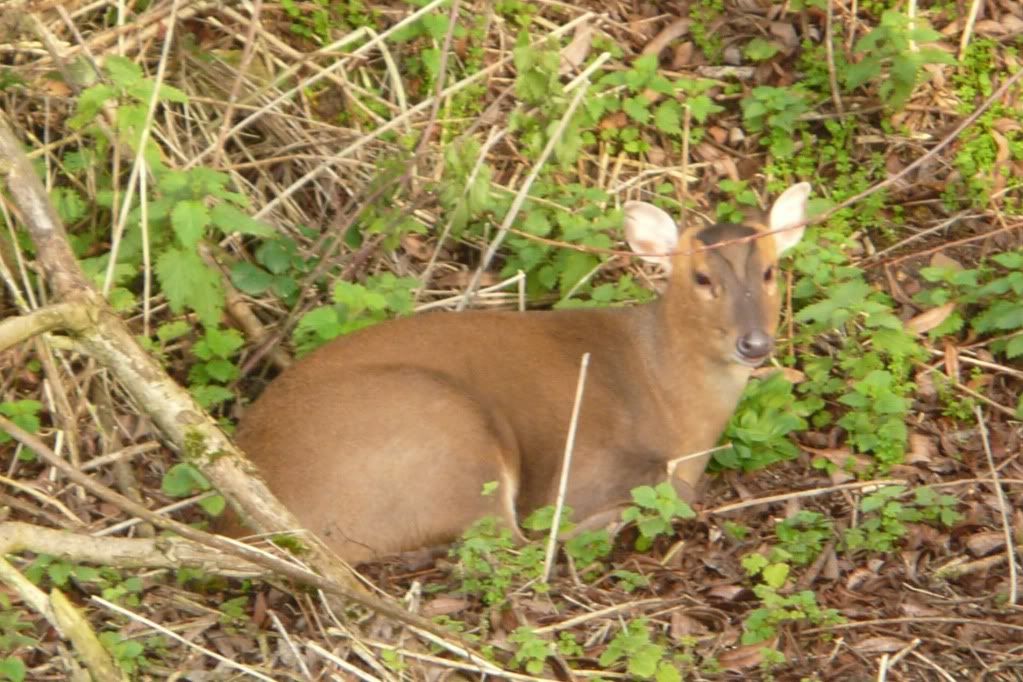
A nonchalant muntjac just lay by the side of the river, seemingly unconcerned with dog walkers and photographers:
.
.
Growing out of the footbridge, turkey tail fungus:
.
.
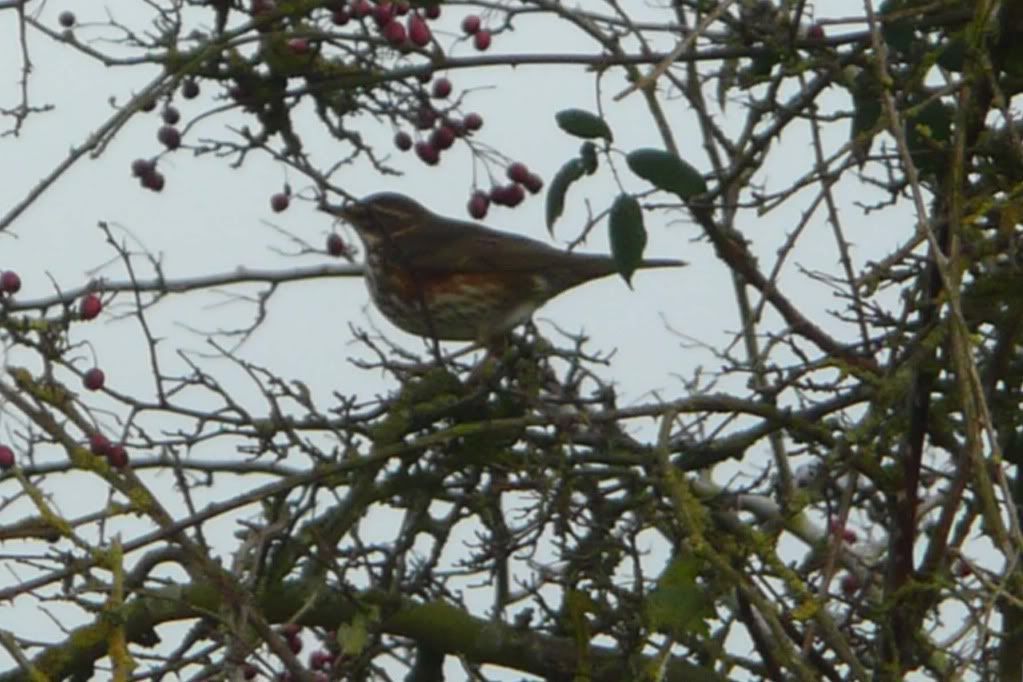
Winter migrant red wings have started to feed off the berries on the over hanging bushes:
.
.
And an opportunity, to see three of the four local raptors out hunting within half an hour of each other:
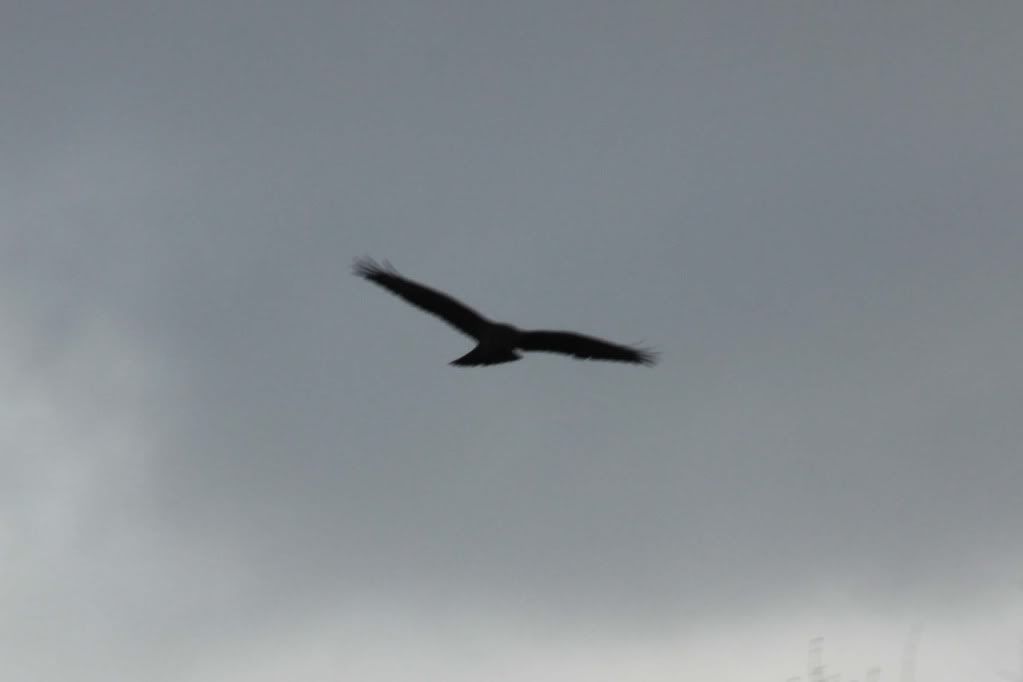
A common buzzard, flying low over the hedges before moving to the field:
.
.
The once extinct in England, but now very common (if slightly fuzzy), red kite:
.
.
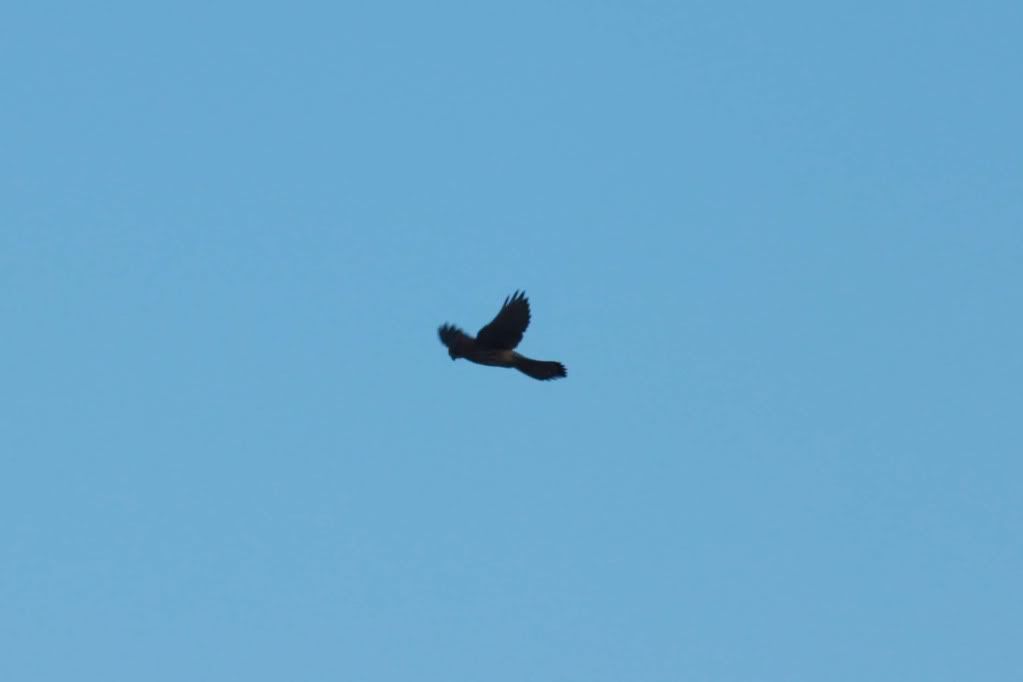
And the once common, but sadly seen less frequently , a kestrel:
.
.
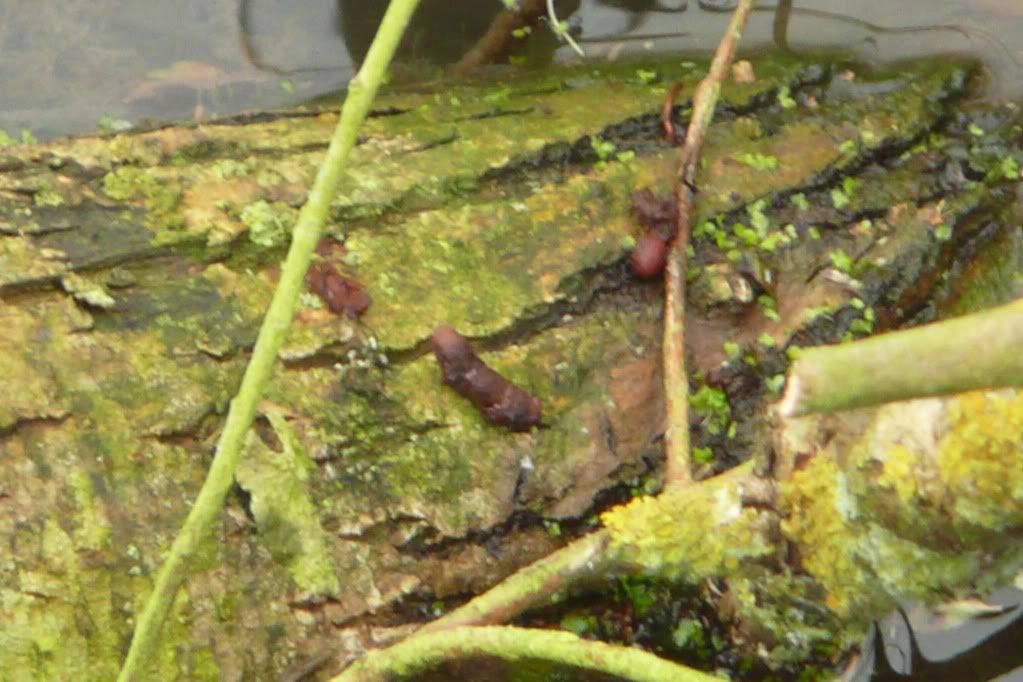
Although no good walk would be complete, without some poo, and this looks distinctly like a water vole latrine:
.
.

Wednesday, 28 September 2011

Return of the Sparrowhawk

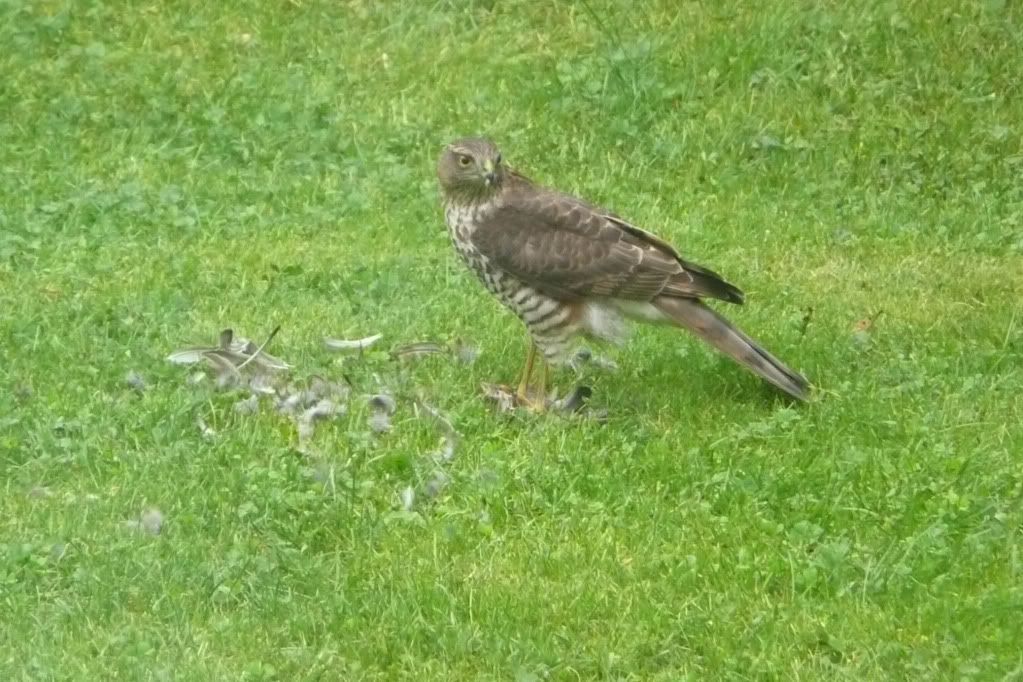
Sparrowhawks are infrequent visitors to our garden, the previous visitor has been an adult male - with a grey back and an orange front.  But this one is different: 
.
.
The brown back and brown front indicate it could be a young male, maybe even raised by the mature male which lasted visited the garden back in October last year (http://viewsoftheock.blogspot.com/2010/10/birds-of-prey.html).
.
.
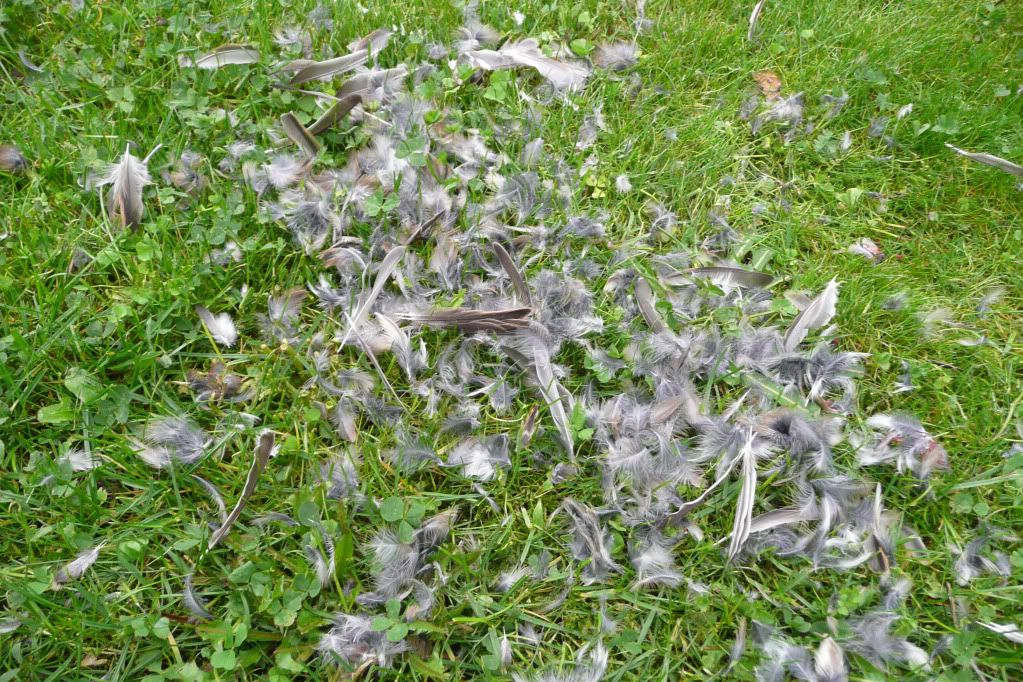
Judging the pile of feathers, it seems to have successfully mastered the skill of  hunting and from the remains, it seems it's victim is a house sparrow or a dunnock.
What is interesting is the complete lack of bones and internal organs, just feathers - the sparrowhawk had consumed it all.
.
.
What is also surprising was nonchalant it appeared, occasionally looking up as it devoured it's unfortunate victim for several minutes and then giving a glimpse of some seldom seen behaviour before leaving:
.

Sunday, 12 June 2011

Annoying insects?

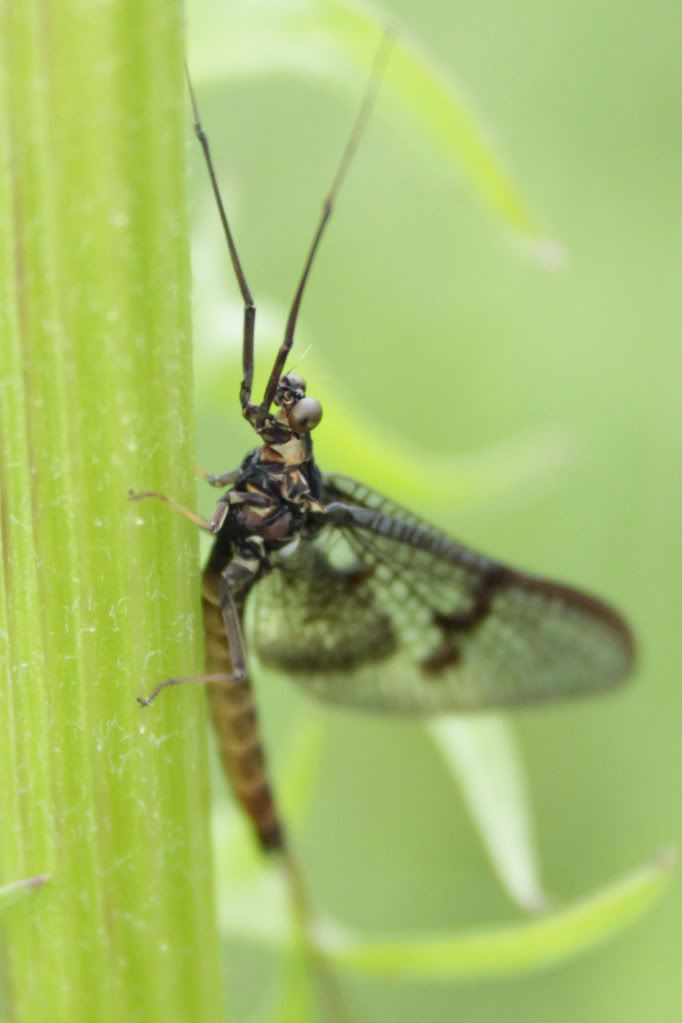
Mayfly have featured in this blog several times, having spent over a year as larvae, eating algae those that have survived being eaten by fish, crayfish and dragonfly larvae emerge from the river in late spring and become adults.  With no mouth or stomach closeup they appear almost alien.
.
.
The e lucky one ones will live for a day during which they will attract a mate, reproduce, lay eggs and die:
Whilst, the unlucky ones just become part of the food chain. Having survived them as nymphs, adult mayfly are a target for adult dragonflies and damselflies, who find the males easy prey as they bounce up and down in the air trying to attract a mate.
.
.
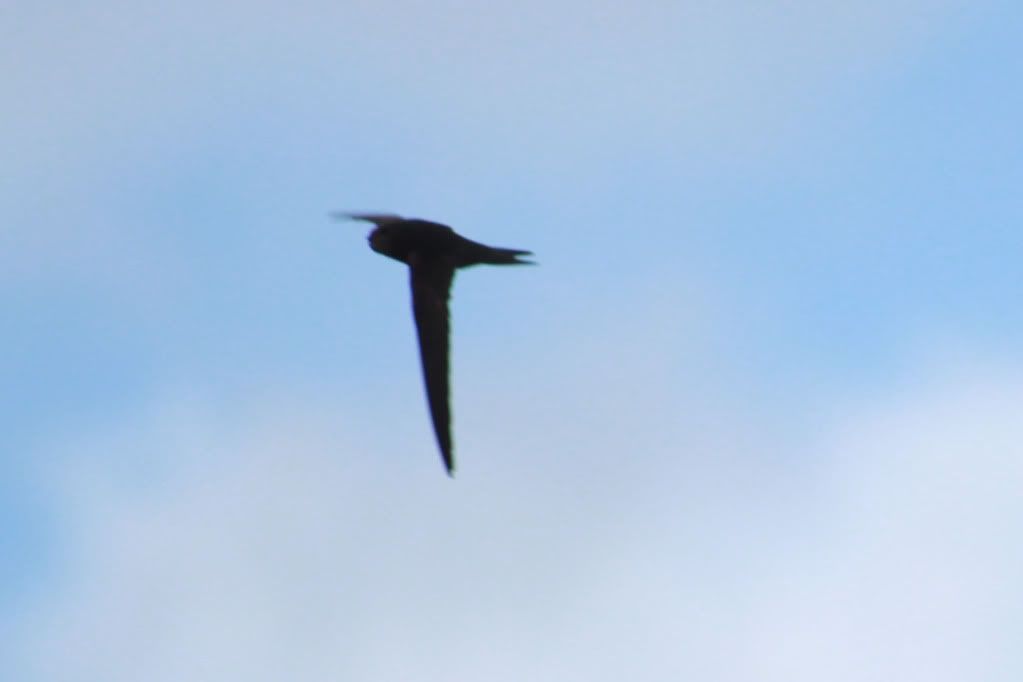
These along, with the mayfly are prey for swifts who have returned to Abingdon after spending the winter in Africa to raise their young. Darting above the river at high speed, making the most of this abundance of winged insects (making them rather tricky to photograph).
.
.
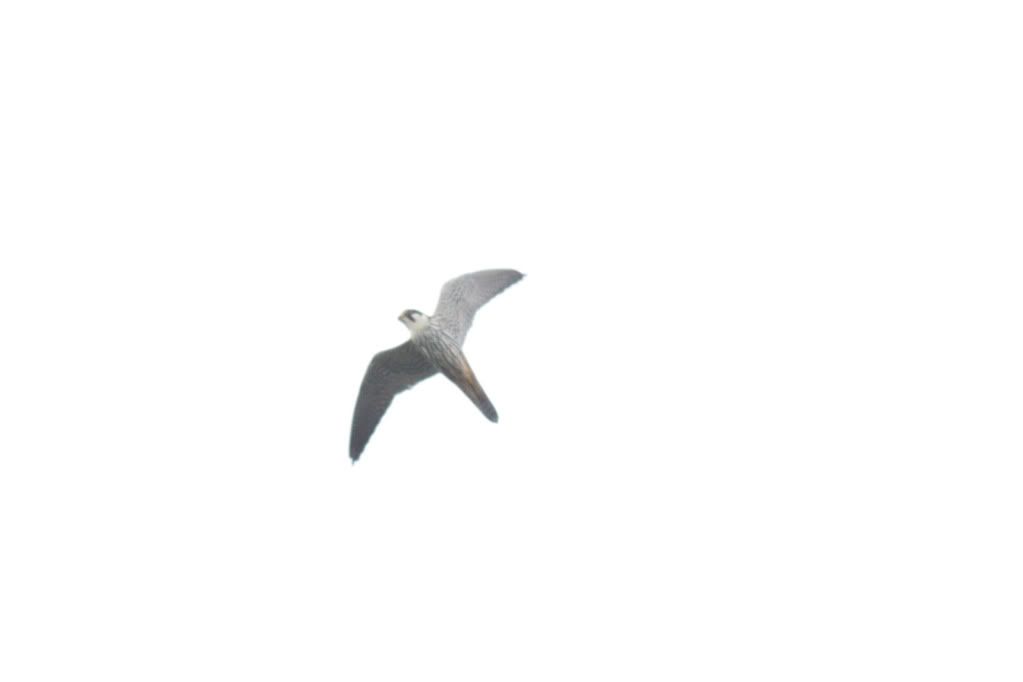
The swifts - along with the damselflies, dragonflies and the unfortunate mayfly - are in turn prey to a small bird the size of the kestrel with the flying pattern of a swift; these are hobbies that have also returned from Africa and on occasions can be seen darting above the Ock:.
.
.
Although when swarming in large numbers they can be an annoyance on a early summer walk, the mayfly in their larval and adult forms are probably one of the most important creatures on the river and without them we wouldn't have the dragonflies, birds, fish and otters that make the Ock such an enjoyable place to walk.

Wednesday, 4 May 2011

Low flying vultures!!

There are not many places in the English countryside where you have to duck to avoid being hit in the head by a low flying vulture, but Andover in Hampshire is just such a place, as it is home to the Hawk Conservancy Trust and is a very entertaining place to visit on a long bank holiday weekend.
During the summer they have three flying demonstrations, including 'Valley of the Eagles', which includes a low flying display by a flock of hooded vultures:
.
.
Through using these displays the trust is bringing attention to the huge worldwide decline in vultures, especially the Oriental White Backed Vulture that has suffered a 97% population decline since the 1990's due to the anti-worming drug diclofenac making cattle corpses toxic.
At another flying display there was a chance to see barn owls up close, a bird I have only managed to glimpse on the north Norfolk coast and at Otmoor.  
British birds of prey are also suffering, mostly due to habitat loss and as well as nurturing damaged and sick birds, they have a fund-a-bird scheme, with the view to increase the number of artificial nesting boxes.
.
.
The star of the 'Woodland Owls and Hawks'  was Nigel, the white faced scops owl:
.
.
The trust is certainly providing an entertaining and educational day as well as assisting in reducing the world wide decline in birds of prey,  but there is also a somewhat melancholic sight, to see what is probably Britain's most magnificent bird - the white tailed sea eagle - in an enclosure.
.

Wednesday, 20 April 2011

More signs of spring

With temperatures reaching 25 degrees and rainfall becoming a distant memory, it seems spring is turning into an early summer (although with a long holiday approaching, that is almost certainly going to change).
Alongside the Thames, the warblers have returned from their winter migration to Africa and are now in full song, including this blackcap lurking in a willow tree, it seems to have a browner cap, which could make it a female:
.
.
Blackcaps aren't the only warbler, unfortunately a lot of them look the same, but at a guess this may be a willow warbler:
.
.
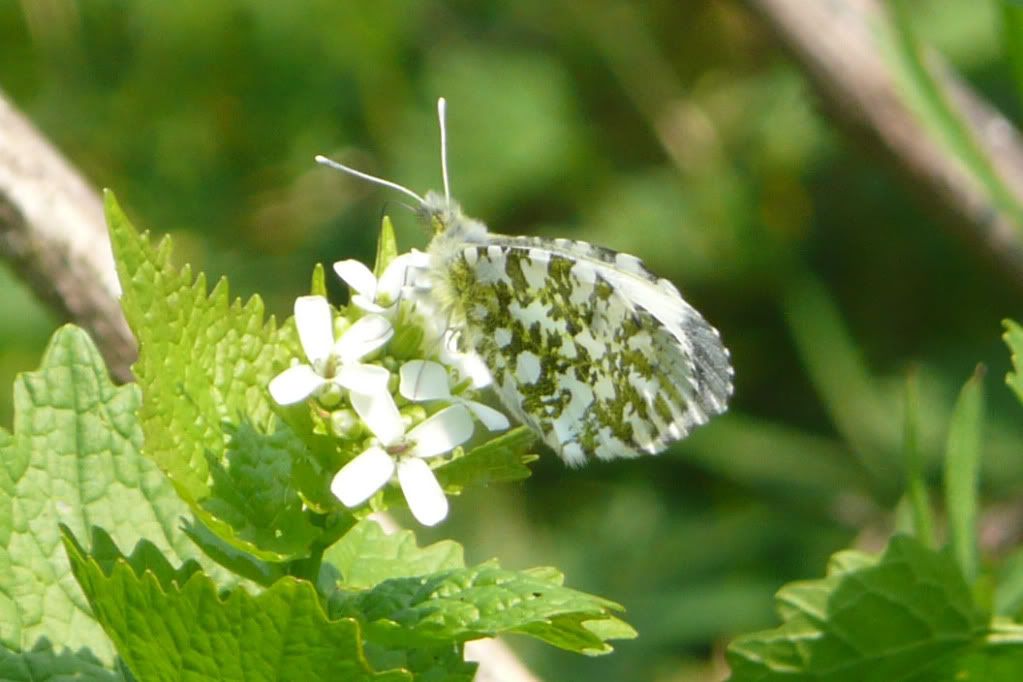
As mentioned in a previous spring post, the orange tips are in full flight and taking a photograph of a male is very hard as never seem to settle.  Unlike the females whilst they do settle are harder to identify - as they don't have orange tips:
.
.
Butterflies aren't the only insect to emerge from hibernation, this queen buff tailed bumblebee is seeking out a nest site:
.
.
And whilst red kites can now be seen all year round (it was only a few years ago when they couldn't be seen at all) the bare leaves of spring mean they too can be viewed seeking out nest sites, like this one on the Ock Valley Walk:
.

Saturday, 30 October 2010

Birds of Prey

Birds of prey have had an impressive recovery in recent years and are an example of how our attitudes to wildife and the environment has changed.
I saw my first buzzard in cornwall and now they are nesting near the Ock and kestrels can frequently be seen hunting over the meadows. In the past week I have had close encounters with two others:
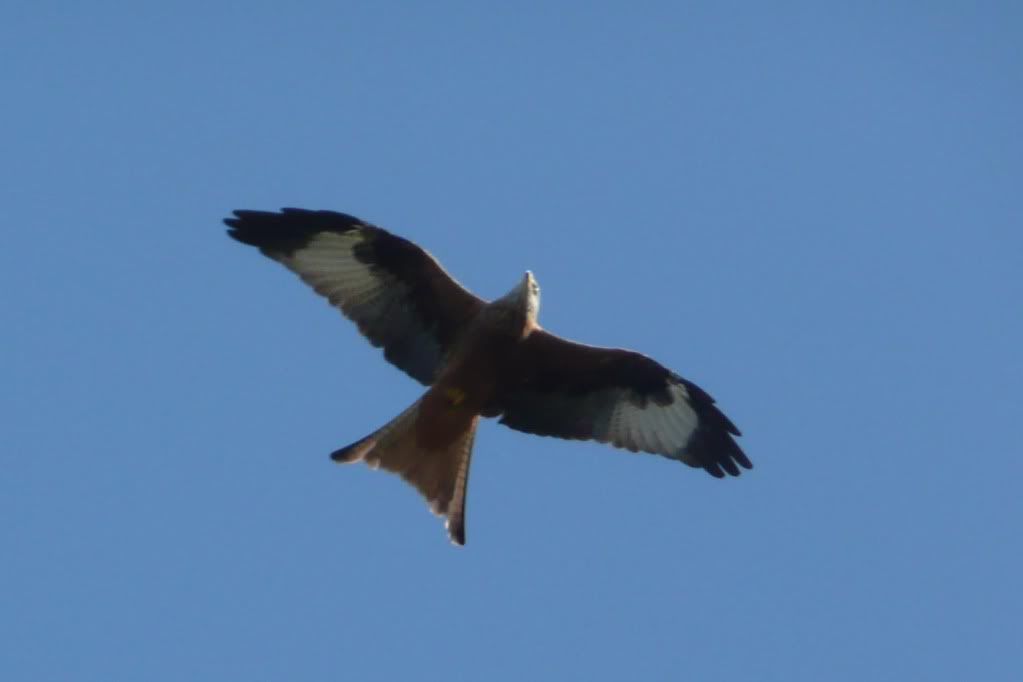
Having been hunted to almost extinction in England at the end of the 19th Centuary, Red Kites are now a common site over Abingdon. In fact most days will guarrante at least one sighting.  This is due to a very successful release program in the Chilterns back in the 1980's.  The one pictured below was seen over Radley Lakes, where the combination of good reflective light and low flying bird presented an ideal opportunity for a picture.


.
The other bird of prey encountered this week was a male sparrowhawk in the garden.  Obviously attracted to the increasing numbers of grain feeding birds like sparrows, goldfinches and dunnocks that are using the bird feeders in the garden.
Unlike red kites, the decline in the sparrowhawks is not attributed to hunting, but pesticide use in the 1950's which was being consumed by their prey.   These had the effect of making the egg shells too thin, hence not enough birds hatched.
The population only recovered when these were banned in the 1970's.  Unlike the red kites, there has not been reintroduction of sparrowhawks, instead the 40,000 breeding pairs have recovered naturally as the pesticides have slowly declined in the environment.
This picture is slightly blurred as it was taken through a window.
.
.
Despite the recovery in Birds of Prey and their legal protection, they are still suffer from persecution: http://www.rspb.org.uk/ourwork/policy/wildbirdslaw/wildbirdcrime/birdsofprey.aspx


References:
Red Kites: http://www.redkites.co.uk/
RSPB Handbook of British Birds
Birds of Britain: http://www.birdsofbritain.co.uk/bird-guide/sparrowhawk.asp

Thursday, 9 September 2010

Random Stuff

Sorting out the 4Gb of pictures that were still on the memory card of my camera - most were rubbish; some have been posted before; some are irrelevant (a picture of Fairlop tube station !?!) and some are interesting, but did not seem to relate to any particular subject or were part of an ill fated post that was never completed.
These have been collated into a kind of miscellaneous post:
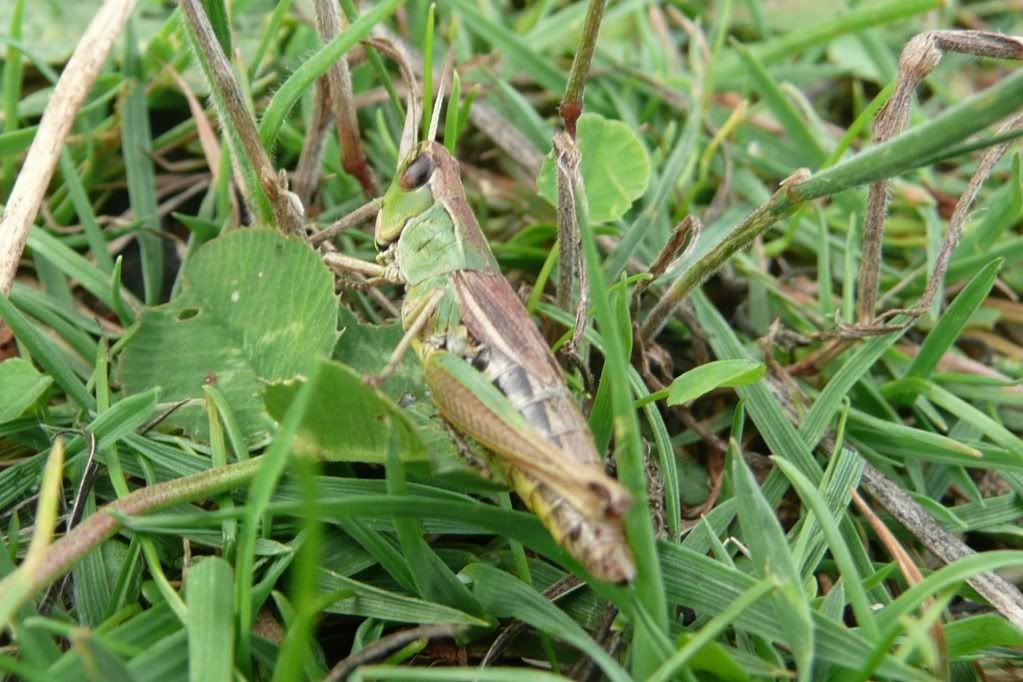
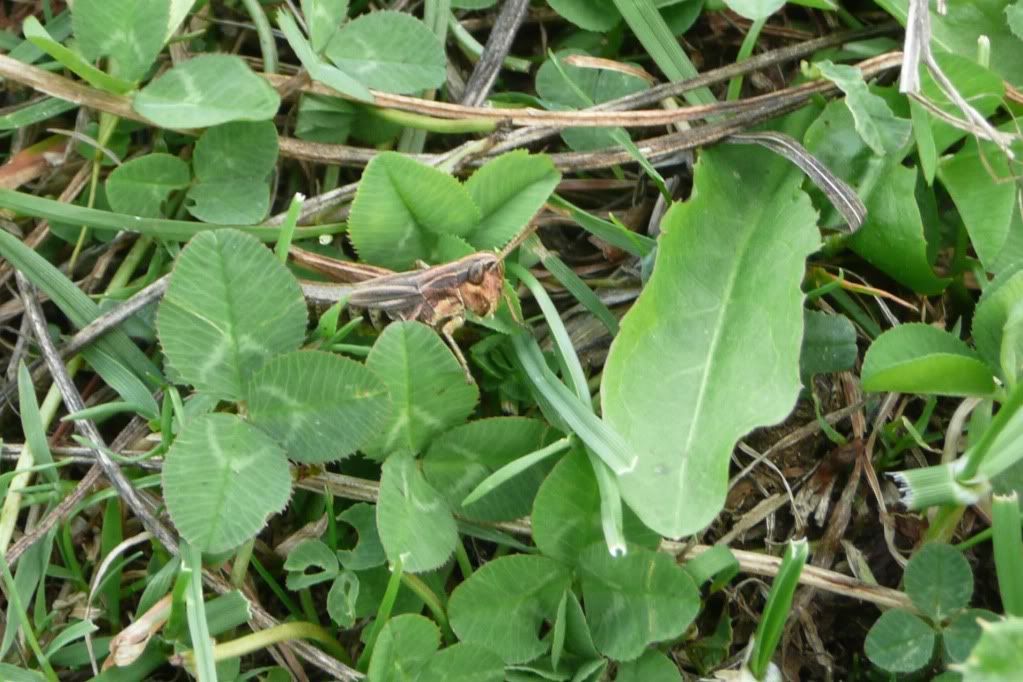
Grasshoppers: Despite their difference colours, these two are possibly 'common green grasshoppers', which aren't always green, they can also be grey or brown. Seen in the Ock meadows in August.
.
.
.
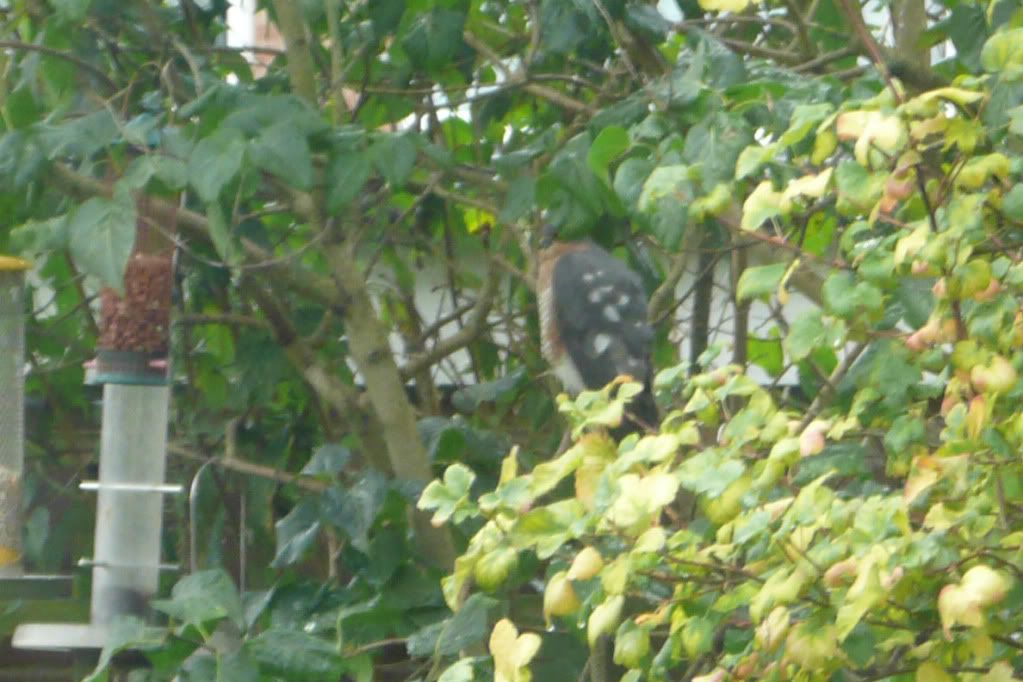
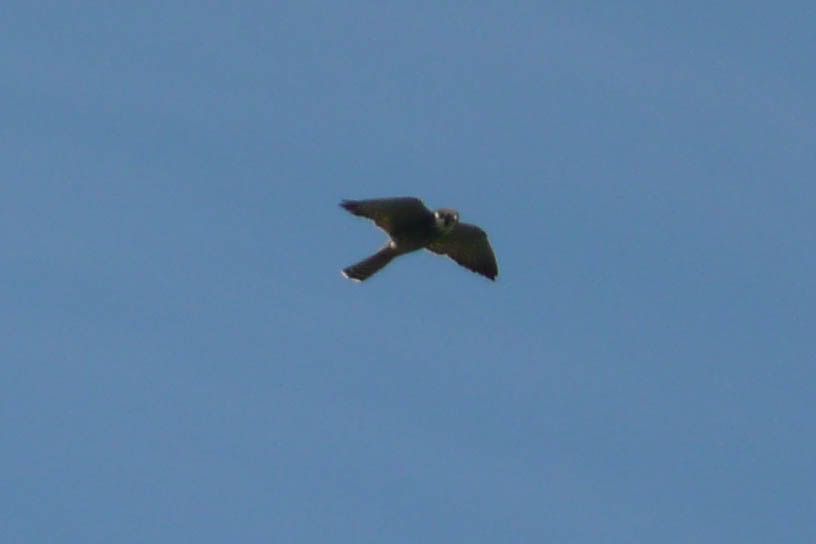
Radley Brook: Whilst waiting for the previously mentioned water vole to make an appearance (or not as the case may be), there are plenty of other things to see, including a sparrowhawk.  One of the four birds of prey that can seen in the area (buzzard, red kite and kestrel being the others, it is an objective of this blog to get decent pictures of all of them).
.
.
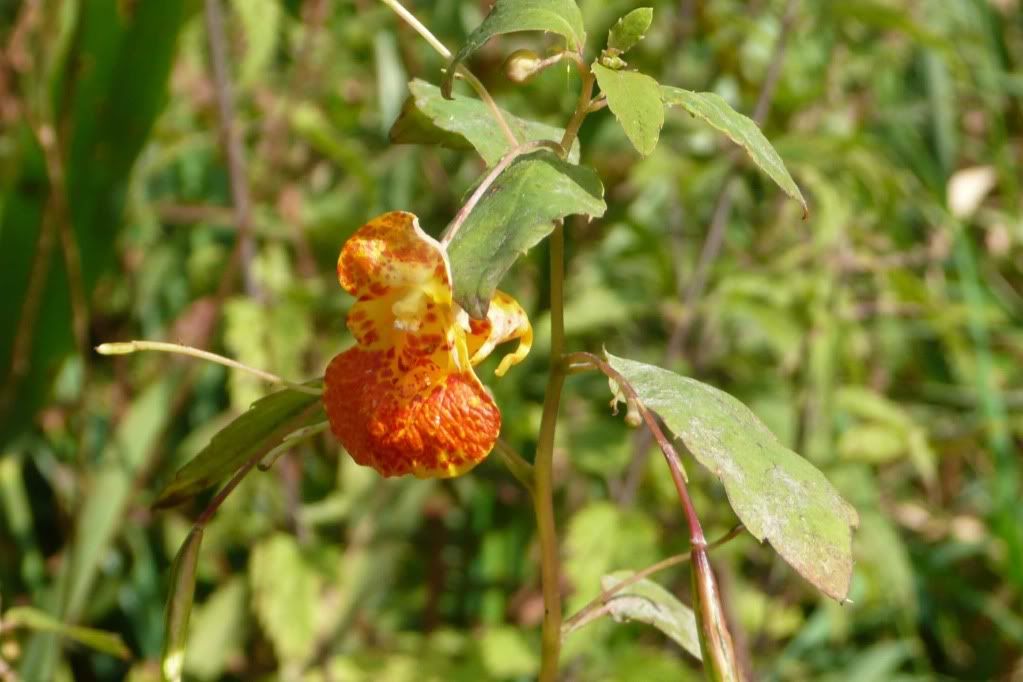
Orange Balsam, is a relative to the dreaded to himalayan balsam and is also an introduced plant that has escaped into the wild.  But unlike it's relative it is not as invasive and is rather attractive:
.
.
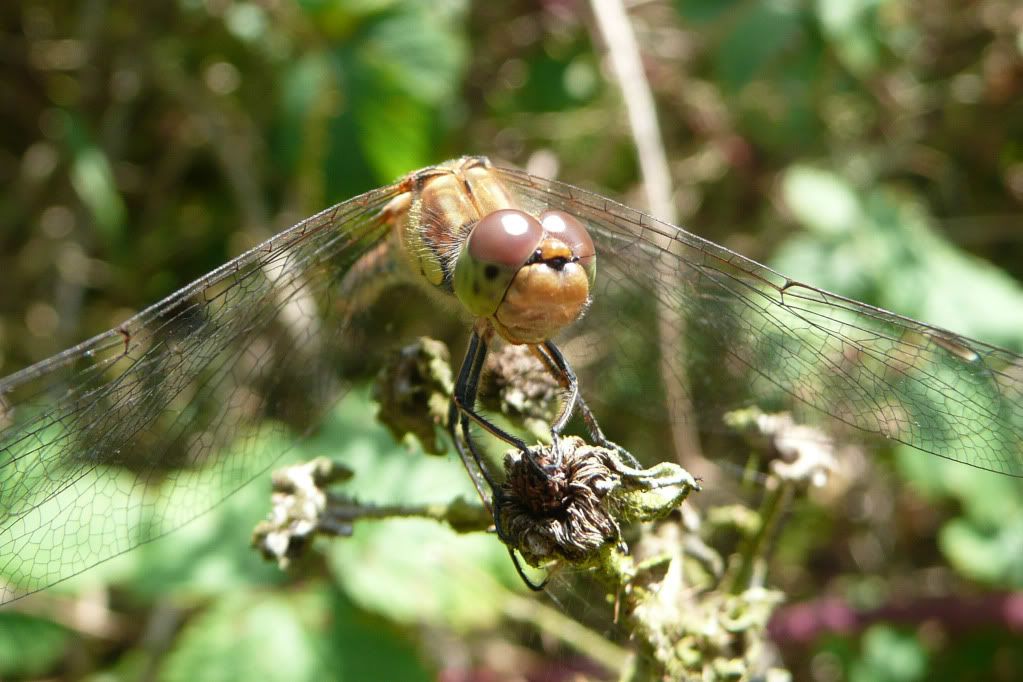
Dragonfly: A photograph of this particular dragonfly has appeared elsewhere in this blog, but in retrospect, I prefer this picture:
.
.
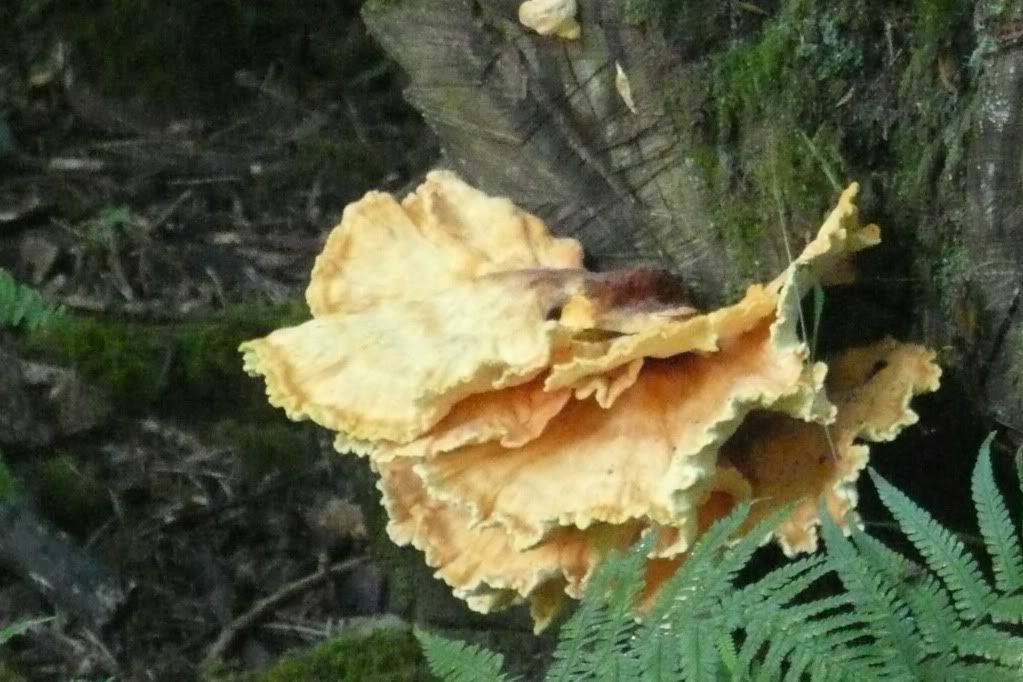
Wytham Woods: This rather impressive bracket fungus (with less impressive camera focus) in Wytham Woods near Oxford:
.
.
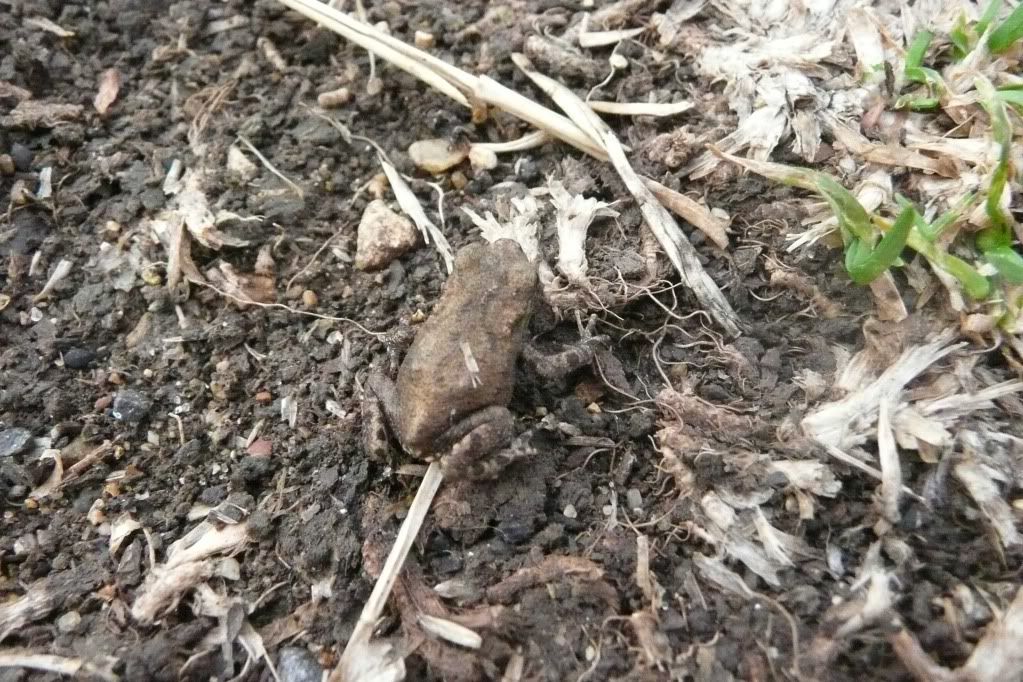
A small toad, also seen in Wytham Woods:
.
.
Managed by the University of Oxford Wildlife Conservation Unit, it has been intention to write a blog post about this fascinating place for a while. But like Sandford Brook, the Cothill Fens and the rivers Stert and Thames, it will have to remain on the list of posts that never seem to get written....