Showing posts with label butterflies. Show all posts

Sunday, 20 July 2014

Views of the Buddleia

Buddleias are popular plants - they don't require any maintenance and quickly fill a gap in the garden with impressive and attractive flowers.
They are also a haven for butterflies and the one in our back garden has proved popular in the recent hot weather:
.
The most distinctive is the peacock with up to six visiting at the same time:
.
.
Another distinctive visitor is the red admiral:
.
.
The small tortoiseshell is also keen on the buddleia and it is easy to avoid confusion with the similar looking large tortoiseshell as the latter is considered to be extinct in the British Isles.
.
Although not all butterflies are easily identifiable, this battered butterfly is also probably a small tortoiseshell.
.
.
Whilst most butterflies visiting the buddleia are distinctive, some aren't including this appropriately named meadow brown:
.
 .
Identification with the aid of the Pocket Guide to Butterflies of Great Britain & Irelead:
http://www.britishwildlife.com/viewbook.asp?bookid=4


Sunday, 10 April 2011

Signs of Spring

With temperatures reaching 20 degrees, spring has definitely sprung and it is evident in north east Abingdon by the Thames (although the water voles in Radley Brook are currently evasive, assuming they are still there).
Blossom has formed on the Hawthorn and Blackthorn alongside the Thames Path
.


Butterflies are aplenty with many male orange tips patrolling their territory, but they never seem to settle as are seeking out receptive females, making them almost impossible to photograph.  
Unlike the peacock butterflies who, when settled, try and disguise themselves by keeping their wings closed, showing their dark underside:
.
.
If that fails, they can open their wings to show their distinctive eye shaped markings to try and frighten any predators.
.
.
Other butterflies include the speckled wood, which have spent winter as either a caterpillar or chrysalis.  The one pictured below is probably a male, basking in the spring sun to maintain a consistent body temperature.
.
.
The coma butterfly has the distinctly shaped wings, which when folded look like leaves.  Having hibernated over winter in their adult form, they are looking to mate. Having paired, the adults lay their eggs and die shortly afterwards.
For those interested in british butterflies I recommend the excellent 'Butterflies of Britain & Ireland' by Thomas & Lewington
.
.
Meanwhile in south Abingdon, there are more signs of spring - frogspawn in our pond:
.

Monday, 23 August 2010

Weekend wildlife..

A selection of the 174 pictures taken over the weekend...
.
.
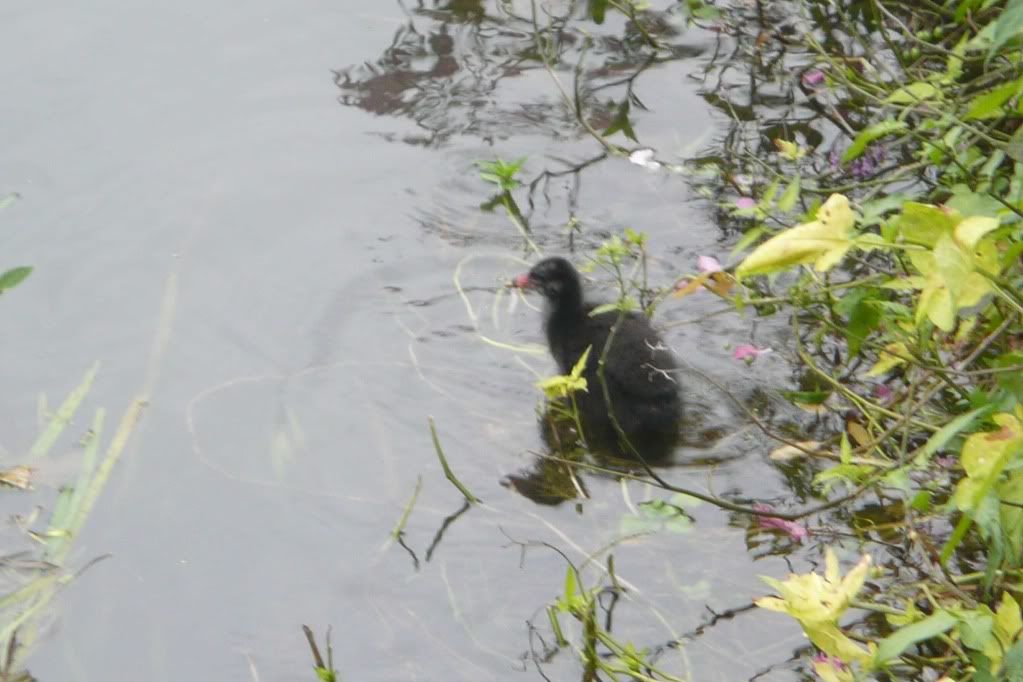
Young moorhen
.
.
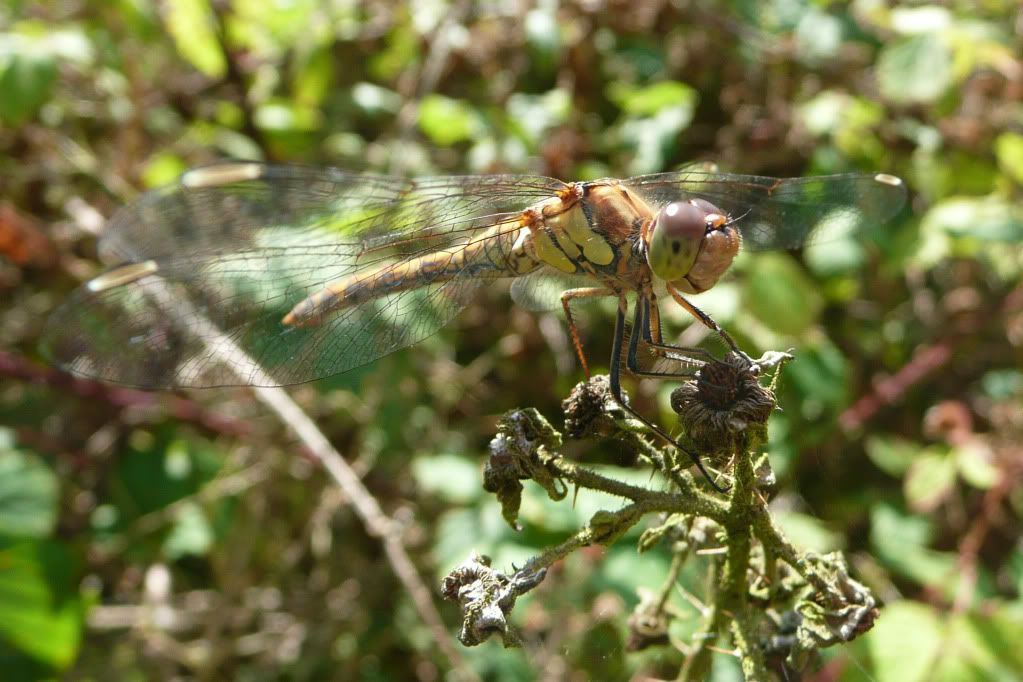
A remarkably still dragonfly (accounting for a large proportion of the weekend picture tally)
.
.
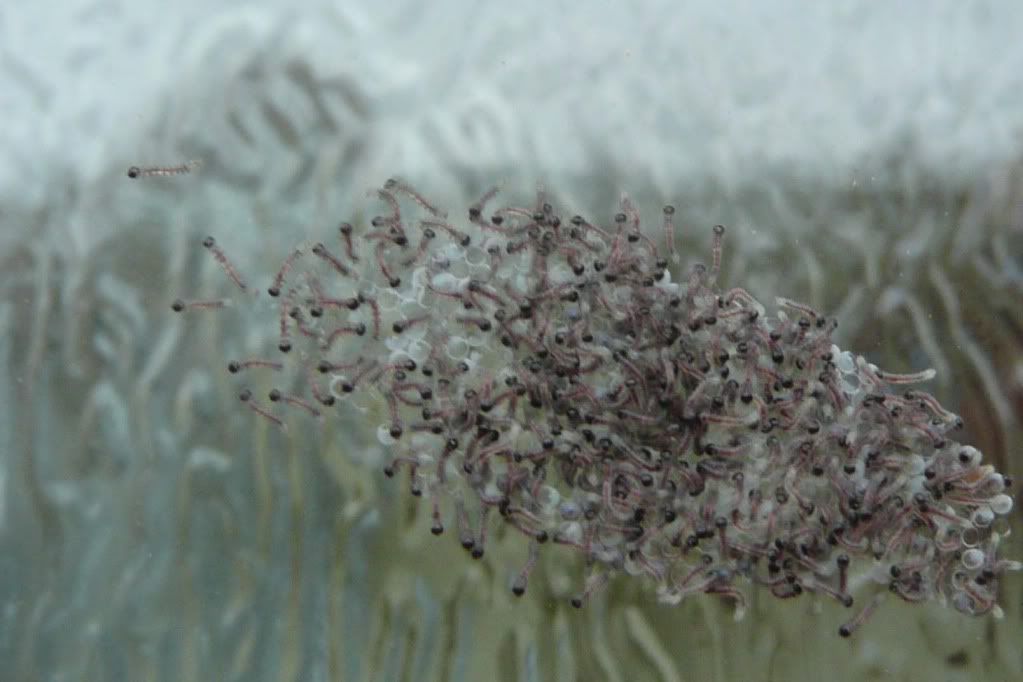
Recently hatched insect larvae on a window
.
.
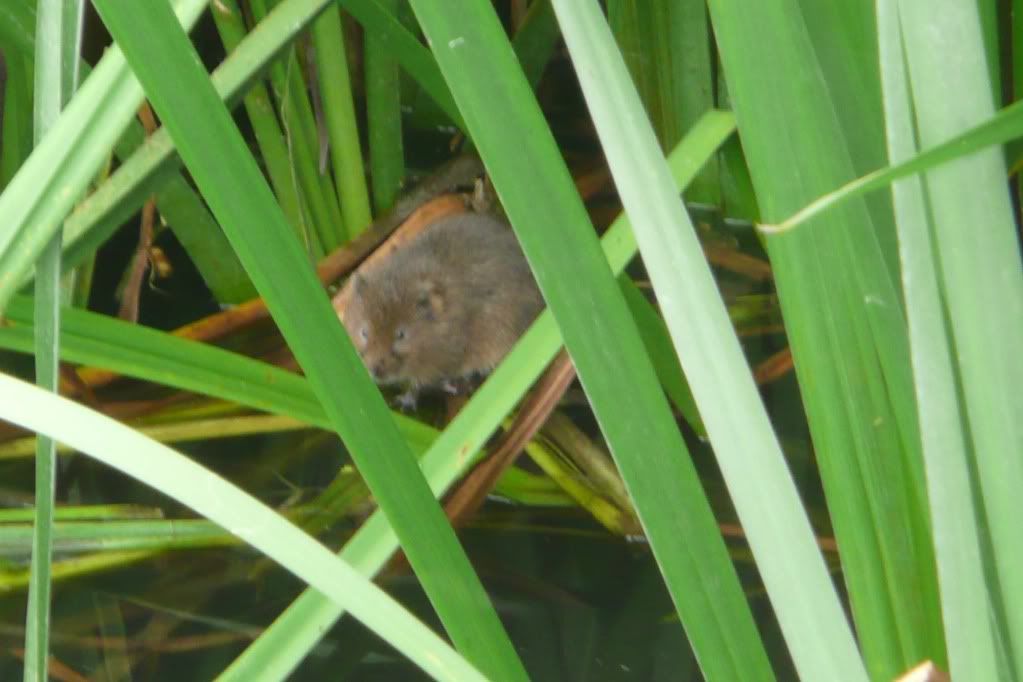
Obligatory water vole.
.

Sunday, 4 July 2010

Moths, butterflies & other insects


The warm weather has provided an ideal opportunity to seek out some of the insects that inhabit the ock and the flood meadows - some seem almost exotic.
Male banded demoiselles along the river, possibly competing with each for the best spot to attract a female:
.
.
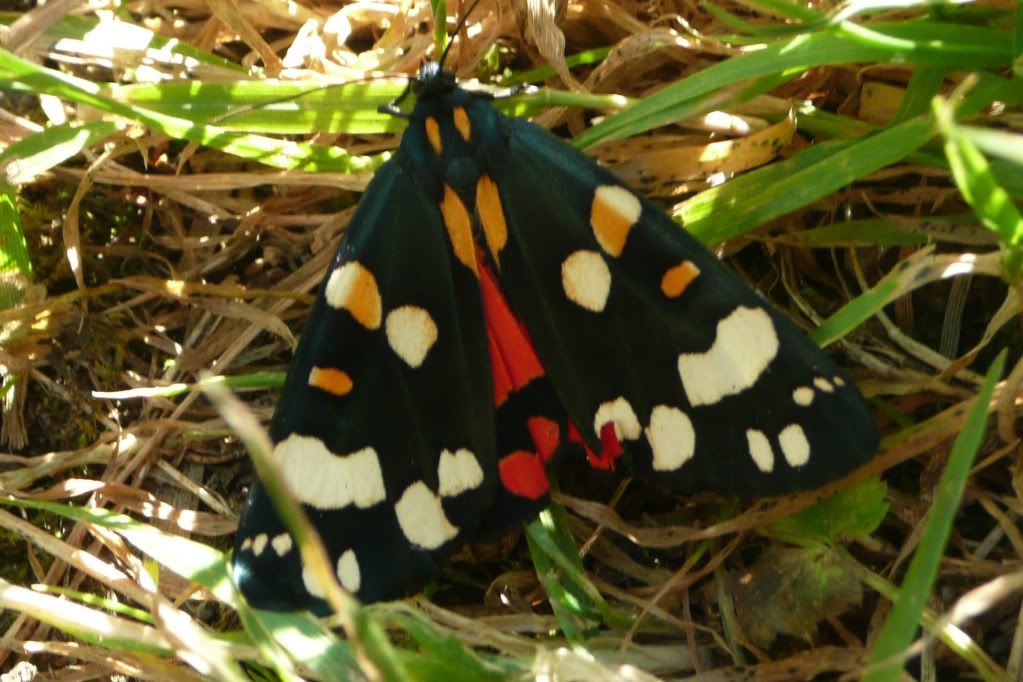
A rather splendid scarlet tiger moth, a locally common to the south of England. A moth that prefers damp habitats and flies during the day.
.
.
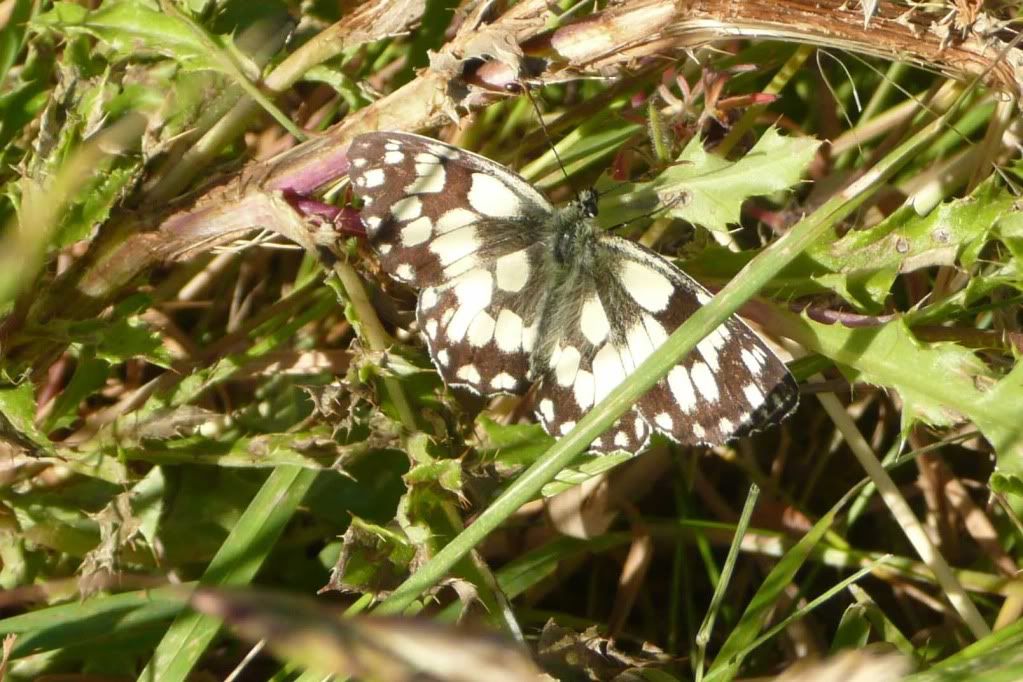
Also locally common is the marbled white butterfly, apparently it favours flower rich meadows, hence several seen flying around the ock meadows:
.
.
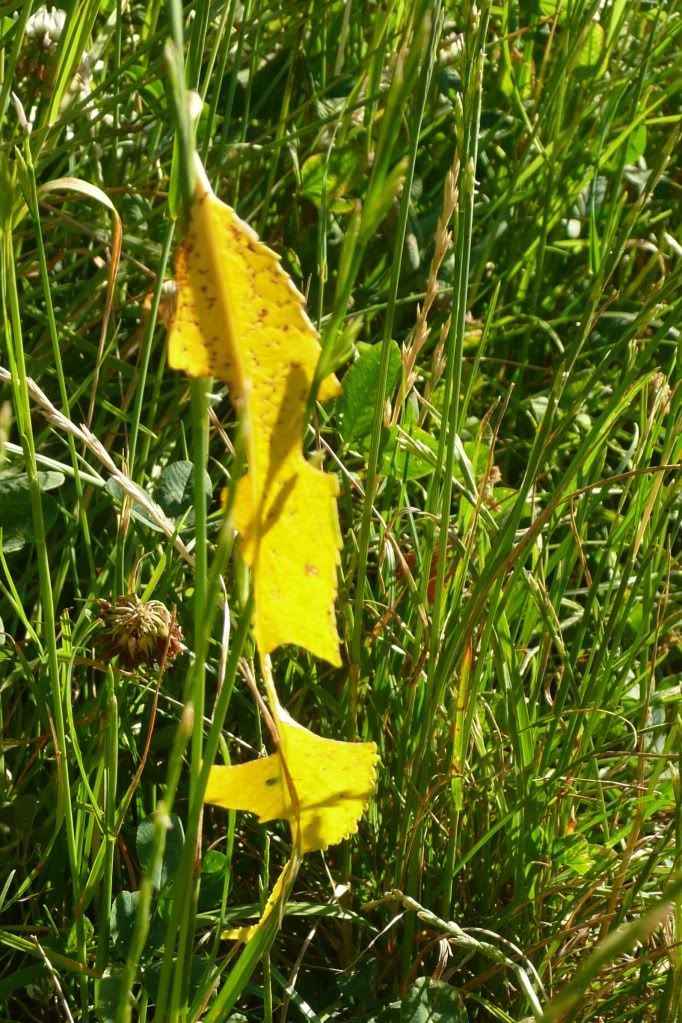
Although no sightings of a leaf cutter bee, one has left evidence in the form of these distinct cuttings in a leaf:
.


Thursday, 25 March 2010

Insects

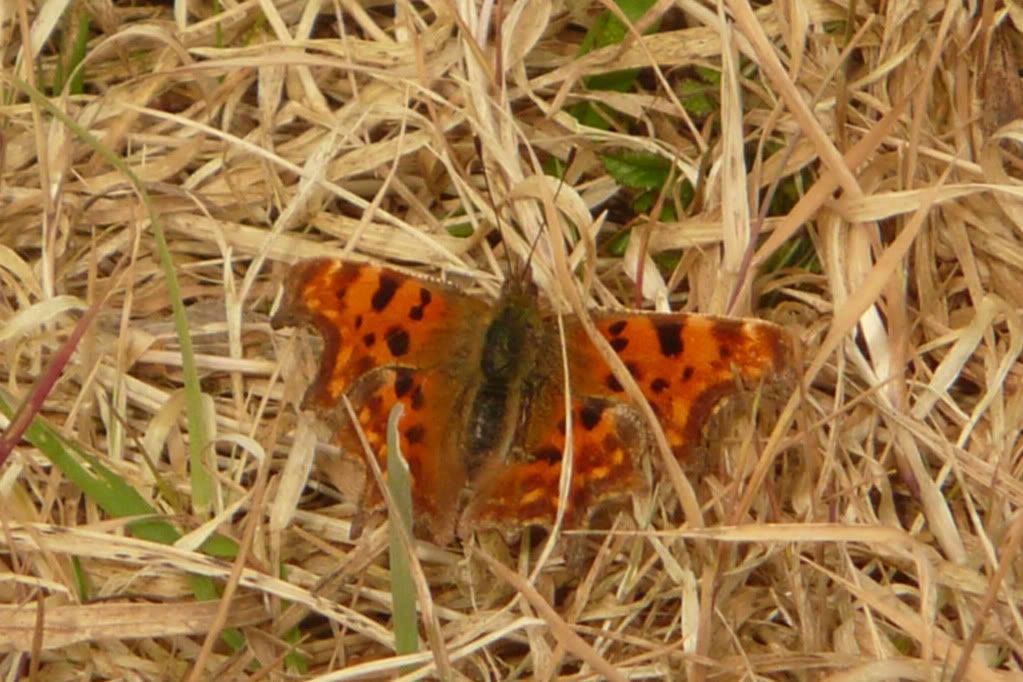
The warmer spring weather over the past couple of weeks has bought out the hibernating insects. This coma butterfly, sunning itself by the Thames last week:
  
  
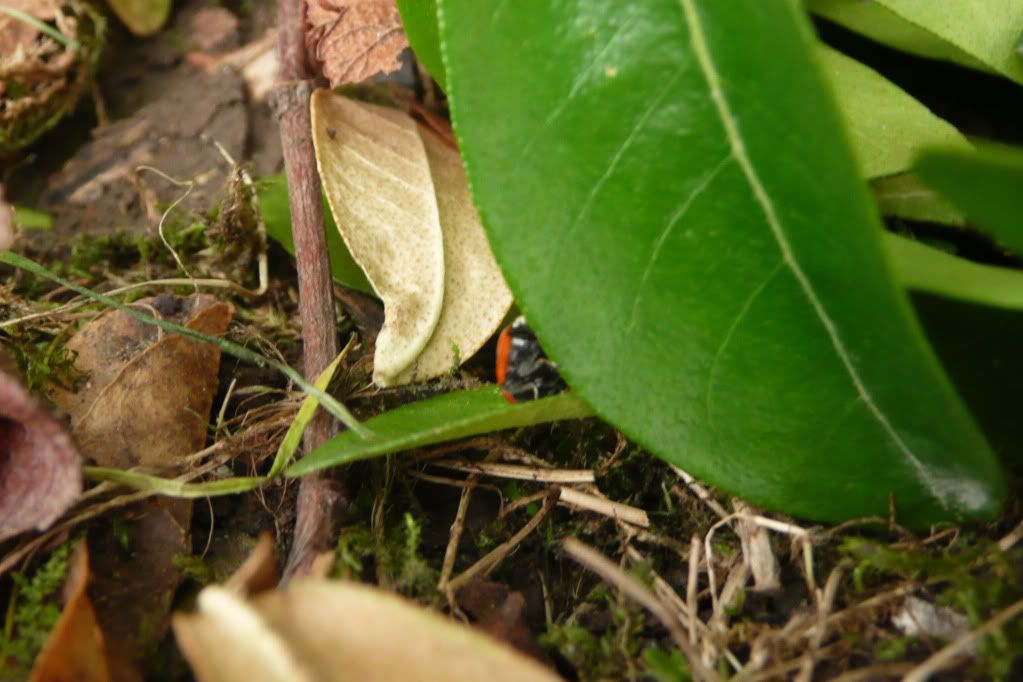
This ladybird was moving around in the garden
   
   
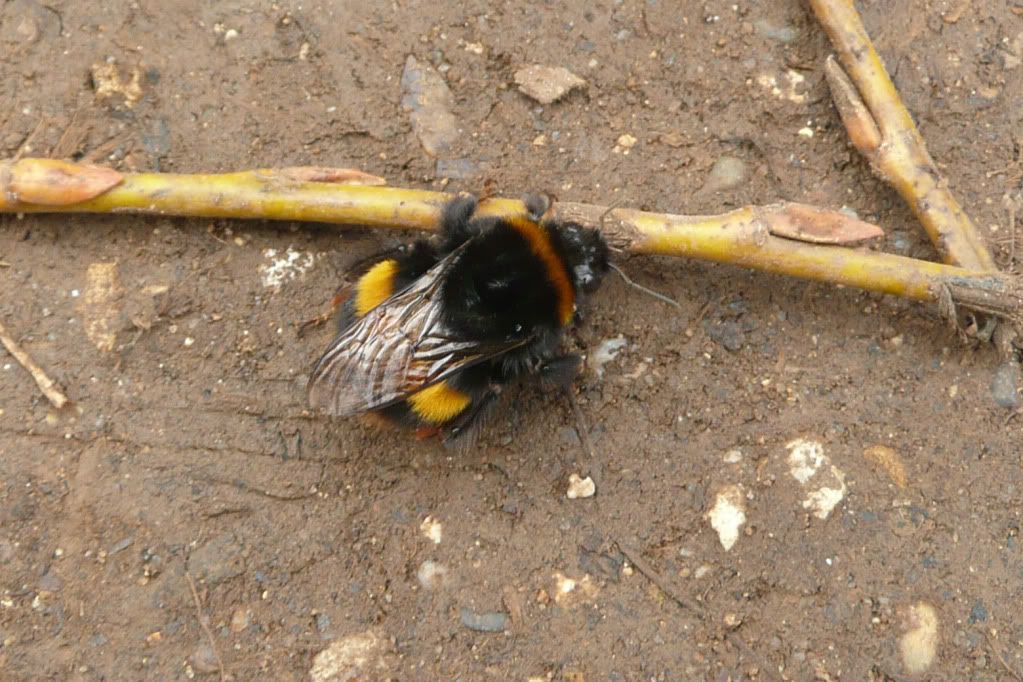
Although this buff tailed bumblebee had not fared to well, movingly slow and probably dieing along the ock valley walk
   
   
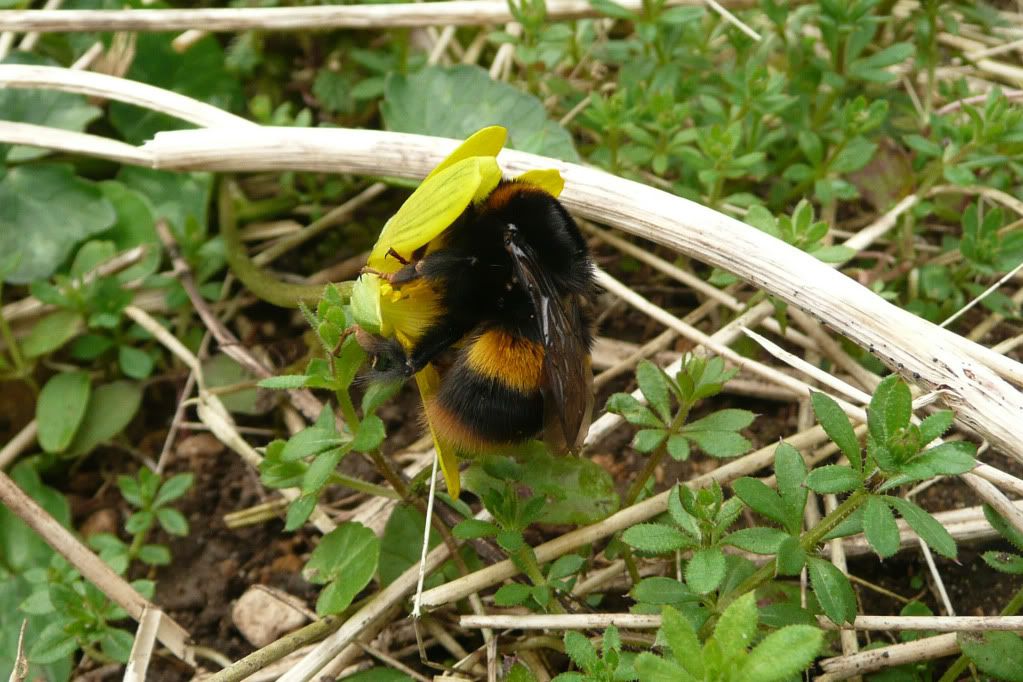
But it did seem grateful to be moved to a nearby flower: