Showing posts with label insects. Show all posts

Saturday, 2 July 2016

Microsculpture

The University of Oxford Natural History Museum (http://www.oum.ox.ac.uk/) is often featured in this blog and it has recently opened a temporary exhibition called Microsculpture, consisting of a series of exquisite photographs of 22 of the museums 5 million specimens from its Hope Entomological collection.

.
Photographer Levon Biss has used a microscope lens to painstakingly take 8000 photographs of different parts of each subject, each with its own lighting arrangements and then combined them to produce these remarkable images, such as this orchid cuckoo bee:
.
.
The exhibition also includes the actual insects, which demonstrates Bliss's remarkable talent in showing the exquisite beauty of these insects.
.

Such as the Jewel longhorn beetle:


.
And he has shown the Mantis Fly can look like something from a science fiction nightmare:
.
.
.
Even the most mundane of British insects, like the blow fly, is shown to be just as magnificent as any of the exotic ones featured in the exhibition.
.
.
The exhibition runs until the 30th October and is highly recommended to anyone in the locality or anyone visiting Oxford.

For those not fortunate enough to be able to visit, the exhibition has it's own website: http://microsculpture.net


Thursday, 24 July 2014

Bee identification

I received the following comment from Becky in a previous post.

Hi. Could you recomend a book or website to get me started on identifying bees. I have lots of visitors to my garden, but not sure what they are. Many thanks. Becky

Whilst some bees are easy to identify - such as the tree bumblebee, with it's brown thorax and white tipped abdomen:
.
.
However, most of the times it is  fraught with difficulties - males and females  of the same species often look completely different and even older worker bees can look different to their younger sisters.

I am not an expert in bee identification, but I though the subject warranted a post in it's own right.

Bumblebes
For bumblebees, the first point of call is this excellent identification chart from the Bumblebee Conservation Trust, it has large, clear pictures with text  and showing queens, workers and is available on-line as a PDF: http://bumblebeeconservation.org/images/uploads/Resources/BBCT_Bumblebee_ID_sheet_(big_8).pdf


(C) Bumblebee Conservation Trust

A more detailed guide is The Field Guide to Bumblebees of Great Britain and Ireland by Martin Edwards and Martin Jenner: 

http://www.waterstones.com/waterstonesweb/products/michael+chinery/british+insects/6440438/

It contains a very good identification guide where different abdomens and thorax can be matched together.
It's main drawback is that it doesn't use common names, so whilst it can be used to identify Bombus Terrestris, it takes an internet search to find out it is a buff tailed bumblebee.
Solitary Bees Whilst bumblebee identification is hard enough, trying to identify the any of the 200 solitary bees found in the UK is even harder.

The most common are found in the informative Collins guide to British Insects:


http://www.amazon.com/Complete-British-Guides-Collins-Photographic/dp/0007298994/ref=sr_1_3?ie=UTF8&qid=1403810338&sr=8-3&keywords=collins+guide+to+insects

Another source of information is the the excellent Guide to Garden Wildlife, by the local artist Richard Lewington (http://www.richardlewington.co.uk/) which features drawings rather than photographs, making identification somewhat easier.


http://www.britishwildlife.com/viewbook.asp?bookid=2


Internet:

The internet is a great source of identification and the forums on Wild About Britain (http://www.wildaboutbritain.co.uk/forums/) are always a friendly place to ask for identification.
And the bumblebee conservation trust has launched Bee Watch: http://homepages.abdn.ac.uk/wpn003/beewatch/index.php?r=user/auth

Apps:

Apps are now replacing books on as field guides and the art work of Richard Lewington can be found on Nature Guides Bumblebees of Britain and Ireland, as of yet, it is only available on iOS:

https://itunes.apple.com/gb/app/bumblebees-britain-ireland/id657077156?mt=8


Hopefully Becky, you've found this useful

Wednesday, 3 August 2011

In search of sundew.

Whilst most plants gain their nutrients from the soil via their roots, others have have evolved to obtain theirs from other sources -  consuming insects.
Such insectivorous plants are the staple of wildlife documentaries,  so it somewhat of a surprise to find they can be found only of couple of miles from Abingdon. 
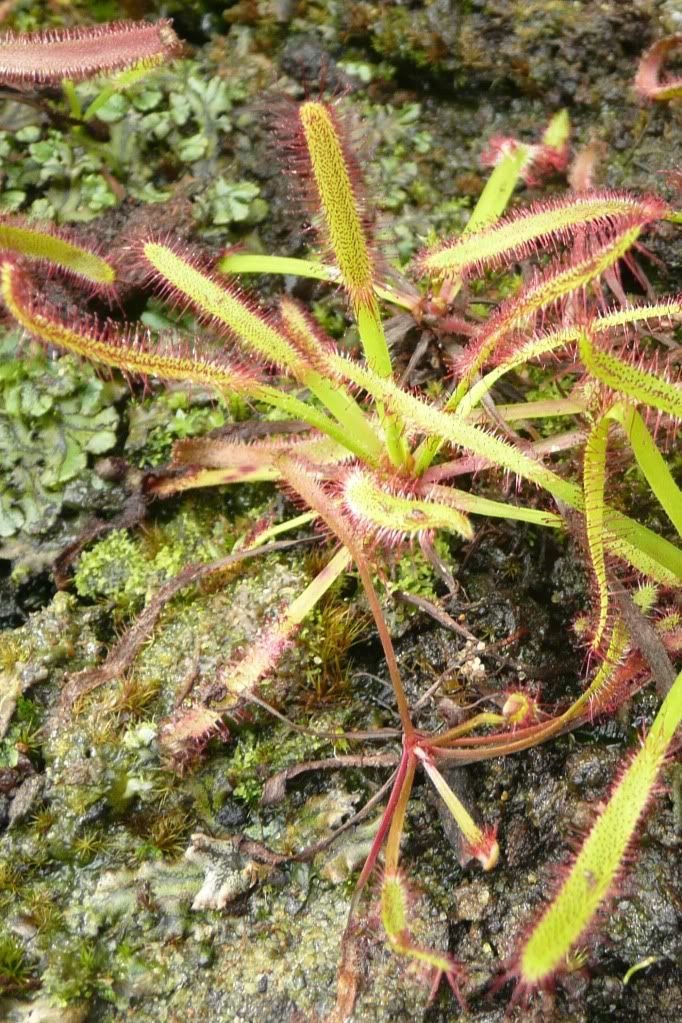
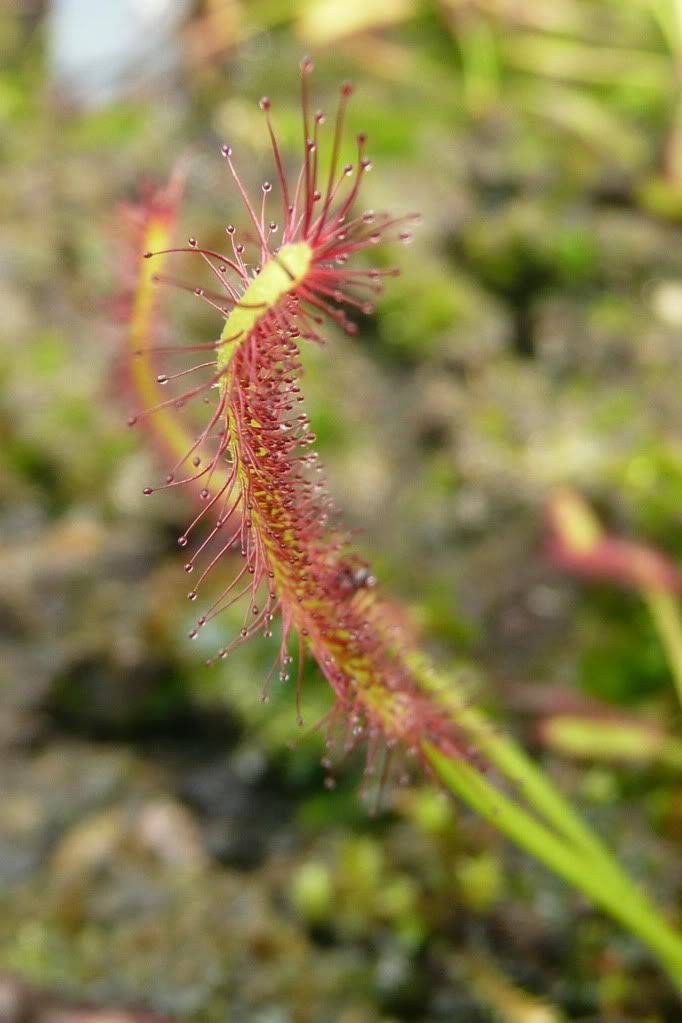
Growing in the fen at Parsonage Moor nature reserve is sundew.  A fascinating plant that secretes a glue from tentacles on it's leaves, which intices insects (which are fooled into thinking it is nectar) but instead of feeding, the unfortunate insect is stuck to the leaves, which slowly fold in as the insect is digested.
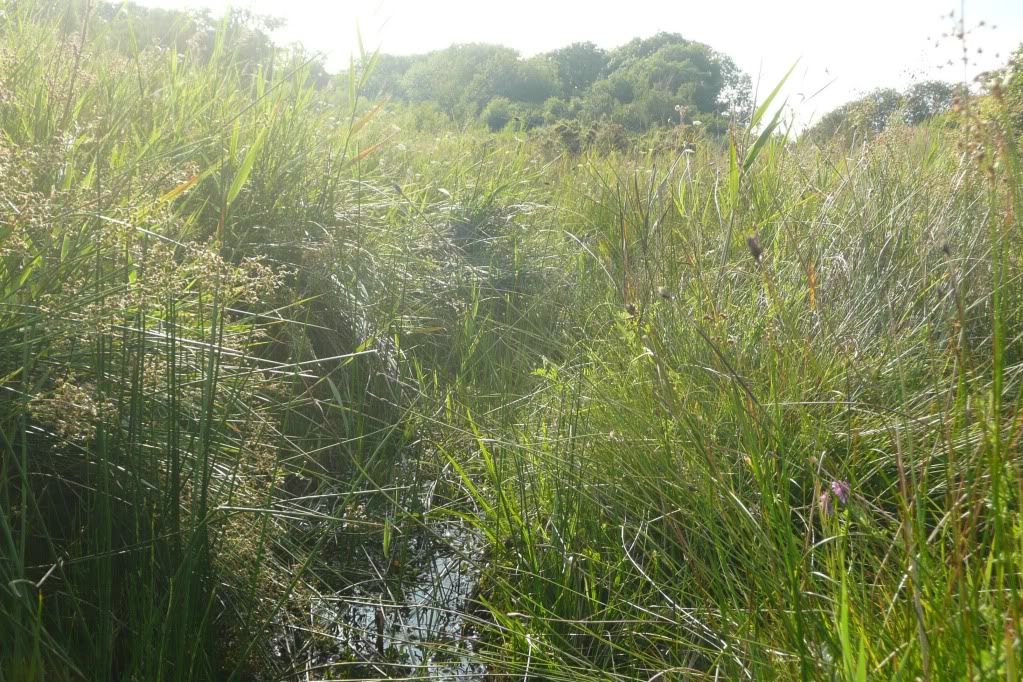
Parsonage Moor is part of the Cothill Fens network of nature reserves which are fed by  a series of springs, these feed into the Ock via Sandford Brook.  And trying to locate such a small, scarce inconspicuous plant  in such an environment is somewhat of a challenge - the fen is covered with tall reeds in which there are small pools where the sundew grow:
.
.
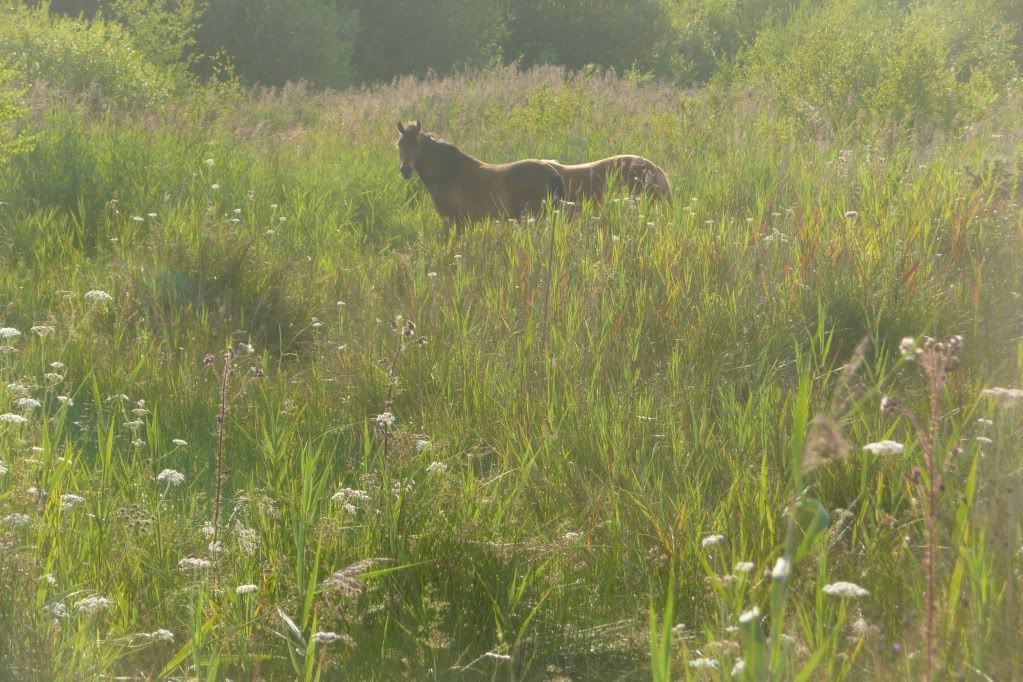
Although there are paths running through the fen, there is a risk of damaging the rare plants and insects which also inhabit the fen, as well as accidentally stumbling into some deep water or scaring the ponies which are used to graze the fen to control the scrub:
.
.
Fortunately another site exists in Oxfordshire where finding and photographing these remarkable plants is a lot more straightforward - the  Oxford Universitry Botanic Gardens, where there is an entire greenhouse devoted to insectivorous plants, including Sundew:
.
.

Wednesday, 13 July 2011

The perils of bumblebee mating

As featured in a previous post, now summer is here, male and queen bumblebees are now on the wing. 
As the bumblebee nest reaches the end of its life queens and males are produced.  The males hatch from unfertilized eggs usually laid by the queen, but sometimes worker bees will produce eggs that will turn into males (if the queen has died or if it is a large nest). The males fly around in what is called a circuit, using scent drops to attempt to attract a queen.
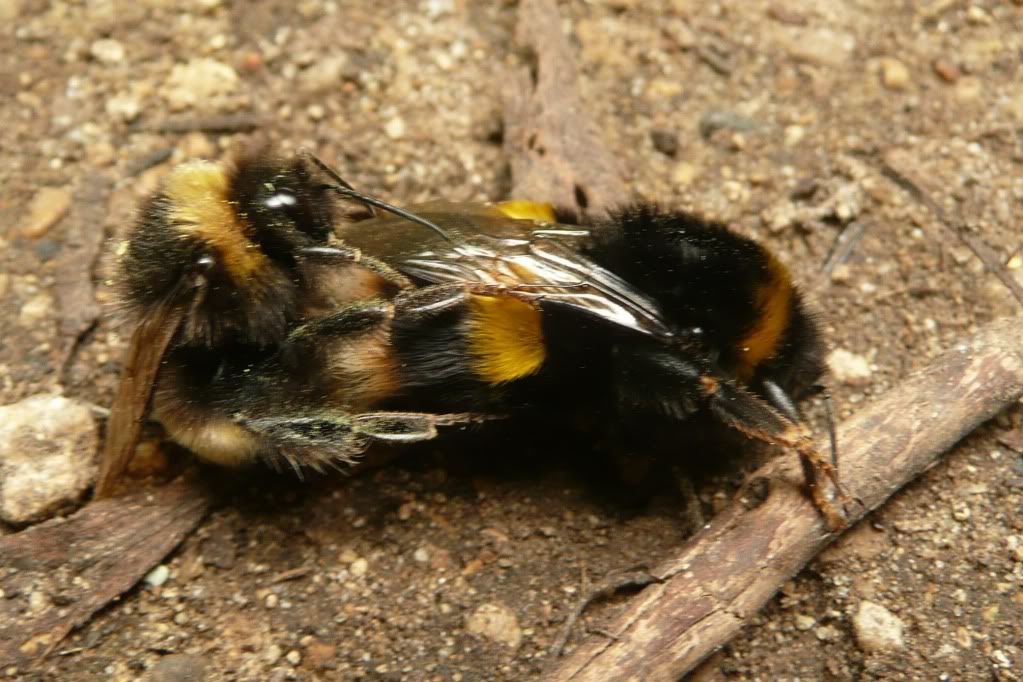
Although individual males and queens are often seen separately, it is unusual to see them in the act of mating. These two were seen along the cycle path to Oxford, near Radley Lakes:
.
.
At first glance they could be red tailed bumblebees (Bombus Lapidarius), but the dark wings on the female and the lack of yellow stripe on the thorax off the male mean they are more likely to be the cuckoo variety (Bombus rupestris):
.
.
For most animals, the act of mating is often short - during this time they are open to predation, they are not feeding and they could be seeking out another mate. But for bumblebees it is an arduous activity (certainly for the queen) and may last for 45 minutes. After mating the male injects the female with 'bung' preventing her from mating (a chemical chastity belt) and it will be the last time she mates. Unlike male honey bees (which die after mating), male bumblebees are free to mate again.
As the queen is weighed down by a male (and sometimes two) she is unable to fly, which can put them in harm's way, like these buff-tailed bumblebees (Bombus terrestris) seen on the footpath along the Ock Valley Walk:
.
.
They were then moved aside to prevent them being crushed (seemingly unfazed about being picked up by a stick and a leaf):
.
.
Unfortunately a different fate awaited this pair along Mill Road, near the Ock, which seem to have spent so long mating that they were not aware of an on coming car:
.
.
References:
Field Guide to Bumblebees  of Great Britain & Ireland: Mike Edwards & Martin Jenner
Bumblebees: Christopher O'Toole
Wild About Britain

Sunday, 26 June 2011

Weekend Bumblebees

The hot weather this weekend has been an ideal opportunity to look for bumblebees and the wild flowers that grow alongside the river are perfect location.
Trying to identify bumblebees can be difficult as not only do several species have the same colour, but the same species can have different colours - so clarifications and corrections are most welcome.
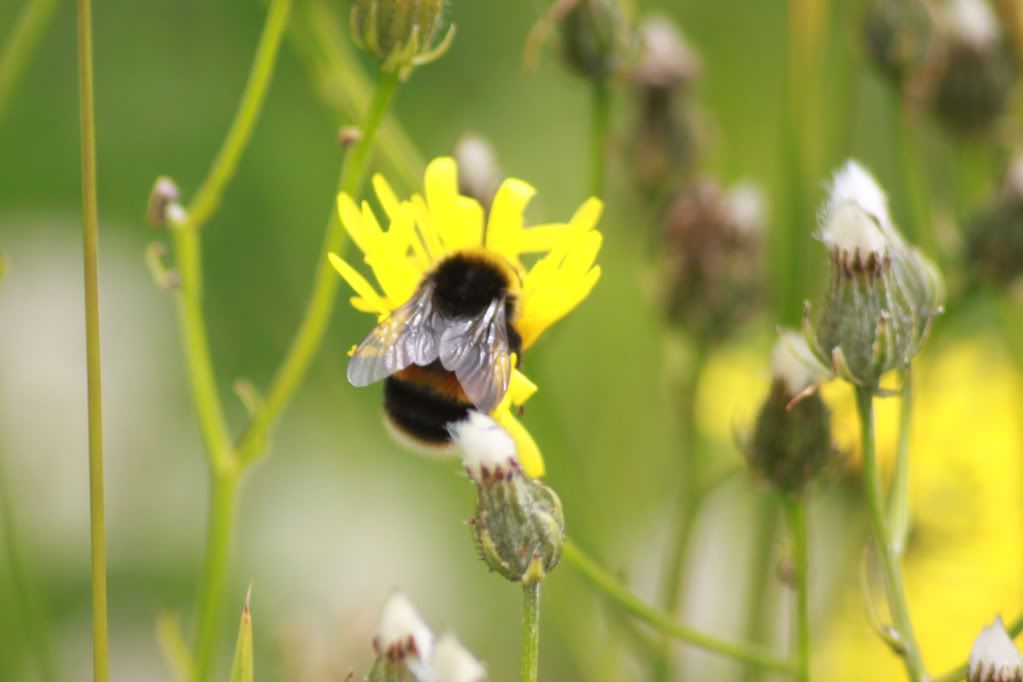
This one is a female worker, probably a white tailed bumblebee (Bombus lucorum) -although garden bumblebees look very similar.
.
.
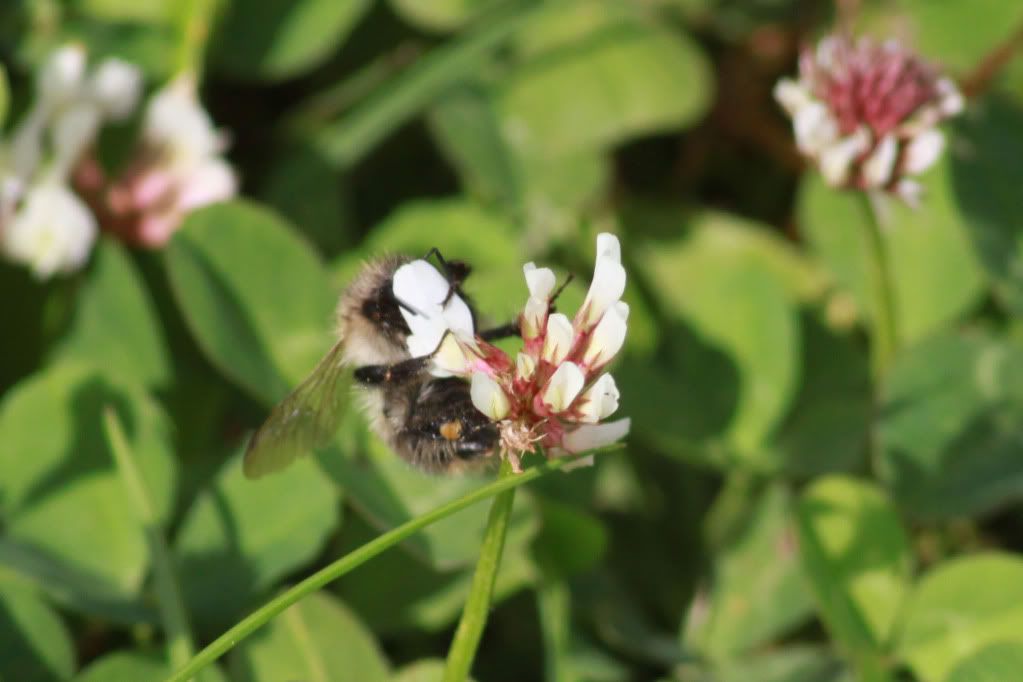
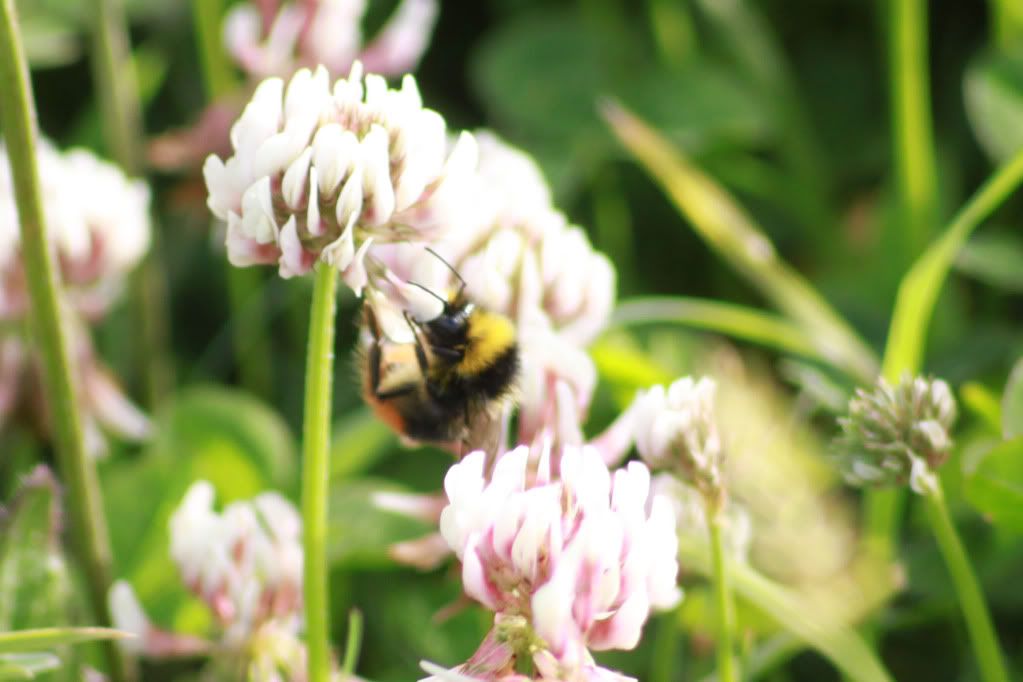
Although a nunesance in a lot of lawns, the flowering clover is particular attractive to bumblebees especially this female common carder bee (Bombus pascuorum):
.
.
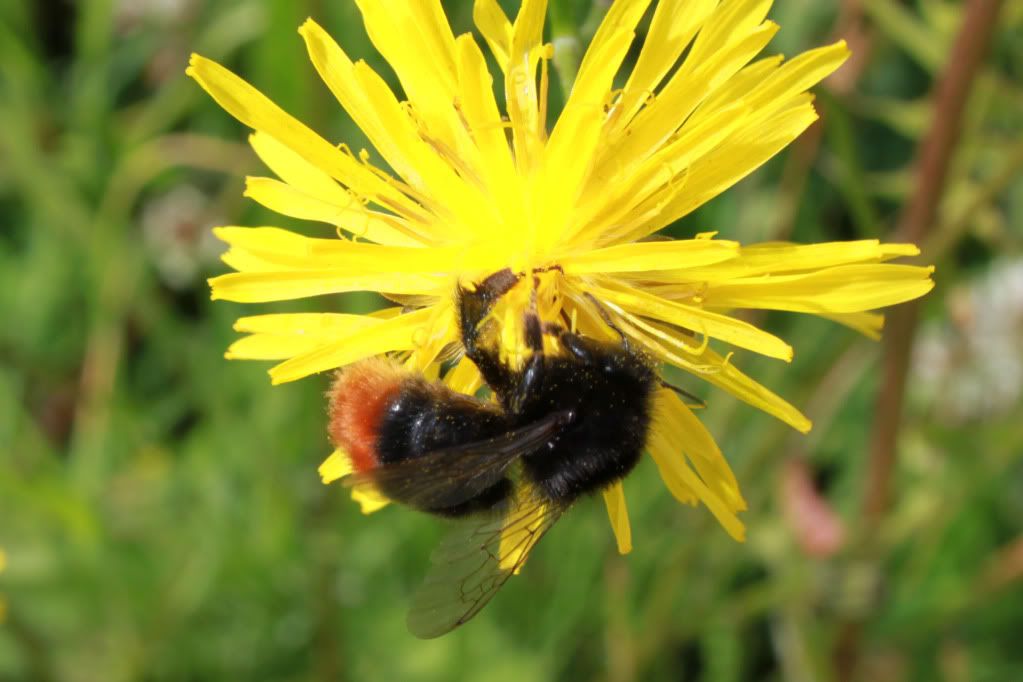
With it's black body and red tail, this female worker is probably a red tailed bumblebee (Bombus lapidarius):
.
.
Although this bee has different colours, it is probably the same species as the red tailed above, but this is a male.
.
.
This bumblebee is probably a queen, as it is a lot larger than the males and workers.  The red tail would suggest that it is also a red tailed bumblebee.  But the dark wings could indicate that it is actually a cuckoo bumblebee (Bombus rupestris):
.

Thursday, 23 June 2011

Lesser stag beetles

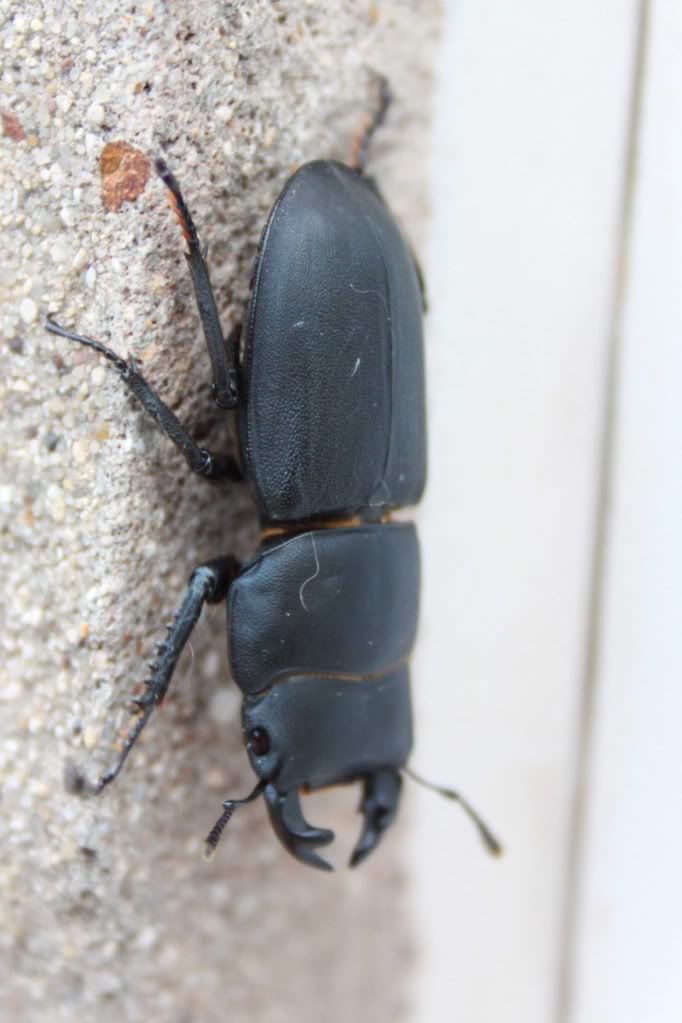
At first glance, this rather impressive insect could be a female stag beetle. It's the same size - almost 3cm long, has similar jaws and almost identical wing cases and thorax.
.
.
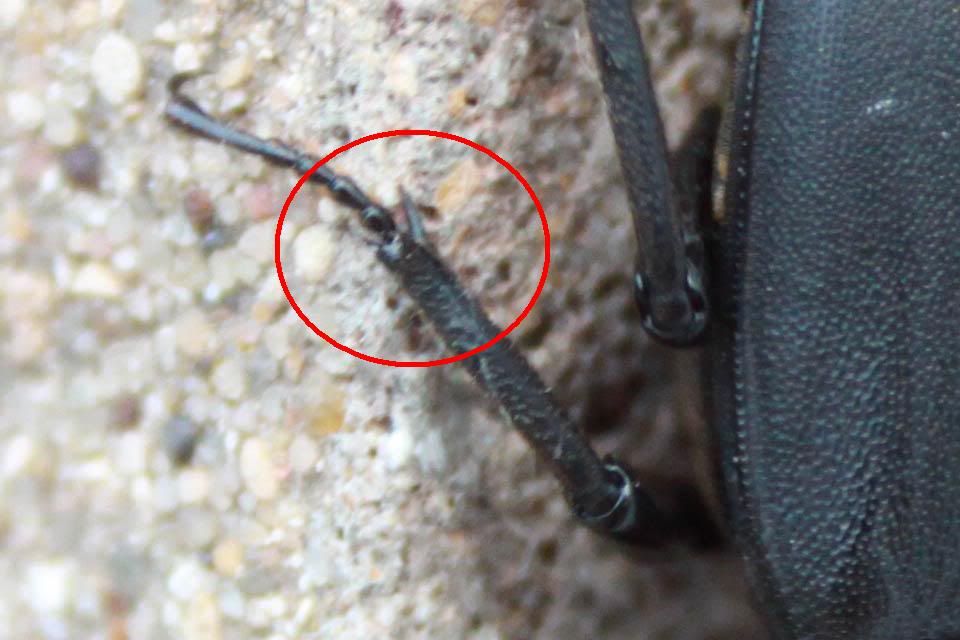
The stage beetle has three spines on the middle segment of it's leg, yet this one only has one. Which according toe the Collins Complete Guide to British Insects identify it is a lesser stag beetle.
.
.
This one was on our patio doors, so it could have recently emerged from our log pile, as they spend up to four years as grubs, feeding on dead wood before pupating. It can then spend up to a year it's adult form as it seeks a mate.
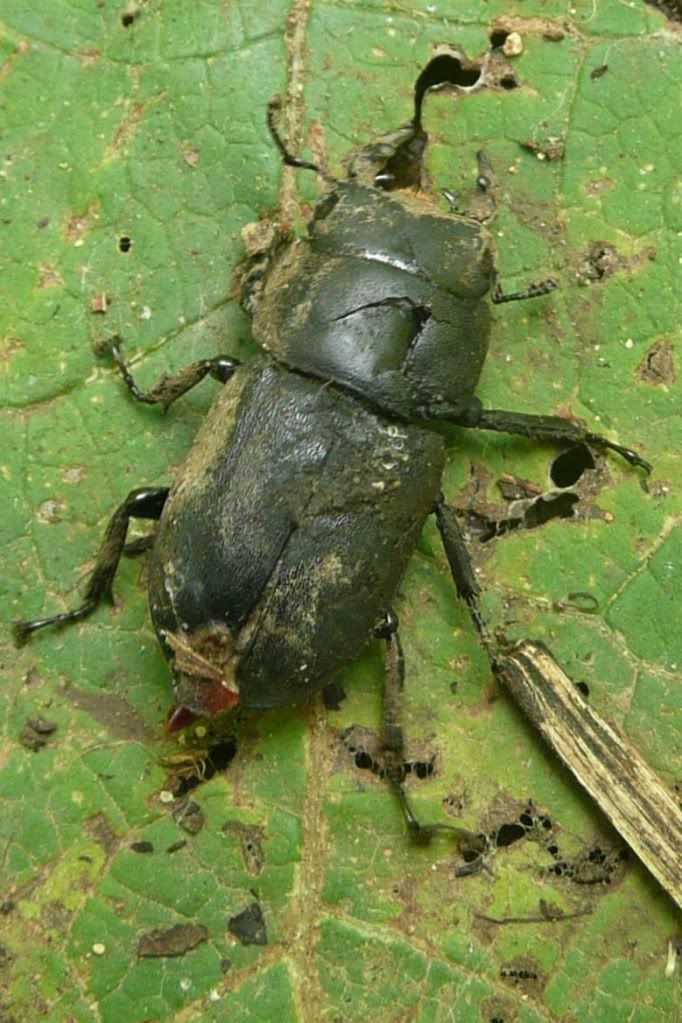
Another encounter with a stag beetle and the fate of this one is less certain. Seen on the Thames path, it has either been attacked by a bird, or more likely, squashed by one of the many walkers who use the path.
.

Sunday, 12 June 2011

Annoying insects?

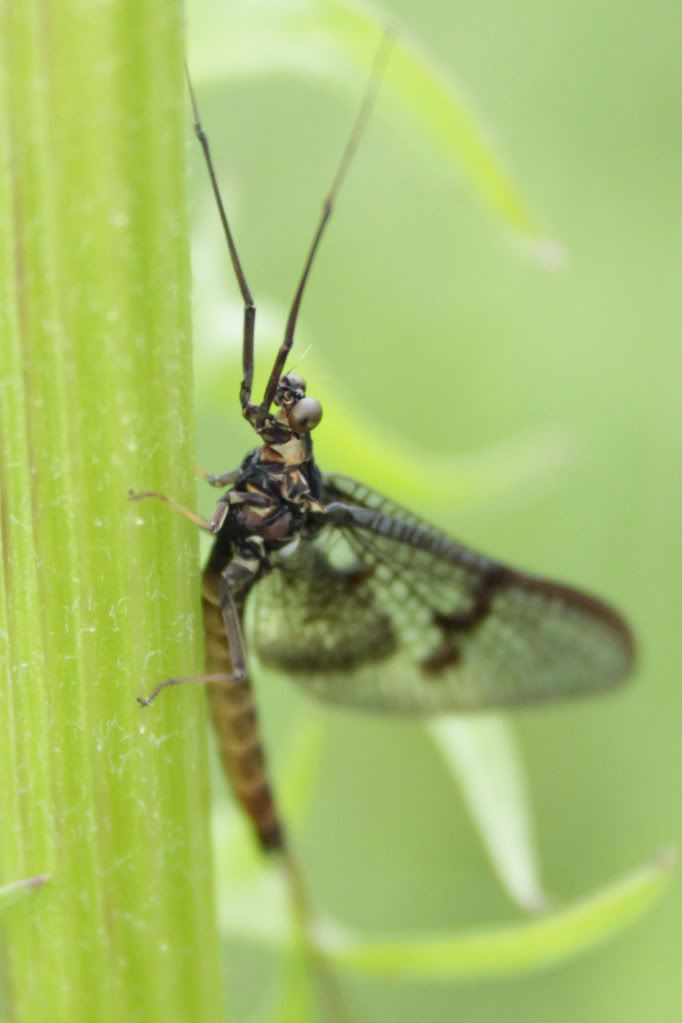
Mayfly have featured in this blog several times, having spent over a year as larvae, eating algae those that have survived being eaten by fish, crayfish and dragonfly larvae emerge from the river in late spring and become adults.  With no mouth or stomach closeup they appear almost alien.
.
.
The e lucky one ones will live for a day during which they will attract a mate, reproduce, lay eggs and die:
Whilst, the unlucky ones just become part of the food chain. Having survived them as nymphs, adult mayfly are a target for adult dragonflies and damselflies, who find the males easy prey as they bounce up and down in the air trying to attract a mate.
.
.
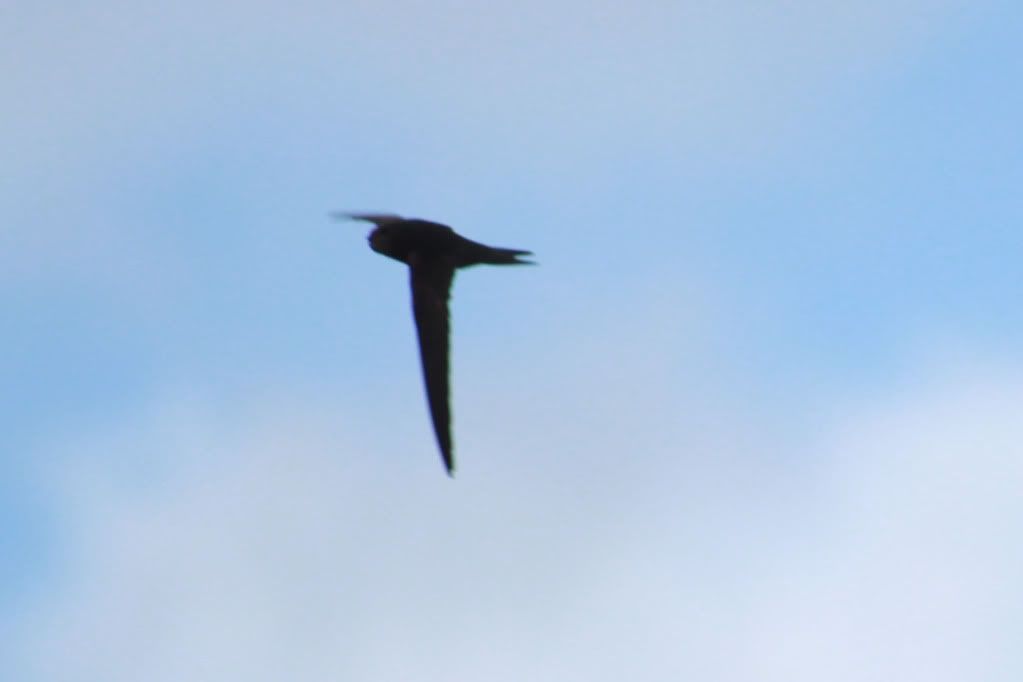
These along, with the mayfly are prey for swifts who have returned to Abingdon after spending the winter in Africa to raise their young. Darting above the river at high speed, making the most of this abundance of winged insects (making them rather tricky to photograph).
.
.
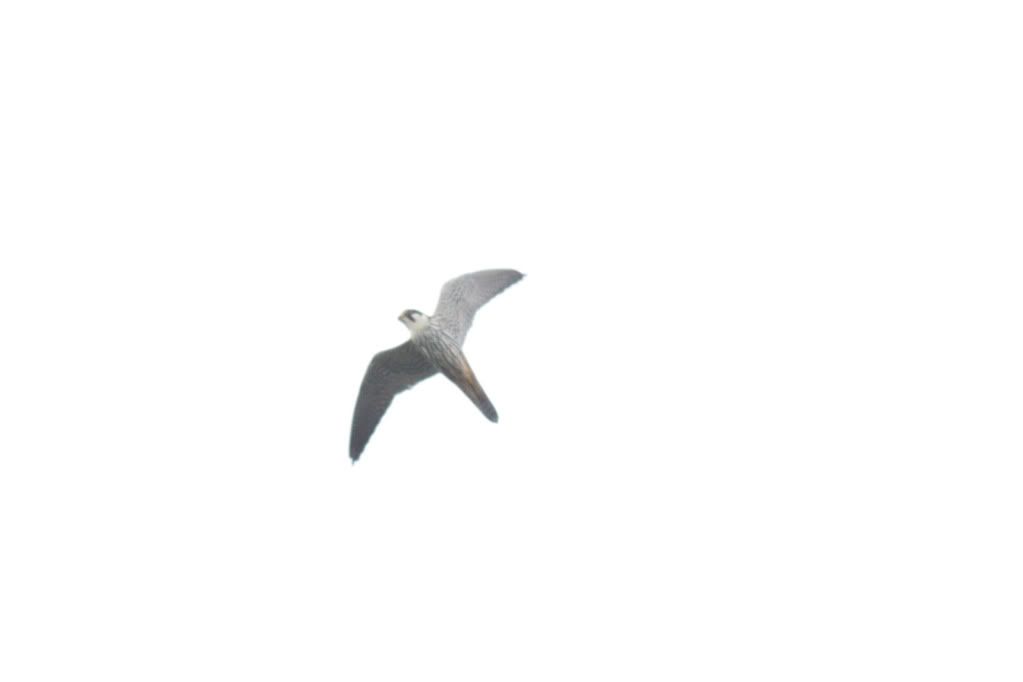
The swifts - along with the damselflies, dragonflies and the unfortunate mayfly - are in turn prey to a small bird the size of the kestrel with the flying pattern of a swift; these are hobbies that have also returned from Africa and on occasions can be seen darting above the Ock:.
.
.
Although when swarming in large numbers they can be an annoyance on a early summer walk, the mayfly in their larval and adult forms are probably one of the most important creatures on the river and without them we wouldn't have the dragonflies, birds, fish and otters that make the Ock such an enjoyable place to walk.

Thursday, 9 September 2010

Random Stuff

Sorting out the 4Gb of pictures that were still on the memory card of my camera - most were rubbish; some have been posted before; some are irrelevant (a picture of Fairlop tube station !?!) and some are interesting, but did not seem to relate to any particular subject or were part of an ill fated post that was never completed.
These have been collated into a kind of miscellaneous post:
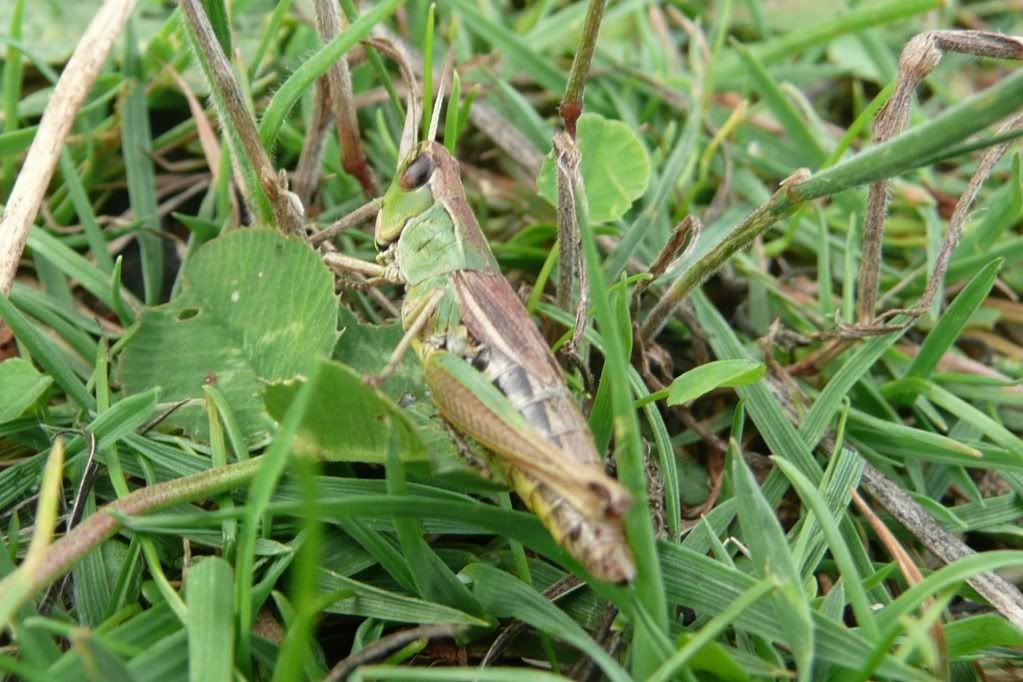
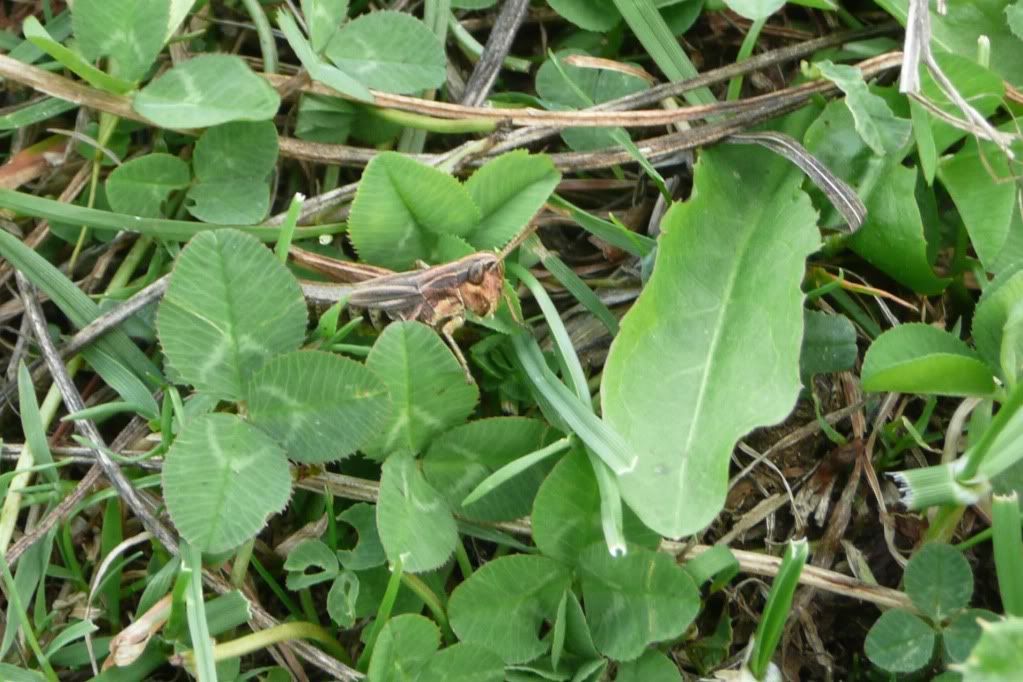
Grasshoppers: Despite their difference colours, these two are possibly 'common green grasshoppers', which aren't always green, they can also be grey or brown. Seen in the Ock meadows in August.
.
.
.
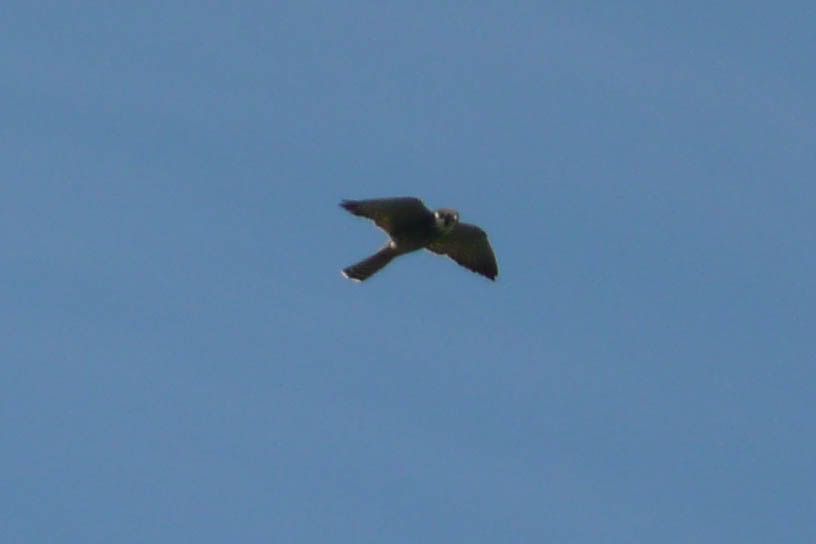
Radley Brook: Whilst waiting for the previously mentioned water vole to make an appearance (or not as the case may be), there are plenty of other things to see, including a sparrowhawk.  One of the four birds of prey that can seen in the area (buzzard, red kite and kestrel being the others, it is an objective of this blog to get decent pictures of all of them).
.
.
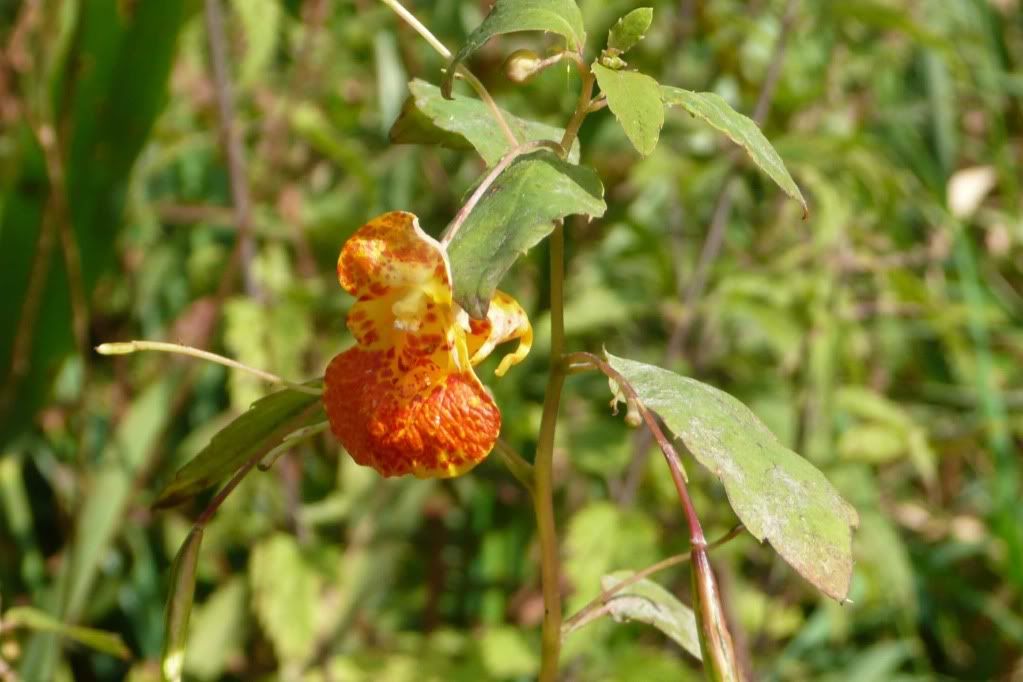
Orange Balsam, is a relative to the dreaded to himalayan balsam and is also an introduced plant that has escaped into the wild.  But unlike it's relative it is not as invasive and is rather attractive:
.
.
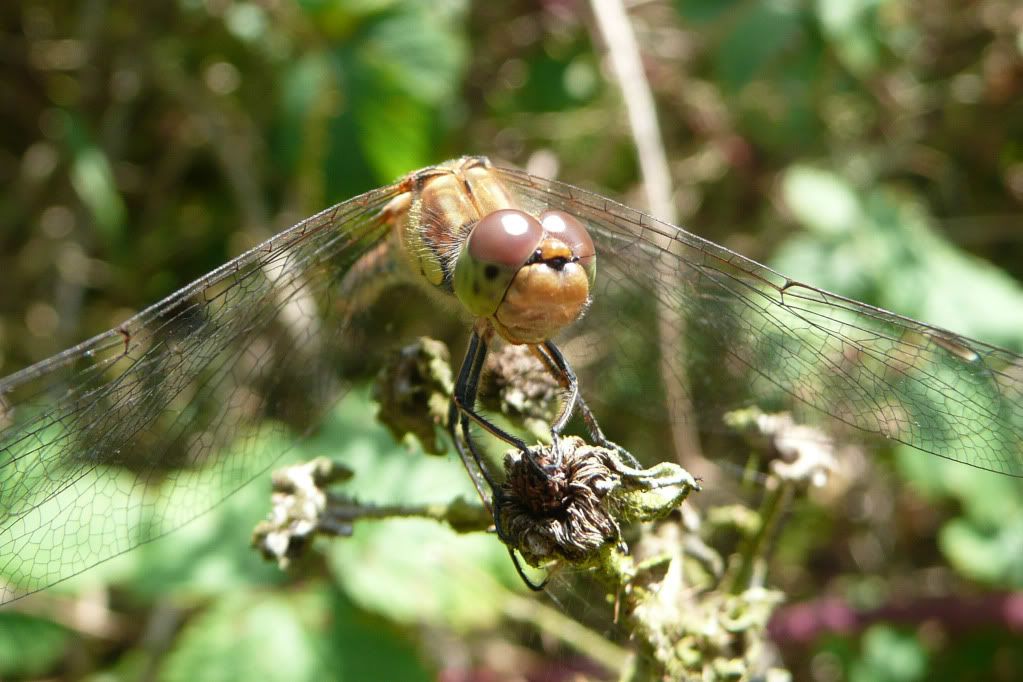
Dragonfly: A photograph of this particular dragonfly has appeared elsewhere in this blog, but in retrospect, I prefer this picture:
.
.
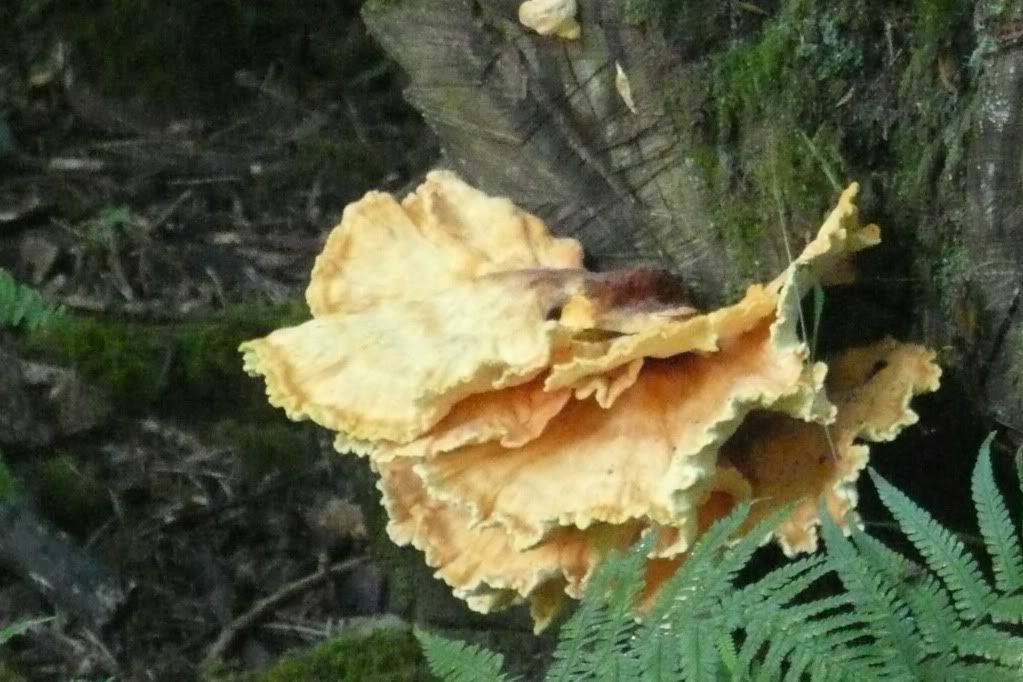
Wytham Woods: This rather impressive bracket fungus (with less impressive camera focus) in Wytham Woods near Oxford:
.
.
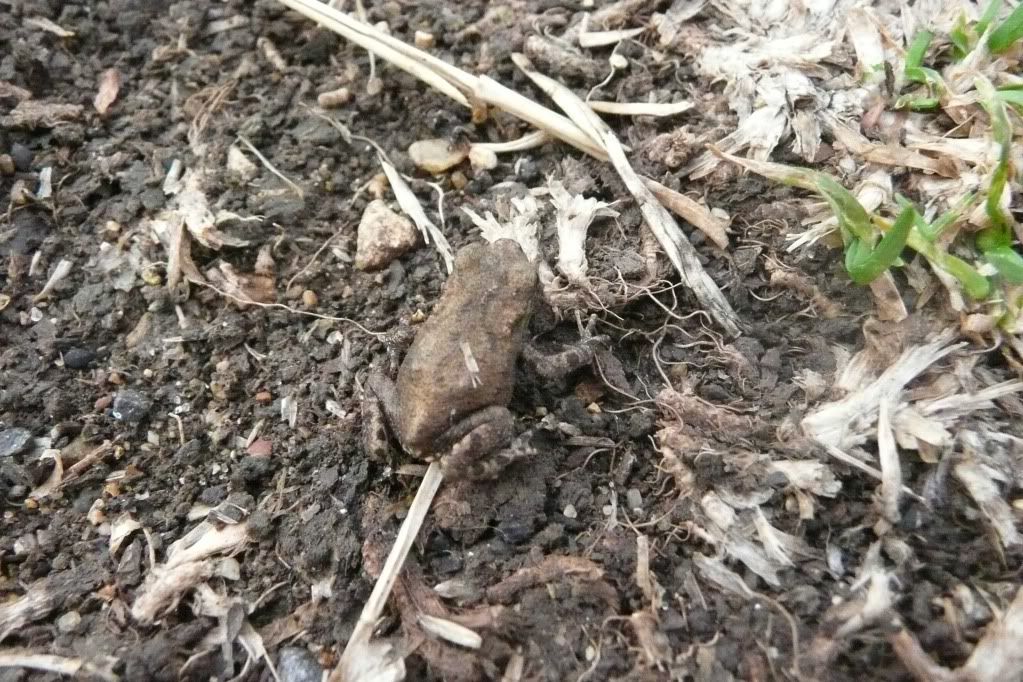
A small toad, also seen in Wytham Woods:
.
.
Managed by the University of Oxford Wildlife Conservation Unit, it has been intention to write a blog post about this fascinating place for a while. But like Sandford Brook, the Cothill Fens and the rivers Stert and Thames, it will have to remain on the list of posts that never seem to get written....

Thursday, 26 August 2010

Views of the pavement

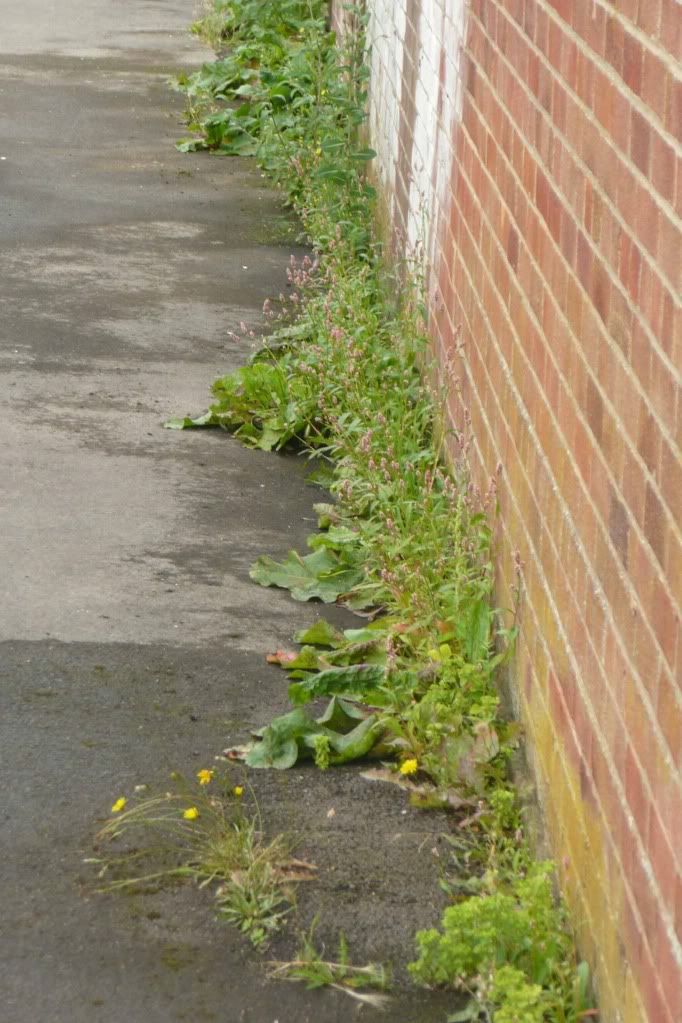
Whilst walking back from the river the other day, I noticed a clump of plants growing through the pavement.  Every year they seem to get cut and every year they grow back. 
.
in
.
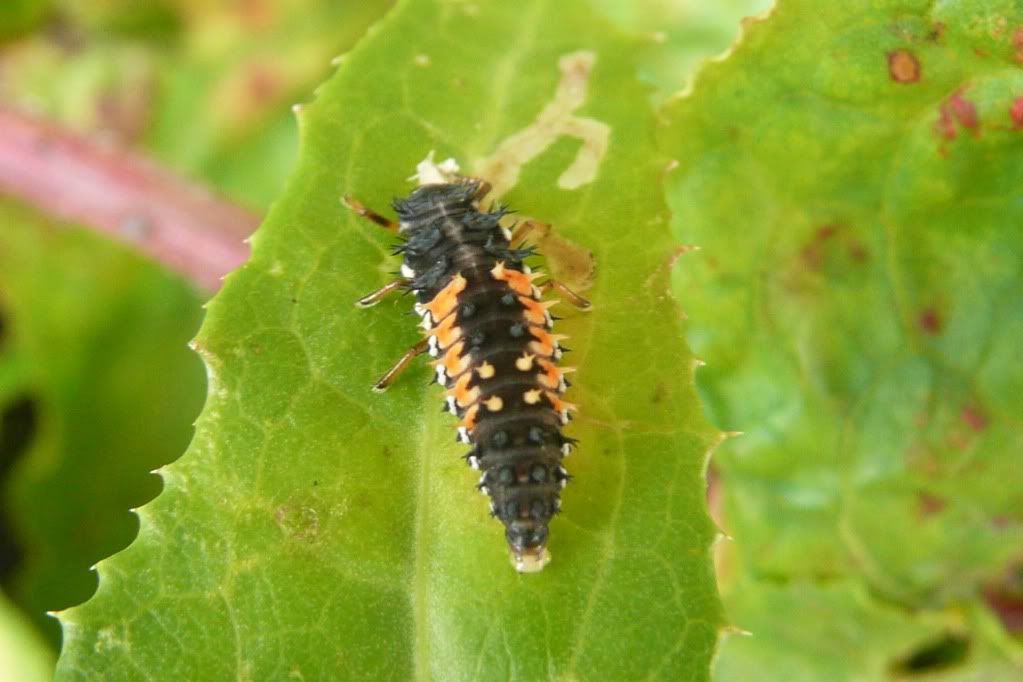
But closer inspection it turns out to be a haven for ladybirds, including the larvae of an invasive harlequin:
.
.
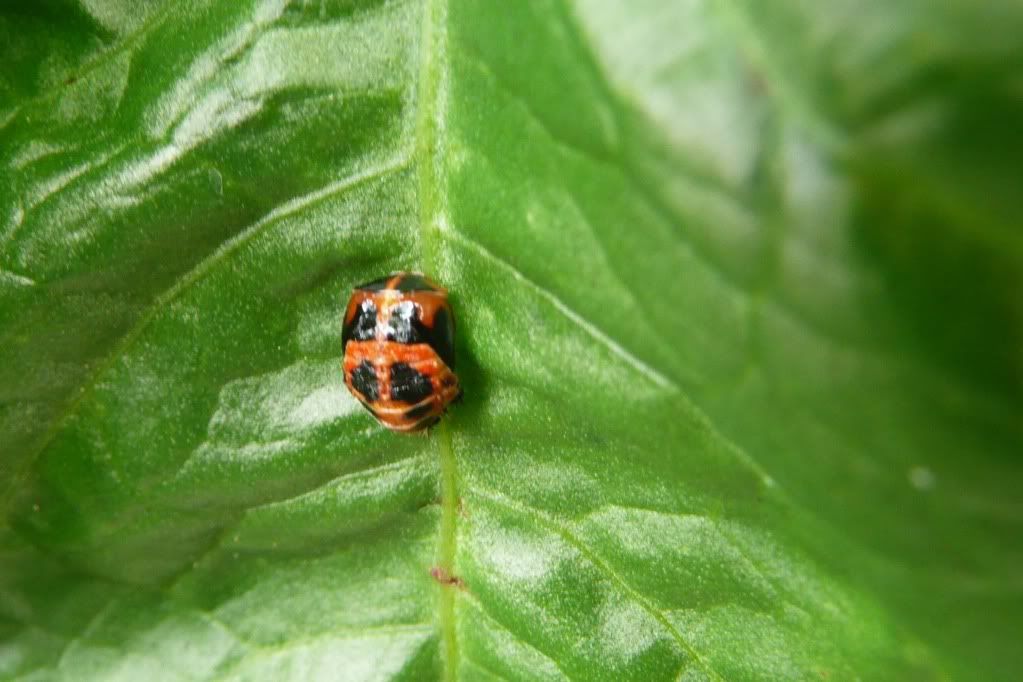
After a few weeks the larvae turn into pupa, also seen on the same plant:
.
.
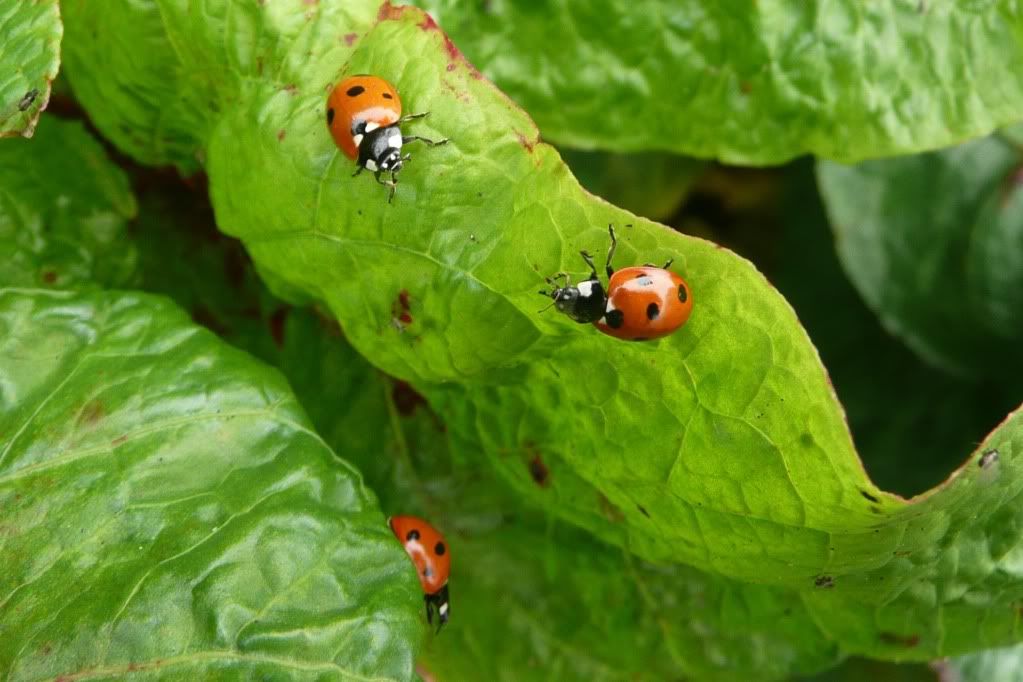
The full size adult then emerges, on these plants there countless seven spot adults.  Perhaps surprisingly, there were no obvious harlequin adults.
.
.
Although the seven spot is one of the UK's most common ladybirds, the rapid spreading of the harlequin may soon out compete it - as harlequins will feed on the eggs, larvae and pupae of the native ladybirds:

Monday, 23 August 2010

Weekend wildlife..

A selection of the 174 pictures taken over the weekend...
.
.
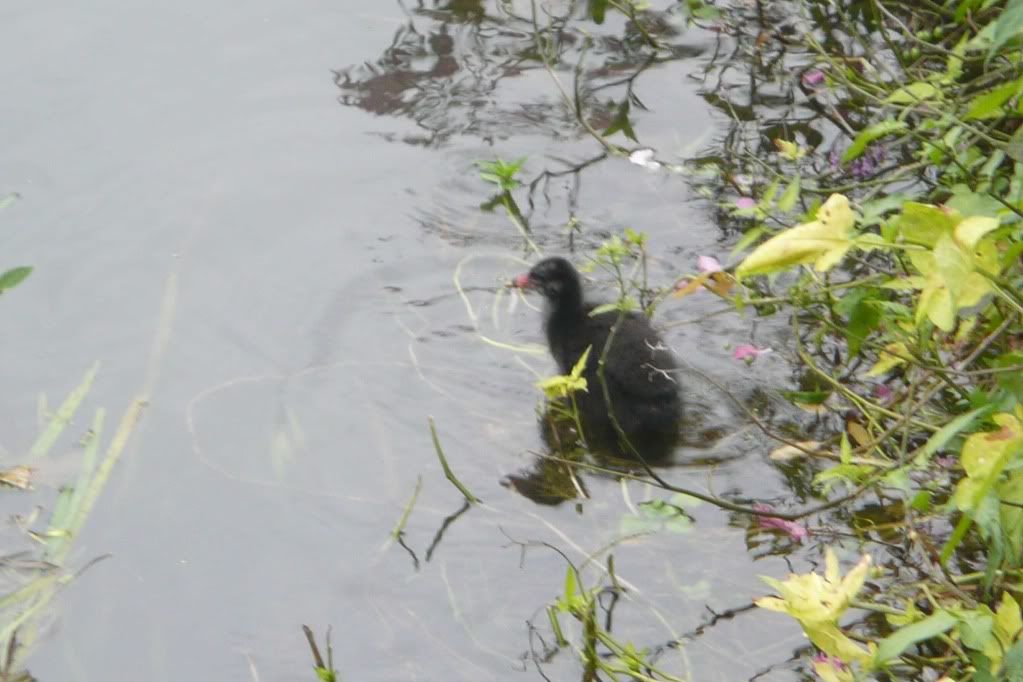
Young moorhen
.
.
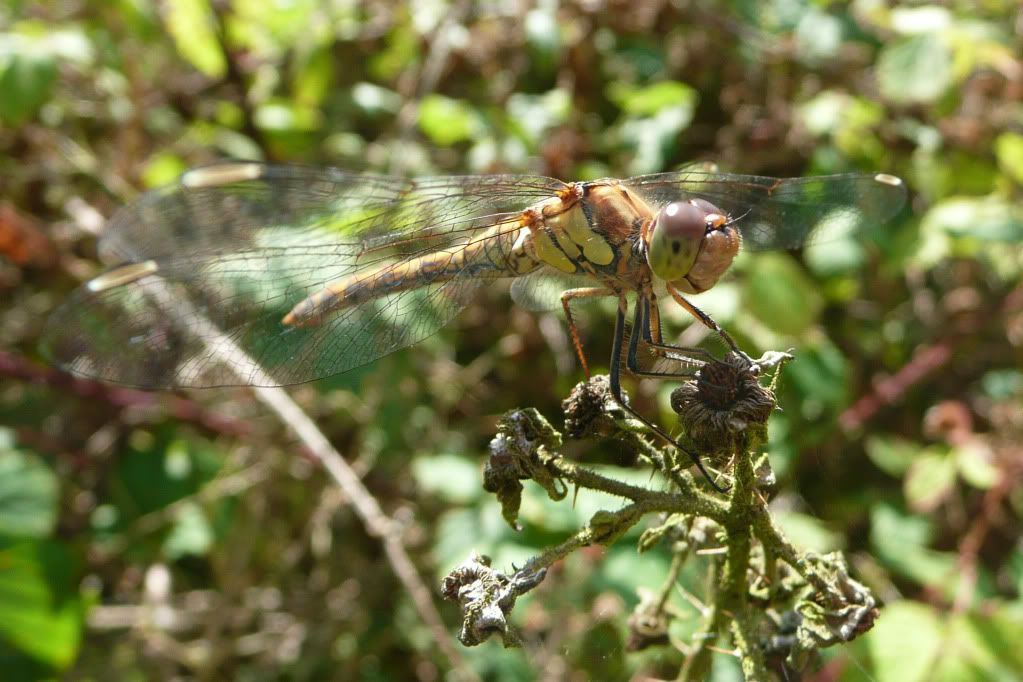
A remarkably still dragonfly (accounting for a large proportion of the weekend picture tally)
.
.
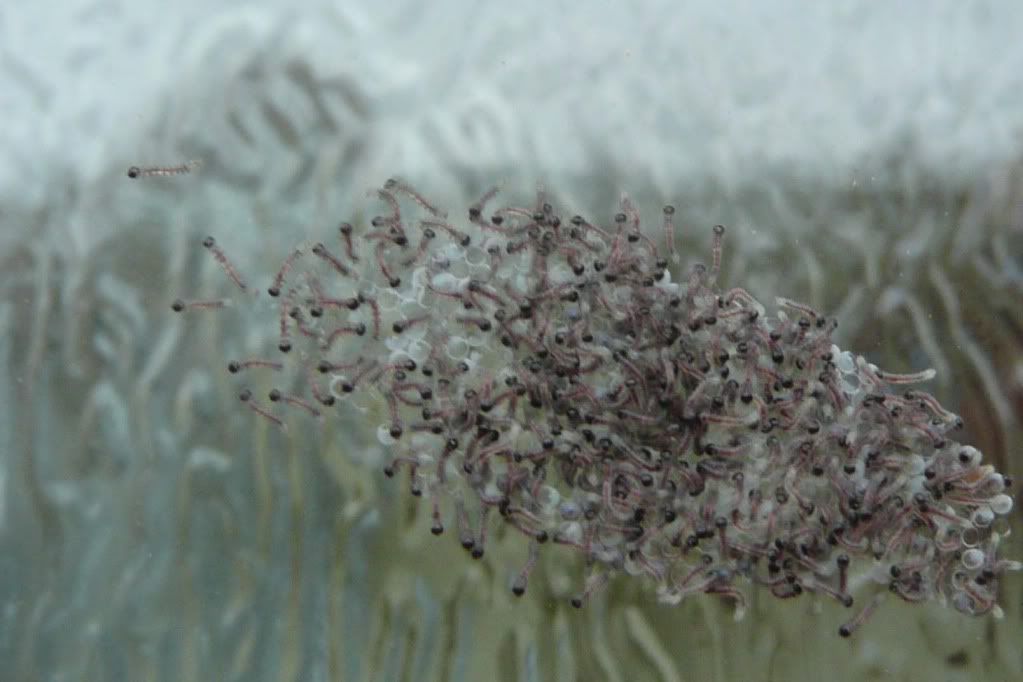
Recently hatched insect larvae on a window
.
.
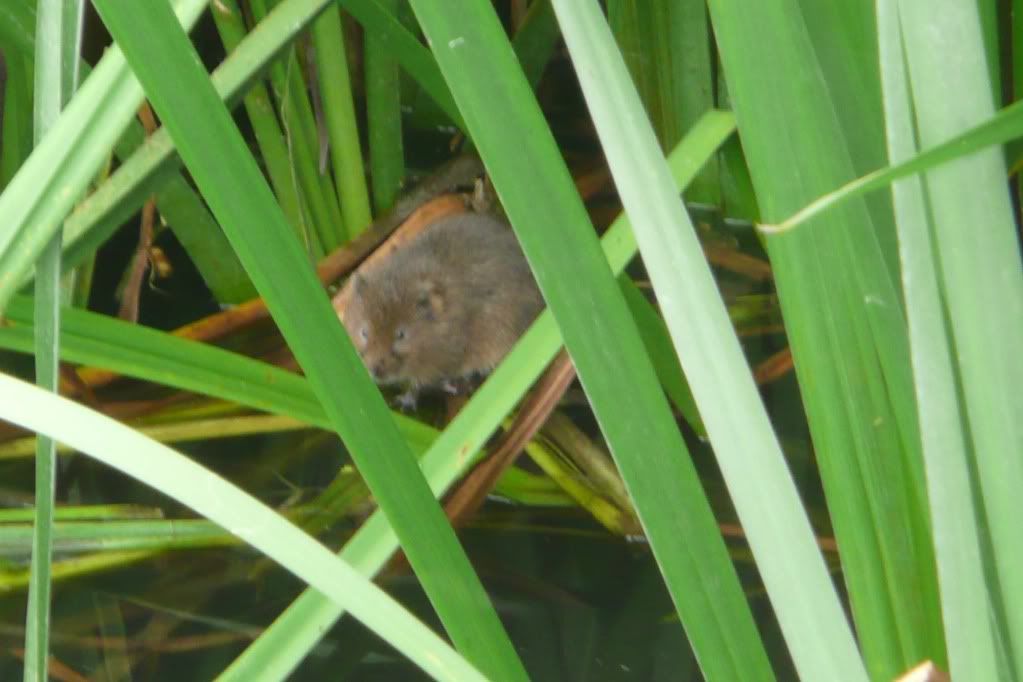
Obligatory water vole.
.

Sunday, 4 July 2010

Moths, butterflies & other insects


The warm weather has provided an ideal opportunity to seek out some of the insects that inhabit the ock and the flood meadows - some seem almost exotic.
Male banded demoiselles along the river, possibly competing with each for the best spot to attract a female:
.
.
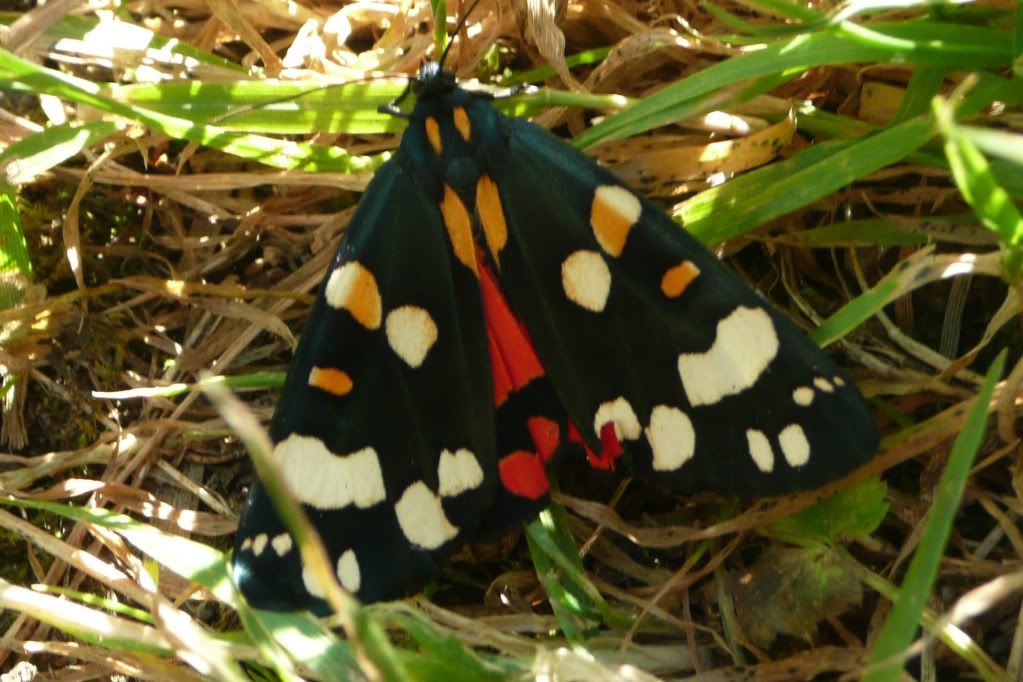
A rather splendid scarlet tiger moth, a locally common to the south of England. A moth that prefers damp habitats and flies during the day.
.
.
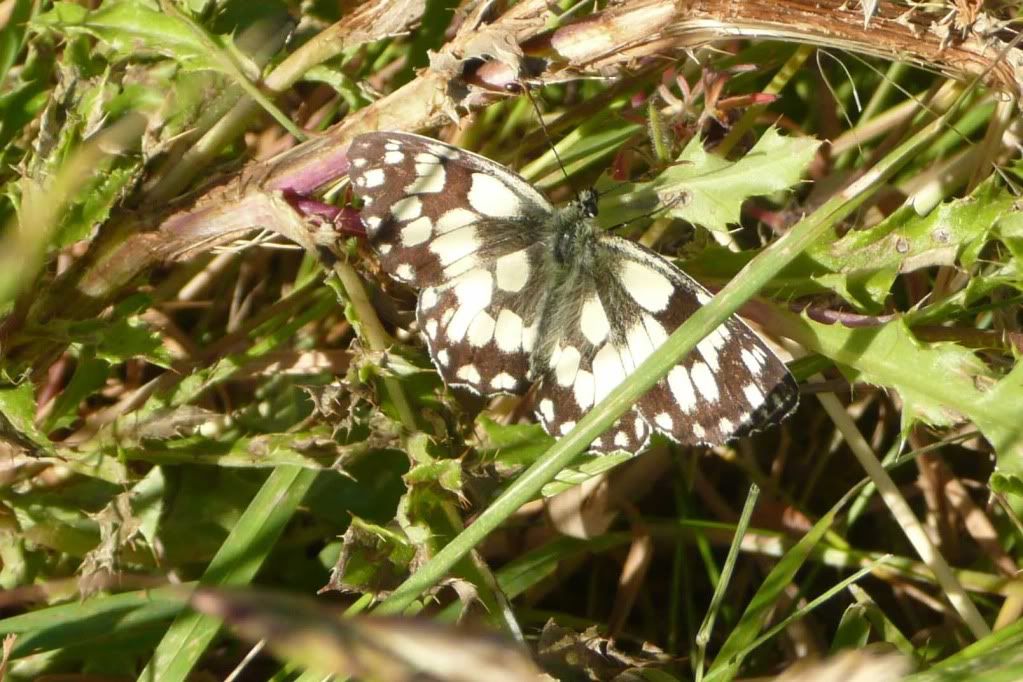
Also locally common is the marbled white butterfly, apparently it favours flower rich meadows, hence several seen flying around the ock meadows:
.
.
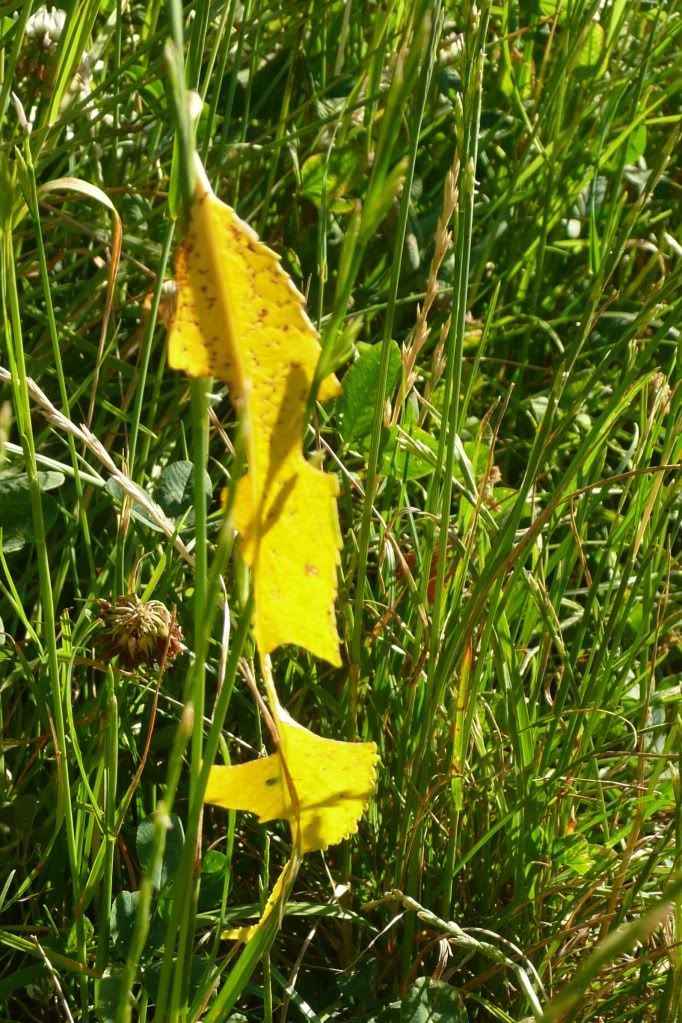
Although no sightings of a leaf cutter bee, one has left evidence in the form of these distinct cuttings in a leaf:
.