Showing posts with label garden wildlife. Show all posts

Sunday, 17 March 2013

Siskins

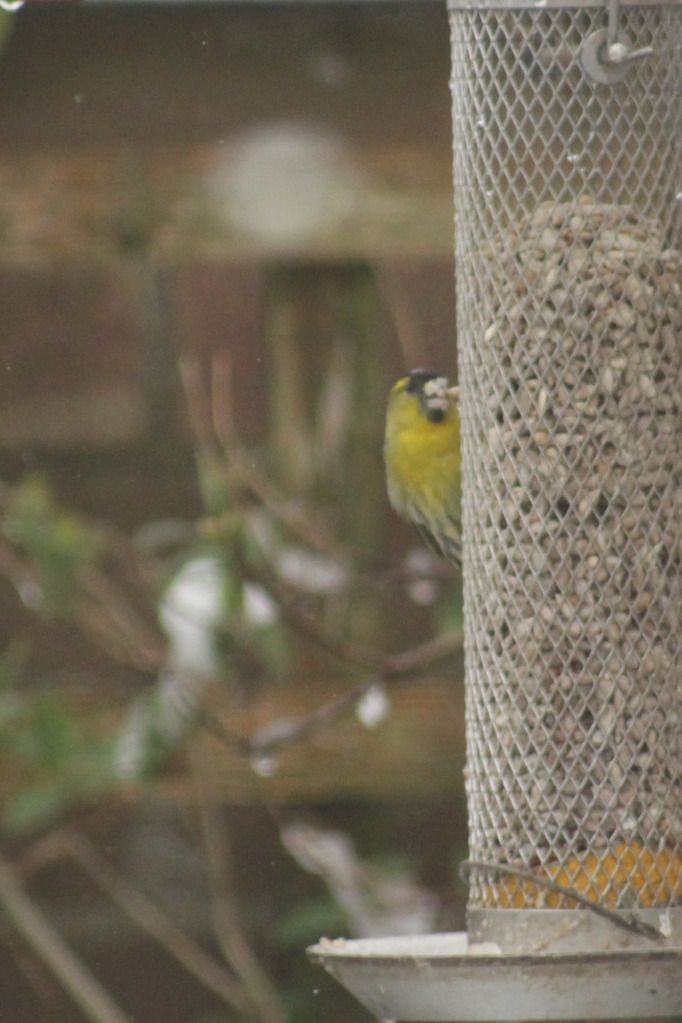
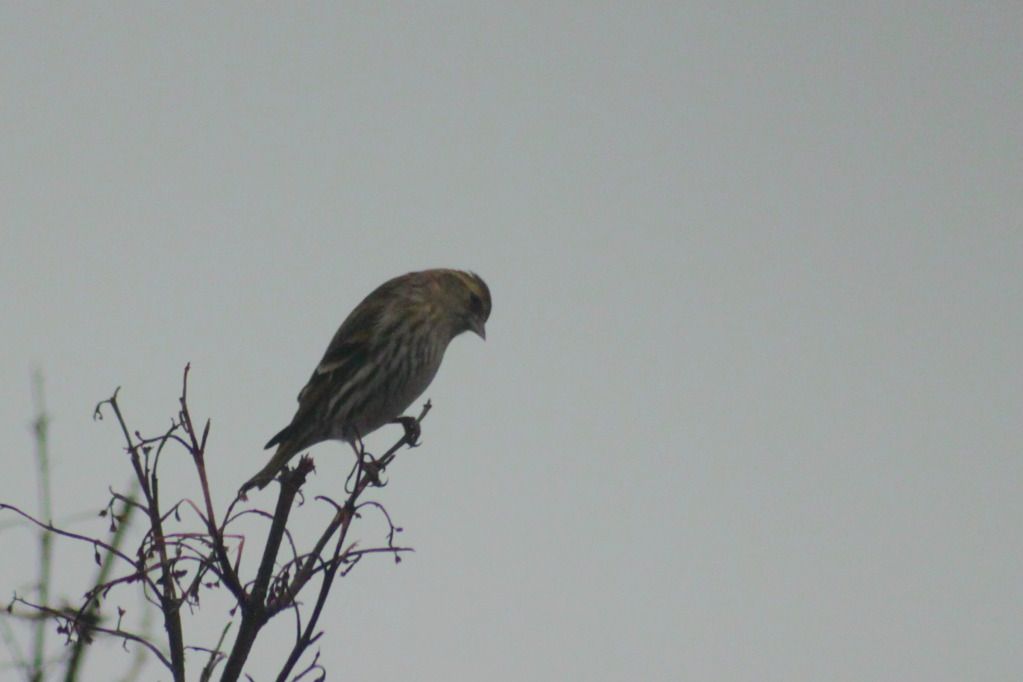
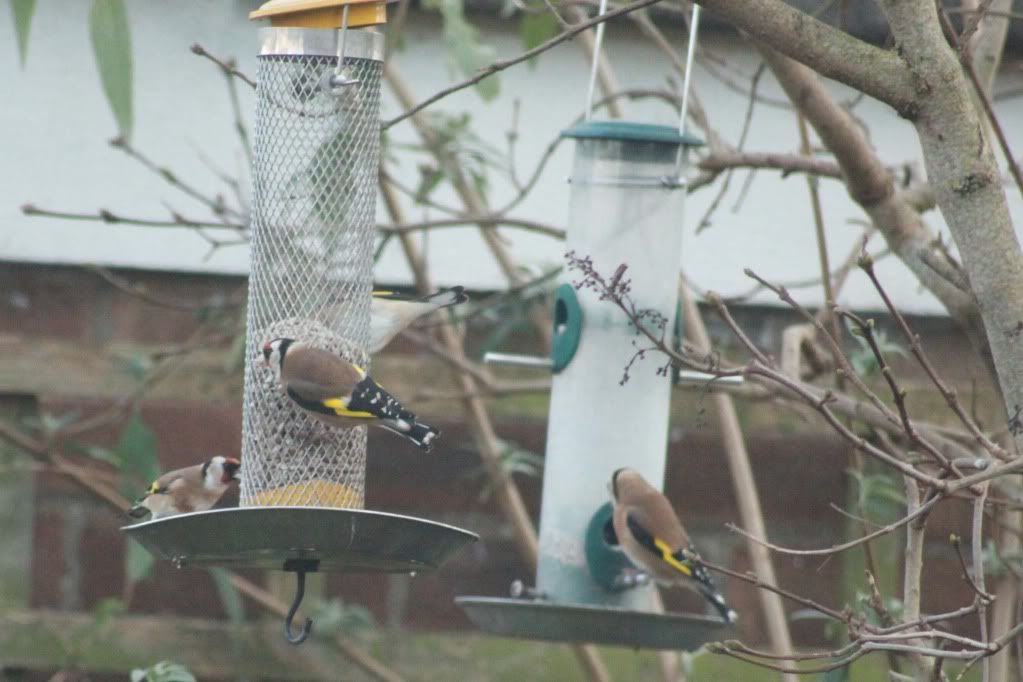
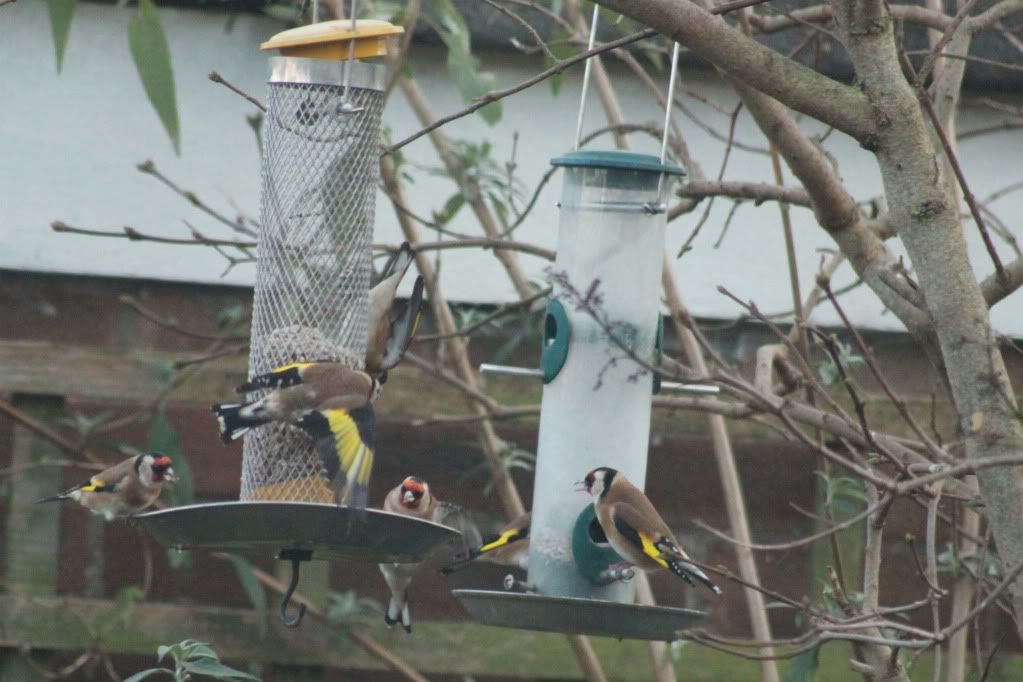
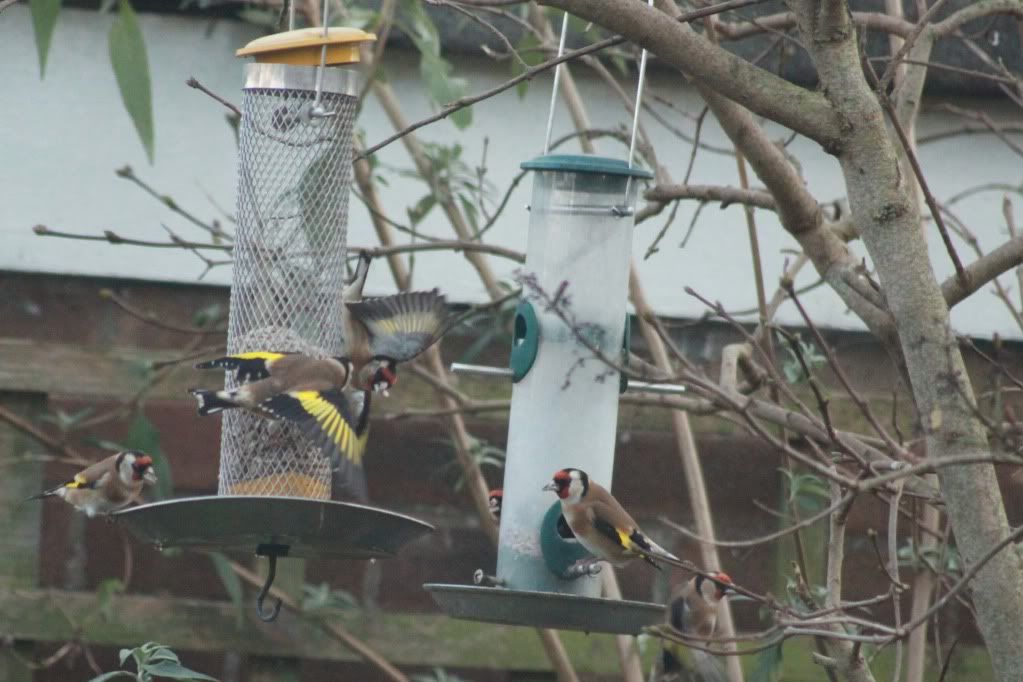
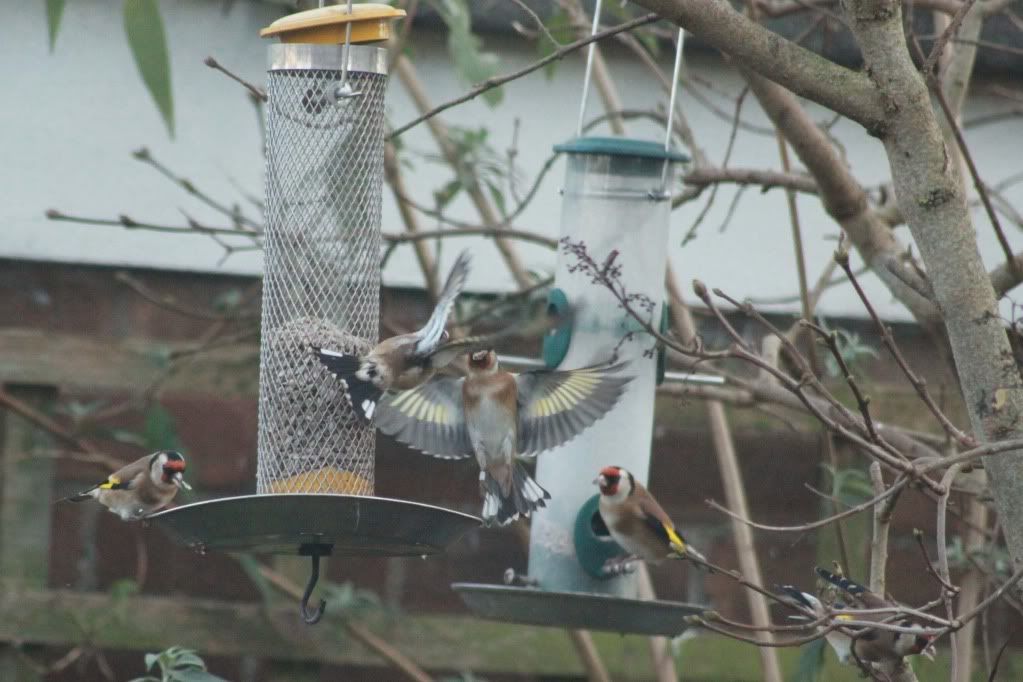
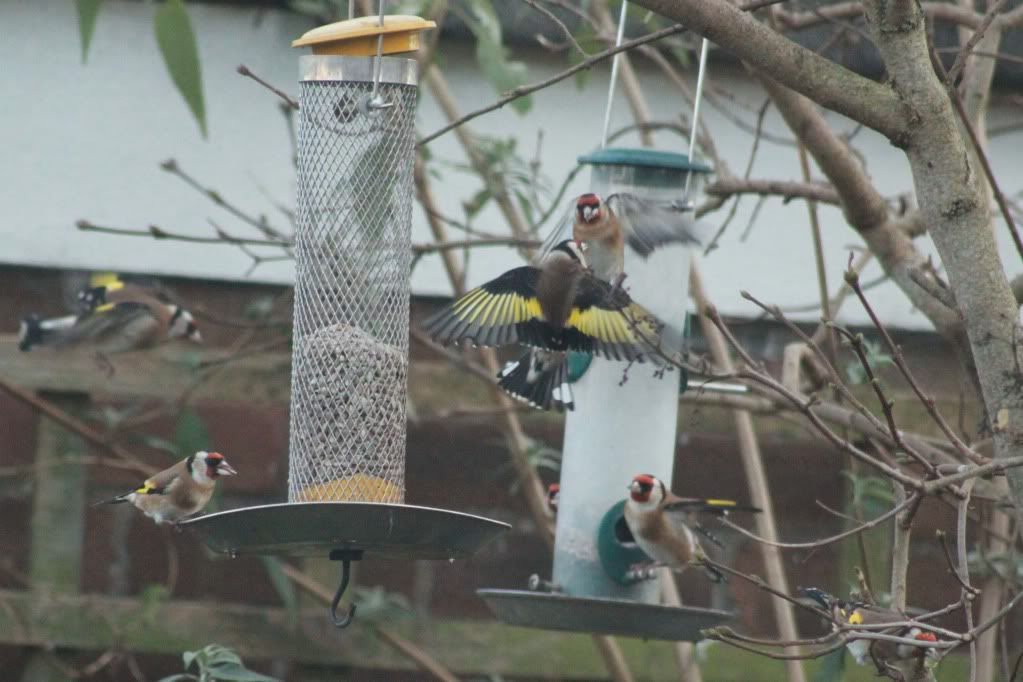
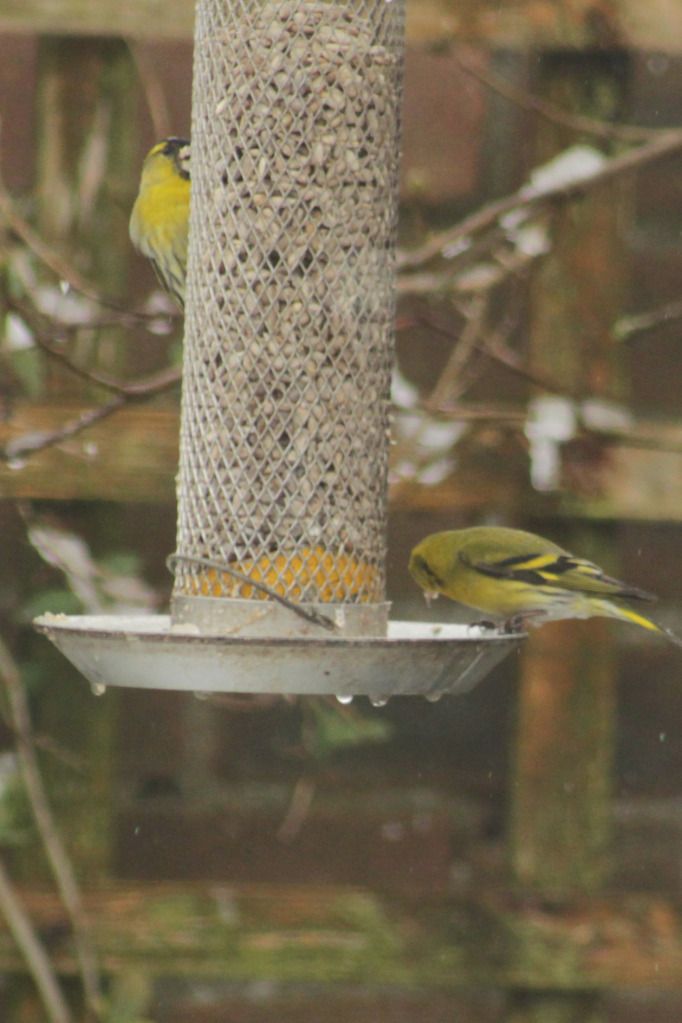
Among the usual visitors to the bird feeders in our garden - blue tits, chaffinches, goldfinches and the occasional greenfinch - there is a bird that we have not seen for over five years - siskins:
.
.
.
Siskins are migratory birds and so these will have chosen to spend the winter in south, usually eating tree seeds,  before returning to their breeding areas of Northern Britain or Europe.
.
.
However, this year seed availability has been lower the average and they have been attracted to garden feeders (in our case, sunflower hearts) in record numbers, with the BTO recording the highest influx of siskins into gardens since 1998.

Saturday, 18 February 2012

Spring in the Garden?

The snow has now melted and thanks to a warm sun the temperature has risen to 10 degrees, as a result, some of the plants in the garden have started to flower, giving the garden an almost spring like feel.
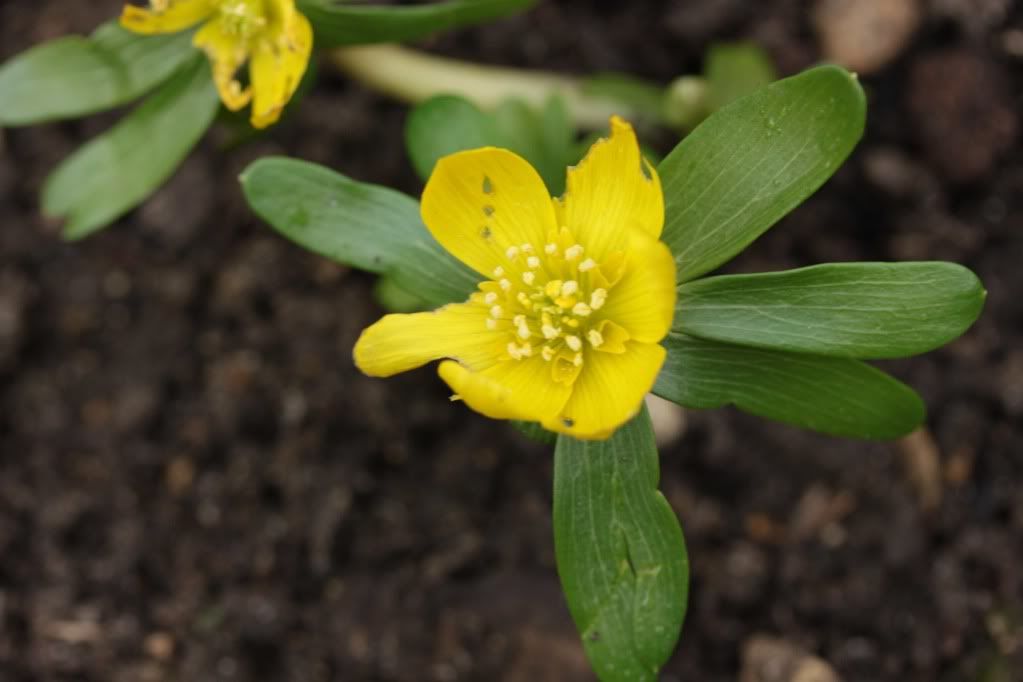
One of the earliest was the winter aconite, an none native member of the buttercup family which can found in many gardens and woodlands throughout the UK.


.
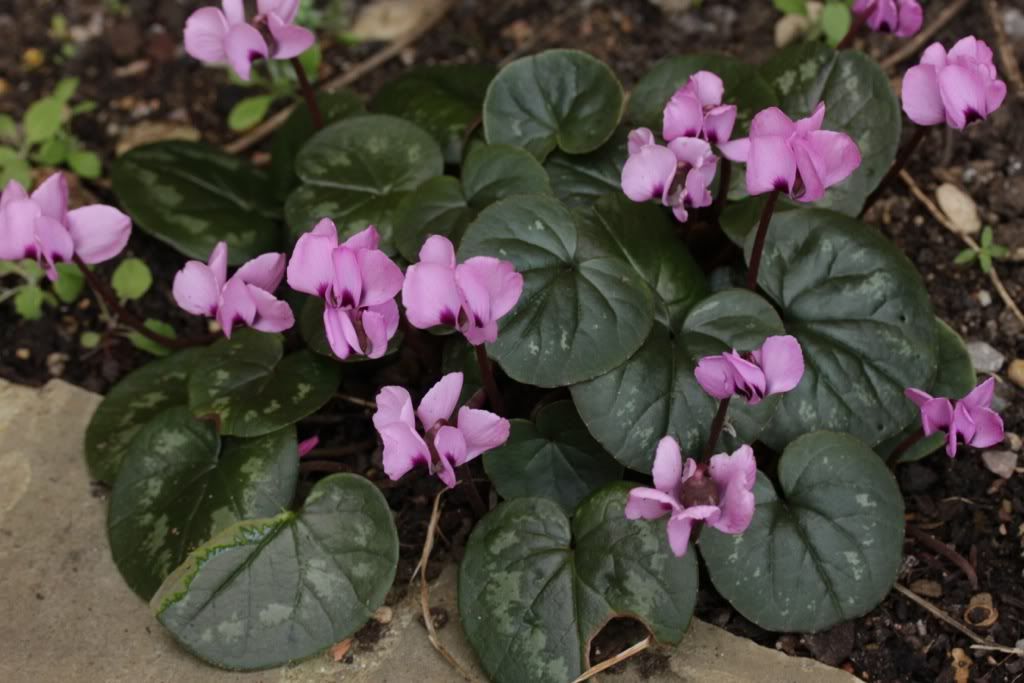
The cyclamen has also been in bloom for a while, it is the first time it has flowered and apparently the flowers can last for several months.
.
.
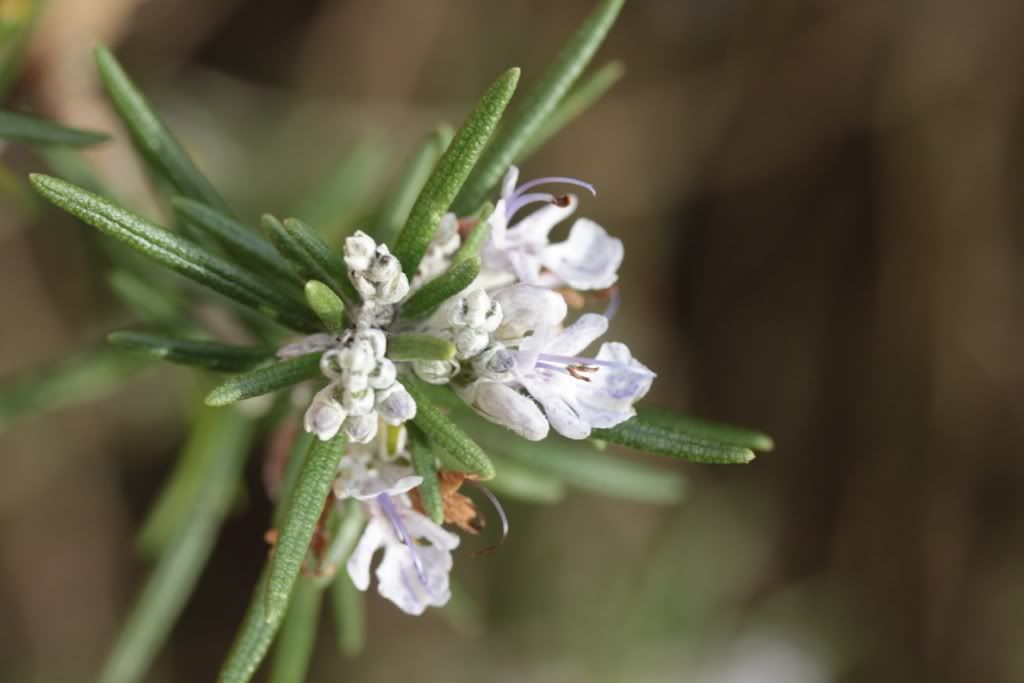
The rosemary bush has been producing small flowers for most the year and is one of the most popular with the bees when they emerge from hibernation.
The flowers are quite small, but up close they have the elegance of an orchid.
.
.
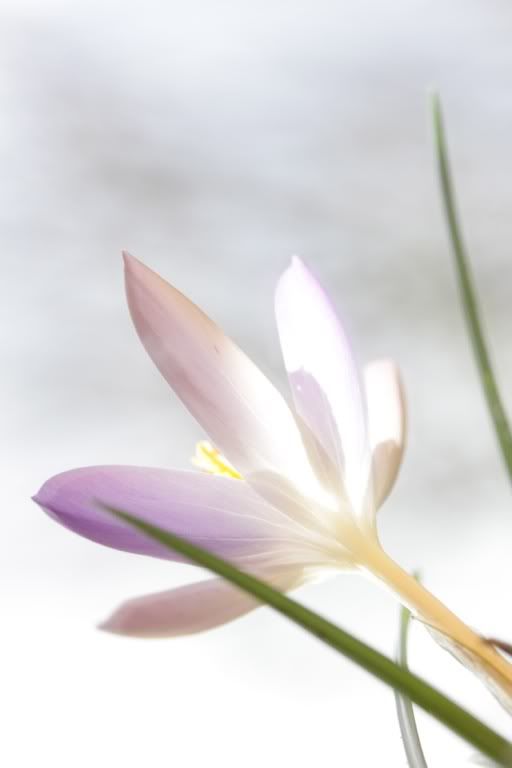
Several varieties of crocus are also in bloom, including this purple crocus:
.
.
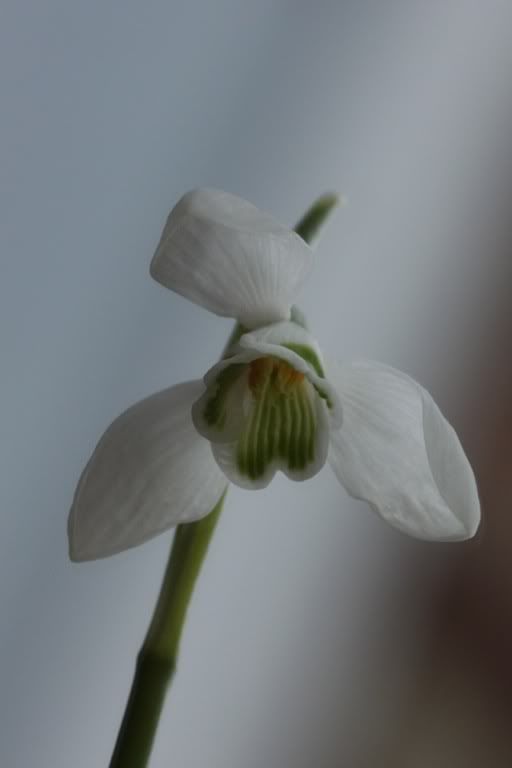
Most of the snowdrops are now in bloom, including this non native hybrid - Galanthus Sam Arnot' - purchased from Waterperry Gardens. 
.
.
The behaviour of the birds has also changed, the blackbirds seem to have paired up and are chasing off other garden birds and the solitary dunnock seems to have acquired a partner and can be seen checking possible nesting sites - when they are not being chased off by the blackbirds.

Saturday, 10 December 2011

Argumentative Goldfinches

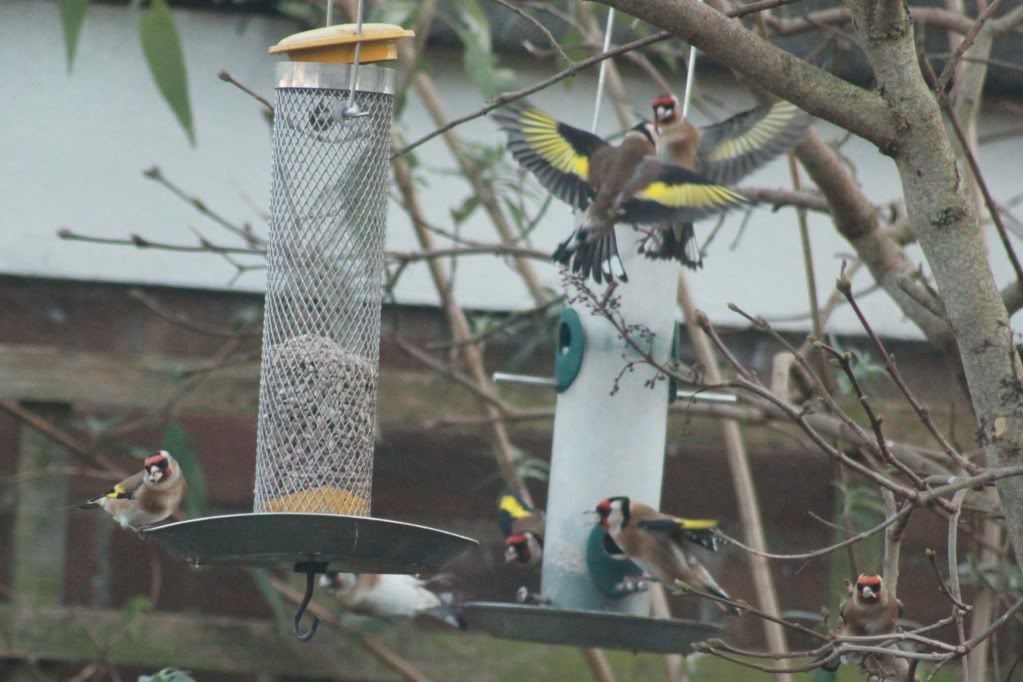
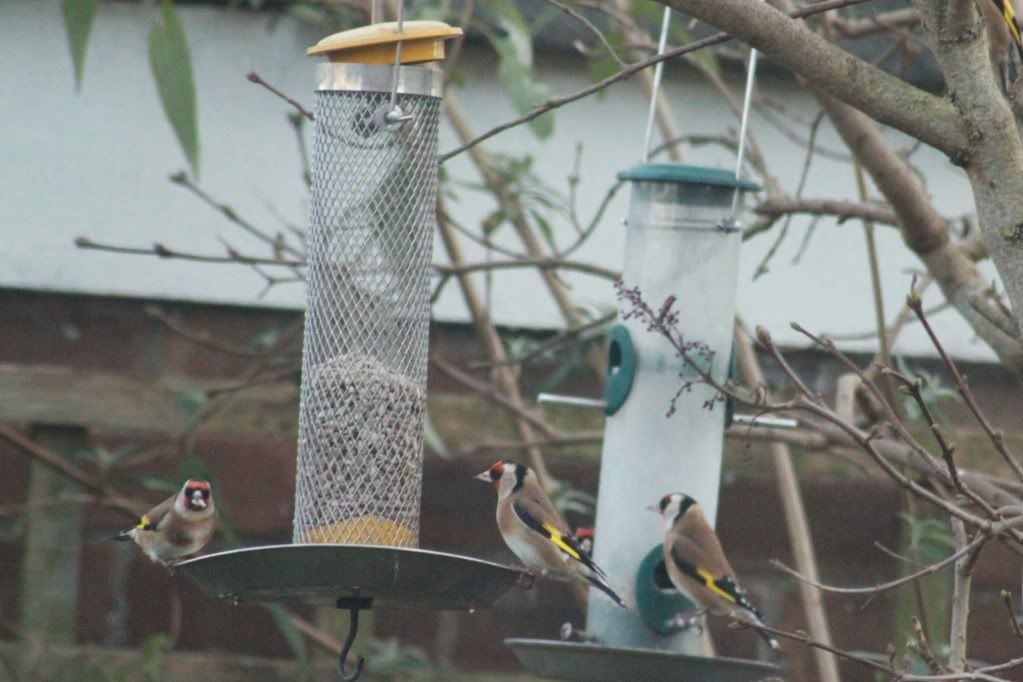
As winter sets in and the weather gets colder the number of goldfinches in the garden increases, sometimes as many of 30 can be seen competing for the sunflower hearts in the bird feeders.
Most of the times they are harmonious, seemingly not to mind being in close proximity to each other.
.
.
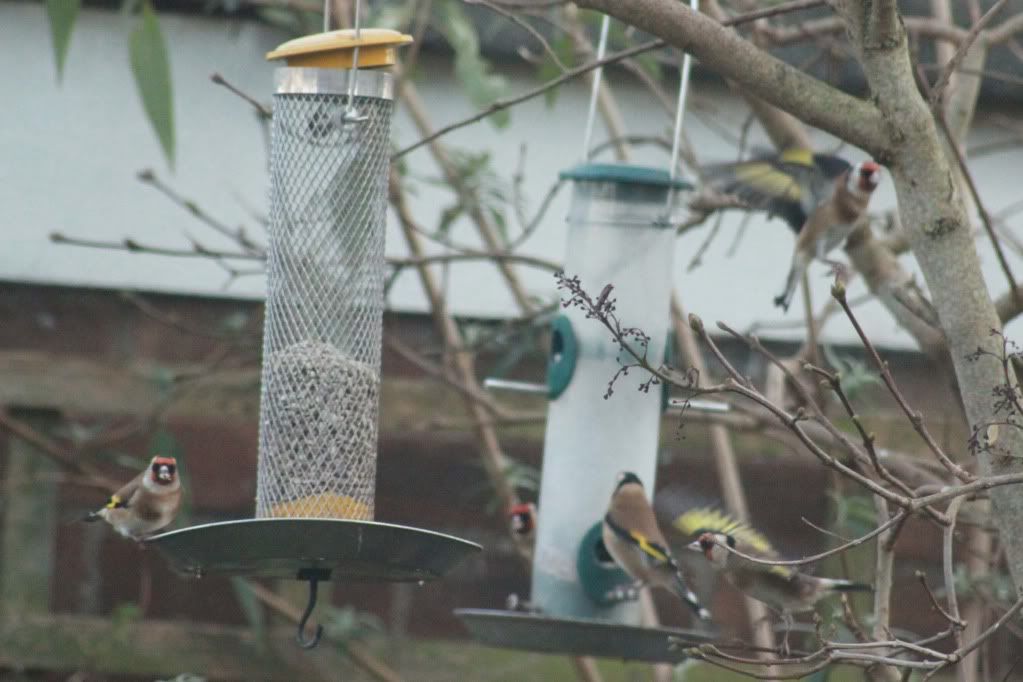
However, occasionally, for apparently no reason, one can take offence at another:


.
A skirmish on the feeder can then often ensue:
.
.
The skirmish then increases as the birds start to move off the feeder
.
.
Before taking the argument into the air
.
.
And eventually away from the feeders.
.
.
Any opportunist Goldfinches,  watching the argument from a branch nearby, can make the most of the situation:
.
.
 With the two trouble makers no where to be seen and the new arrival making most of the opportunity, it seems peace has returned to the feeders, at least for a short while......
.
.
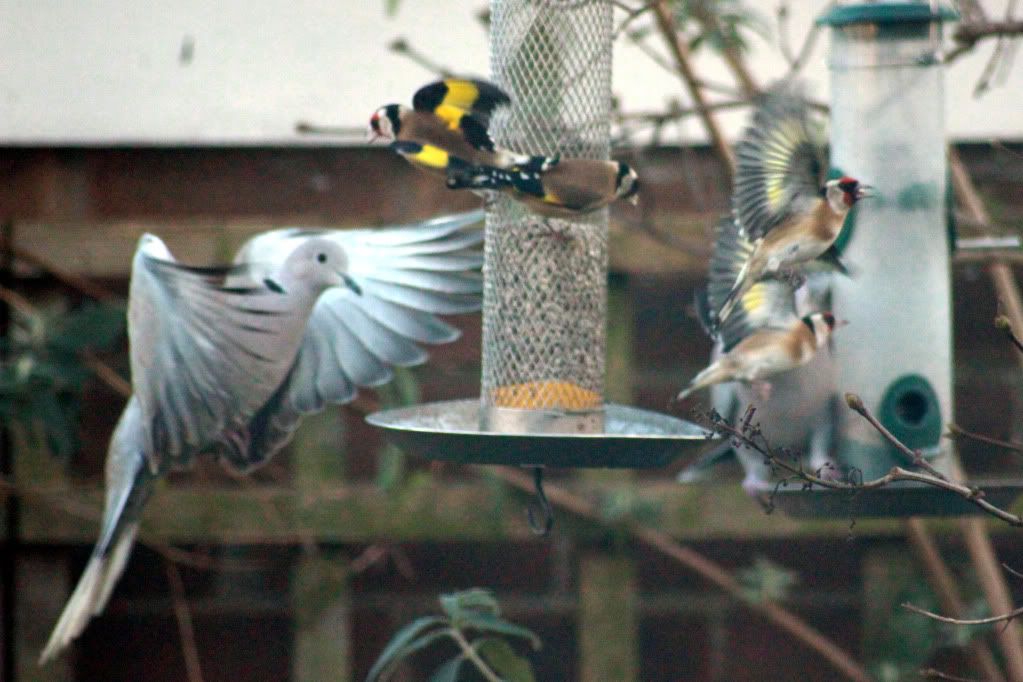
.. That is until a collared dove turns up:
.

Sunday, 23 October 2011

More signs of autumn

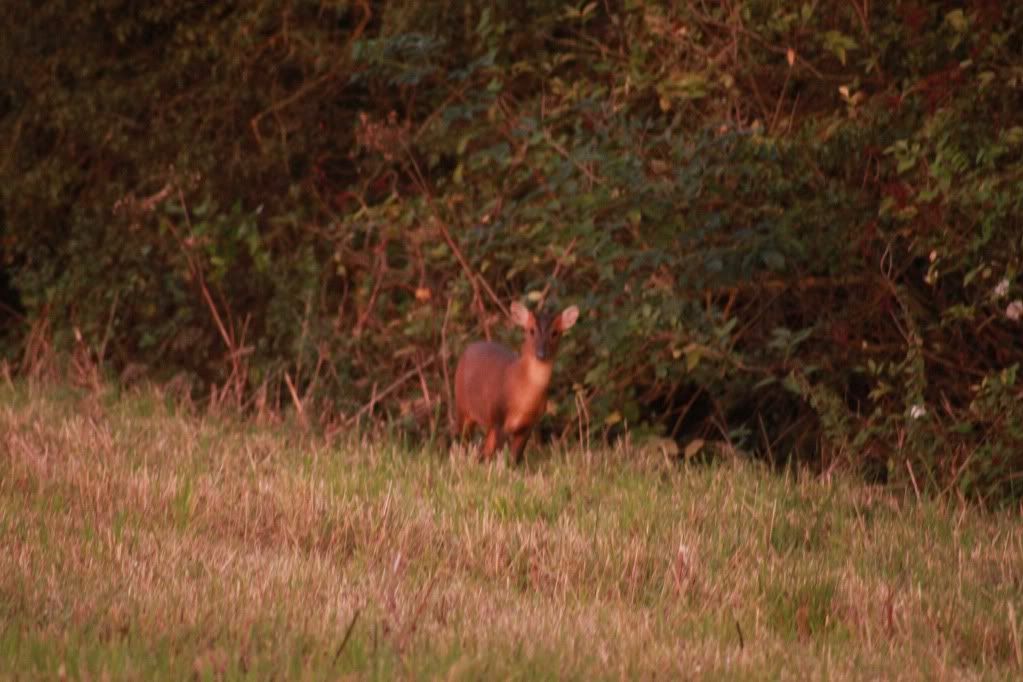
The recent dark and cold evenings mean the opportunities for wildlife watching on the river get reduced by the day and the chances of seeing water vole, an otter or a kingfisher become virtually impossible (although the chances of seeing an otter are very low at the best of times). Even so, the occasional muntjac deer stumble into view - even if it requires a high ISO and slow shutter speed.
.
.
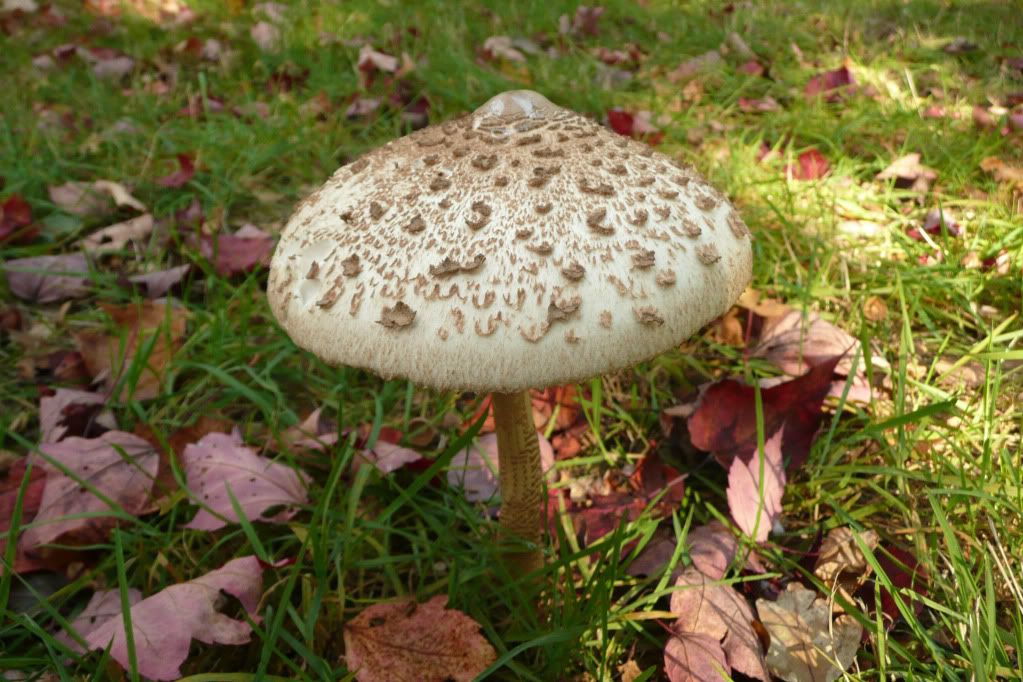
However, autumn does provide other opportunities for the wildlife enthusiast in Oxfordshire. There are many sites which are just abundent in Fungus, including what seems to be a parasol mushroom growing at Harcourt Arboretum. 
.
.
It's not just woods where fungus can be found, this 'Dead Man's Fingers' is growing in our garden.  It can be differentiated from the similar looking 'Dead Moll's Fingers' by bending the stem, which breaks (rather than bouncing back).
Whilst a lot of fungus only produce their fruiting bodies in autumn, this one can be found all year at the base of dead wood, but it has taken the seasonal clearance of the garden to find it.
.
.
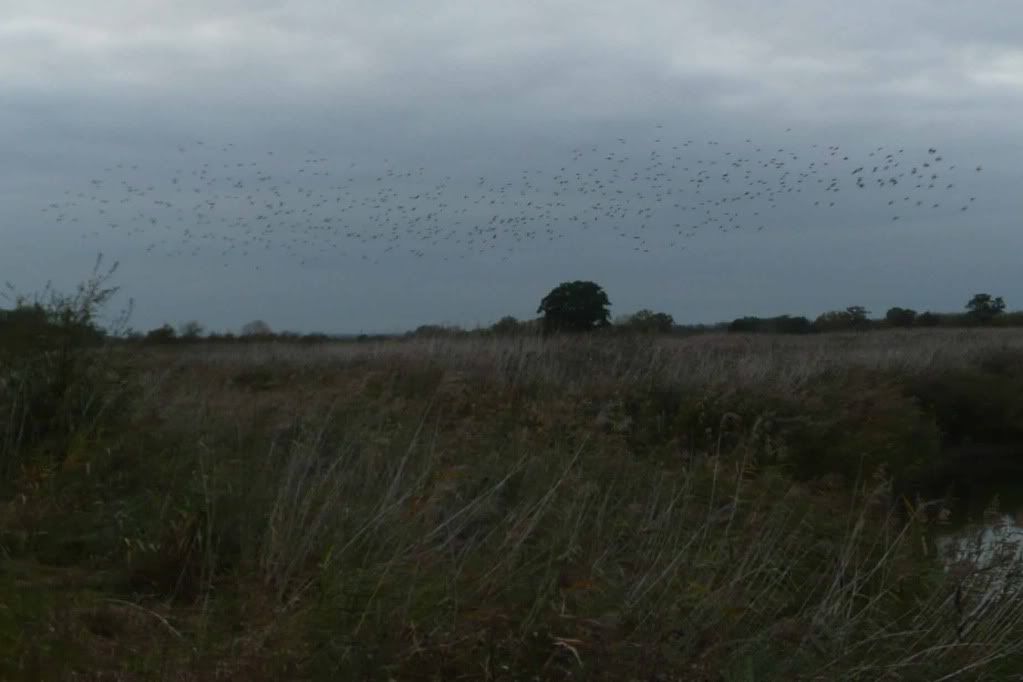
Over at Otmoor, the starling murmurations are just starting and although they are not yet near the vast numbers that can congregate there, it is still an impressive sight on a cold autumn evening:
.

Wednesday, 28 September 2011

Return of the Sparrowhawk

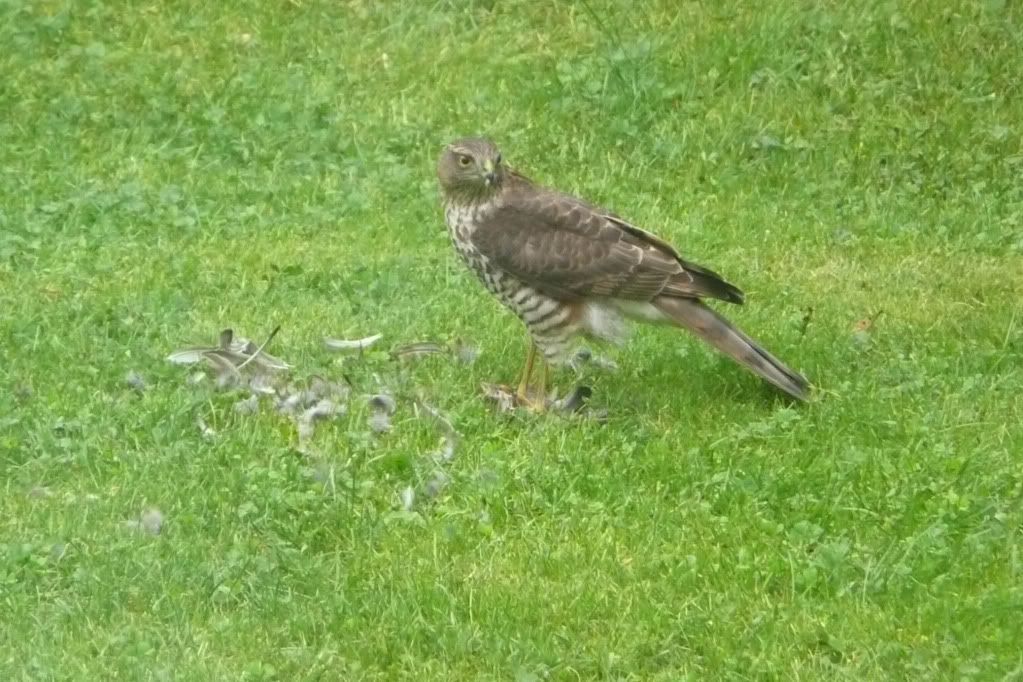
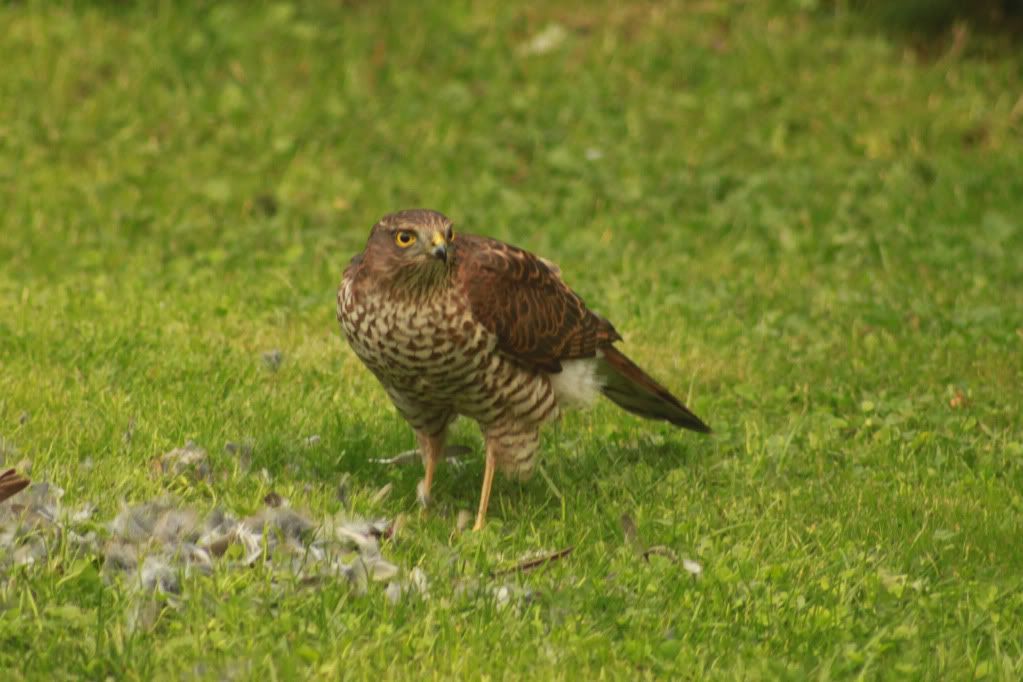
Sparrowhawks are infrequent visitors to our garden, the previous visitor has been an adult male - with a grey back and an orange front.  But this one is different: 
.
.
The brown back and brown front indicate it could be a young male, maybe even raised by the mature male which lasted visited the garden back in October last year (http://viewsoftheock.blogspot.com/2010/10/birds-of-prey.html).
.
.
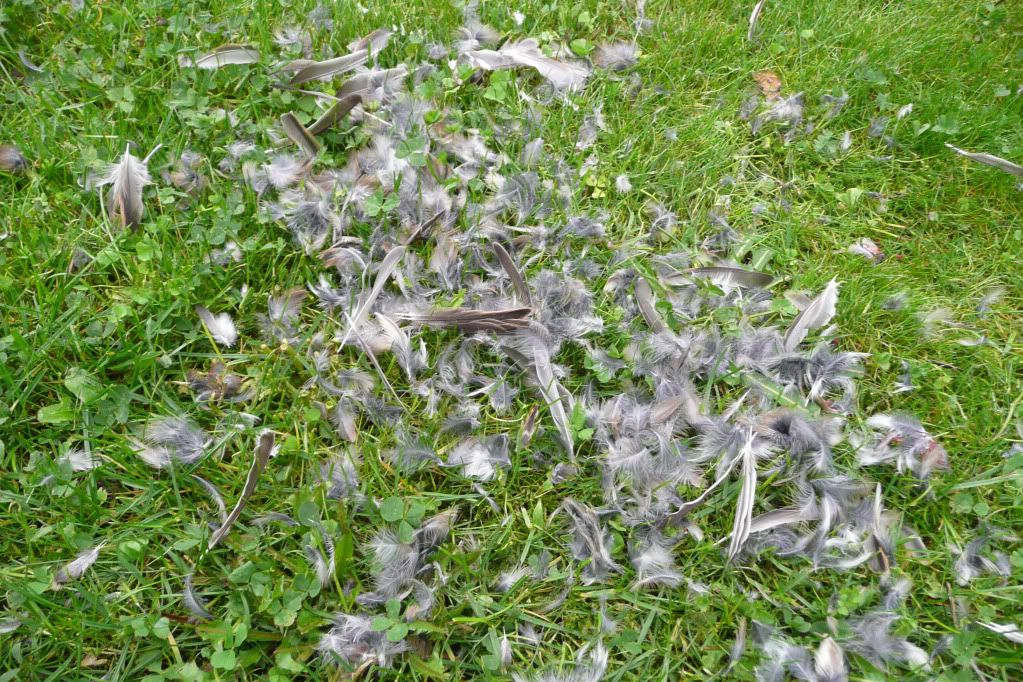
Judging the pile of feathers, it seems to have successfully mastered the skill of  hunting and from the remains, it seems it's victim is a house sparrow or a dunnock.
What is interesting is the complete lack of bones and internal organs, just feathers - the sparrowhawk had consumed it all.
.
.
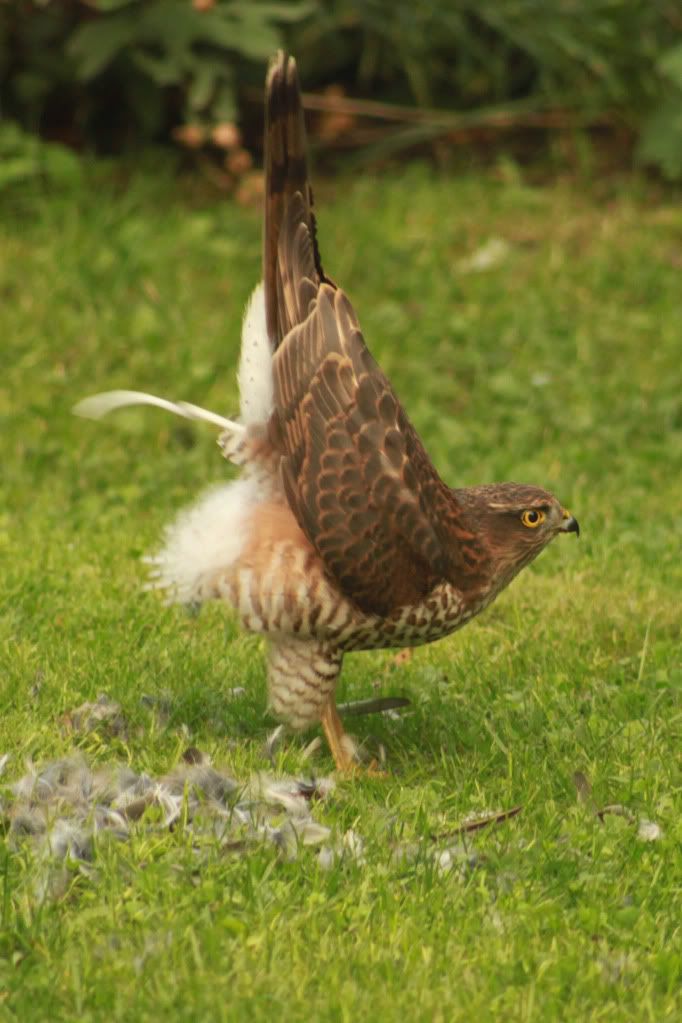
What is also surprising was nonchalant it appeared, occasionally looking up as it devoured it's unfortunate victim for several minutes and then giving a glimpse of some seldom seen behaviour before leaving:
.

Sunday, 26 June 2011

Weekend Bumblebees

The hot weather this weekend has been an ideal opportunity to look for bumblebees and the wild flowers that grow alongside the river are perfect location.
Trying to identify bumblebees can be difficult as not only do several species have the same colour, but the same species can have different colours - so clarifications and corrections are most welcome.
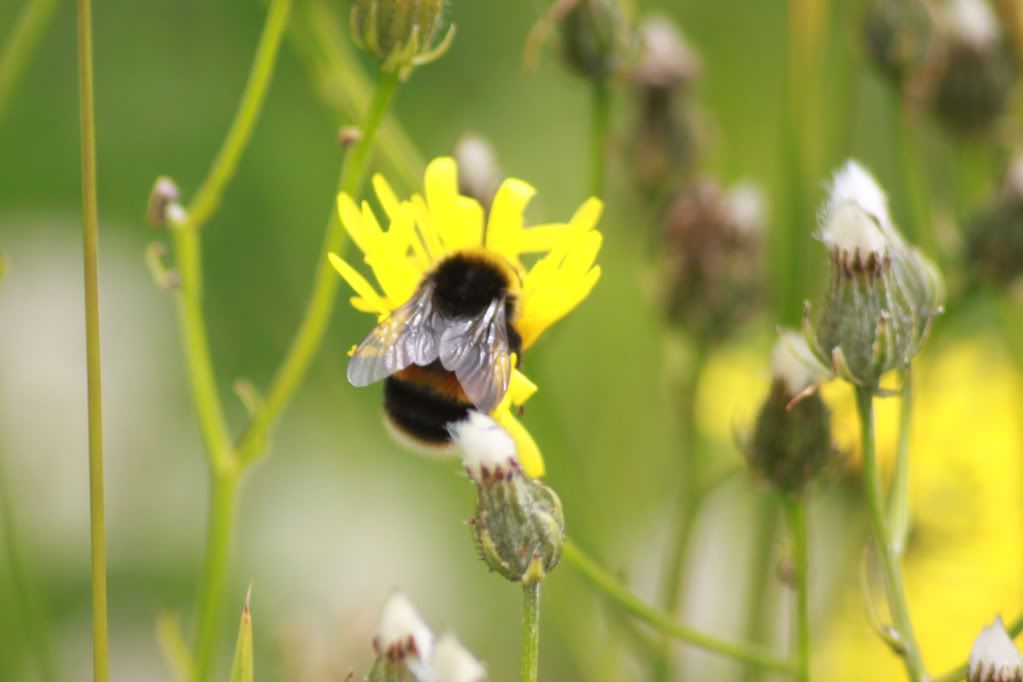
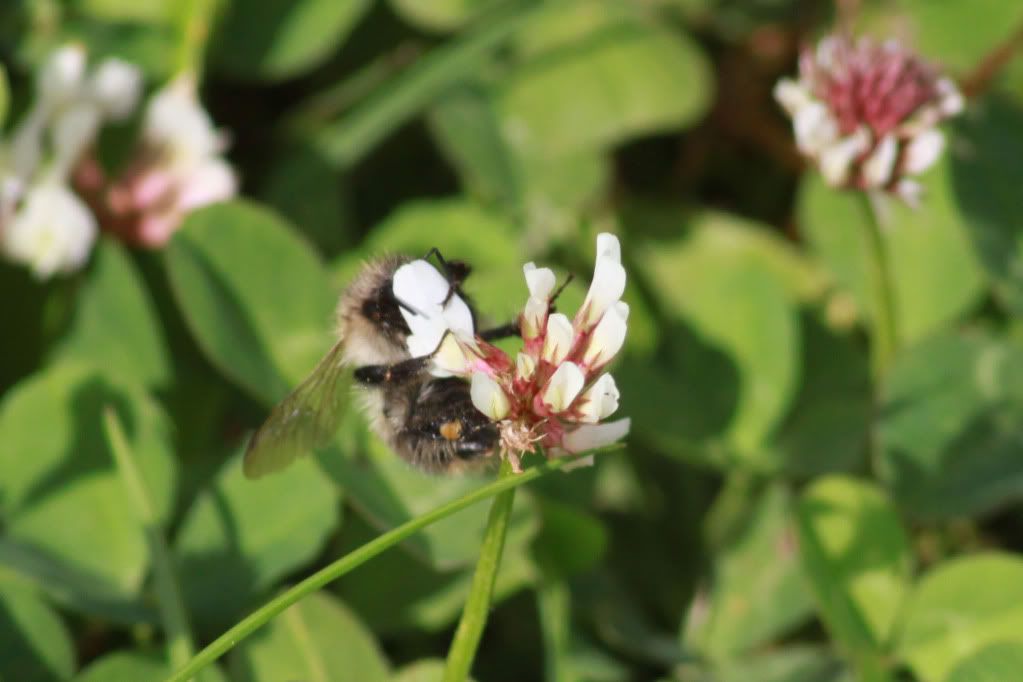
This one is a female worker, probably a white tailed bumblebee (Bombus lucorum) -although garden bumblebees look very similar.
.
.
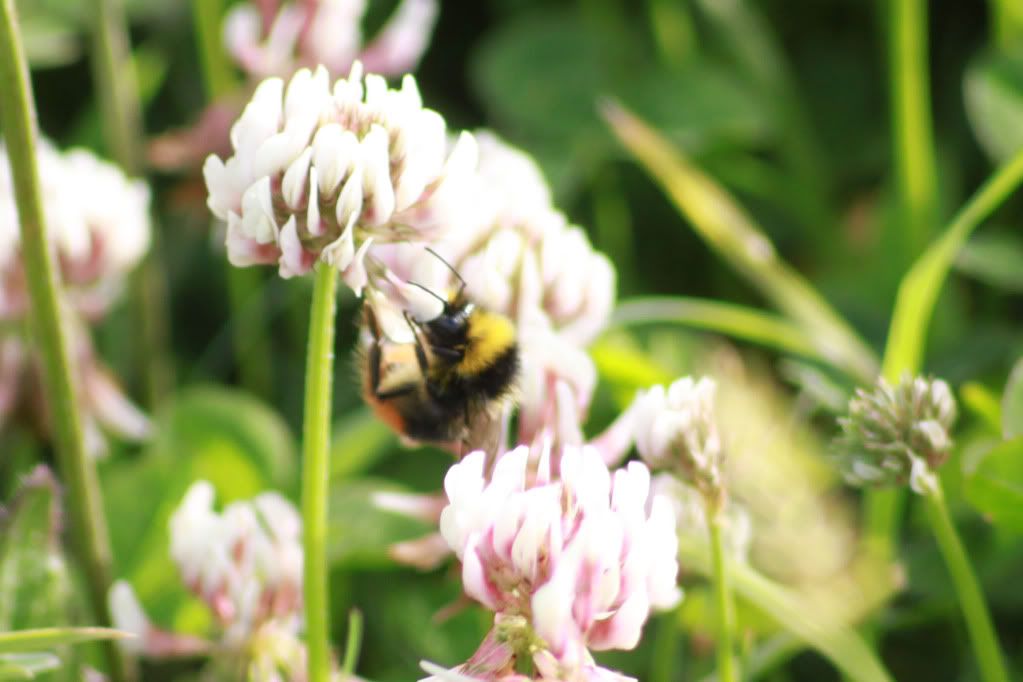
Although a nunesance in a lot of lawns, the flowering clover is particular attractive to bumblebees especially this female common carder bee (Bombus pascuorum):
.
.
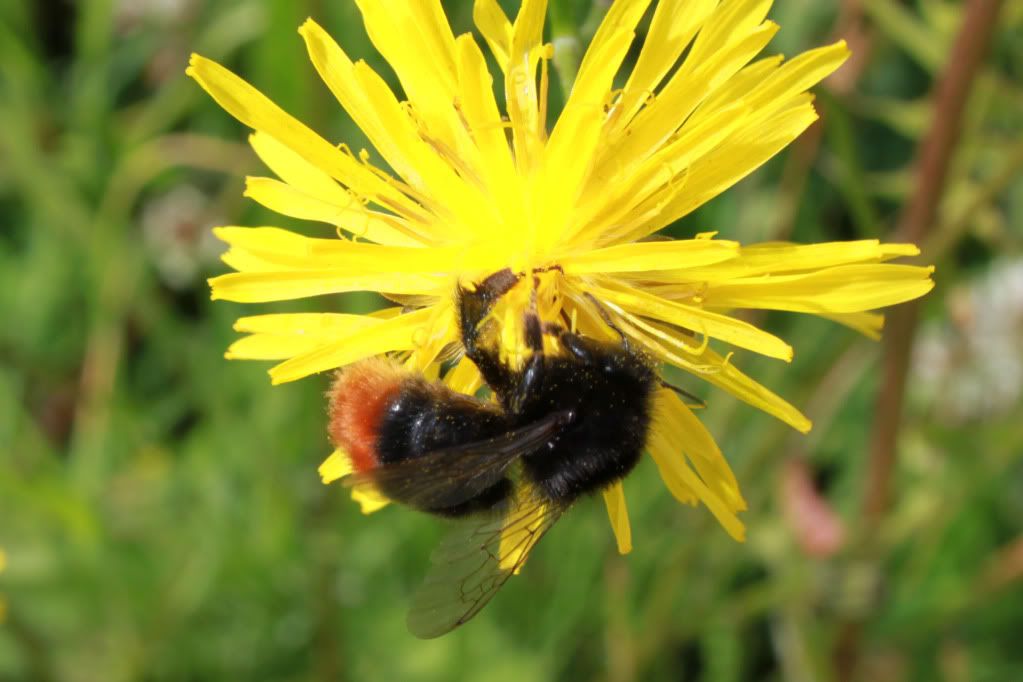
With it's black body and red tail, this female worker is probably a red tailed bumblebee (Bombus lapidarius):
.
.
Although this bee has different colours, it is probably the same species as the red tailed above, but this is a male.
.
.
This bumblebee is probably a queen, as it is a lot larger than the males and workers.  The red tail would suggest that it is also a red tailed bumblebee.  But the dark wings could indicate that it is actually a cuckoo bumblebee (Bombus rupestris):
.
Thursday, 23 June 2011

Lesser stag beetles

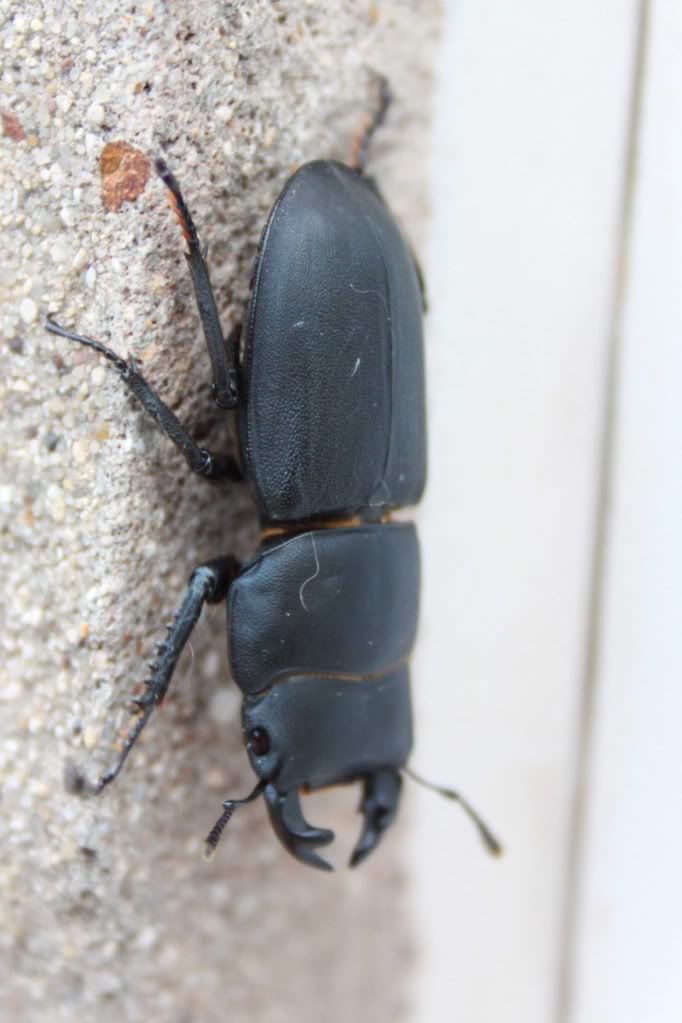
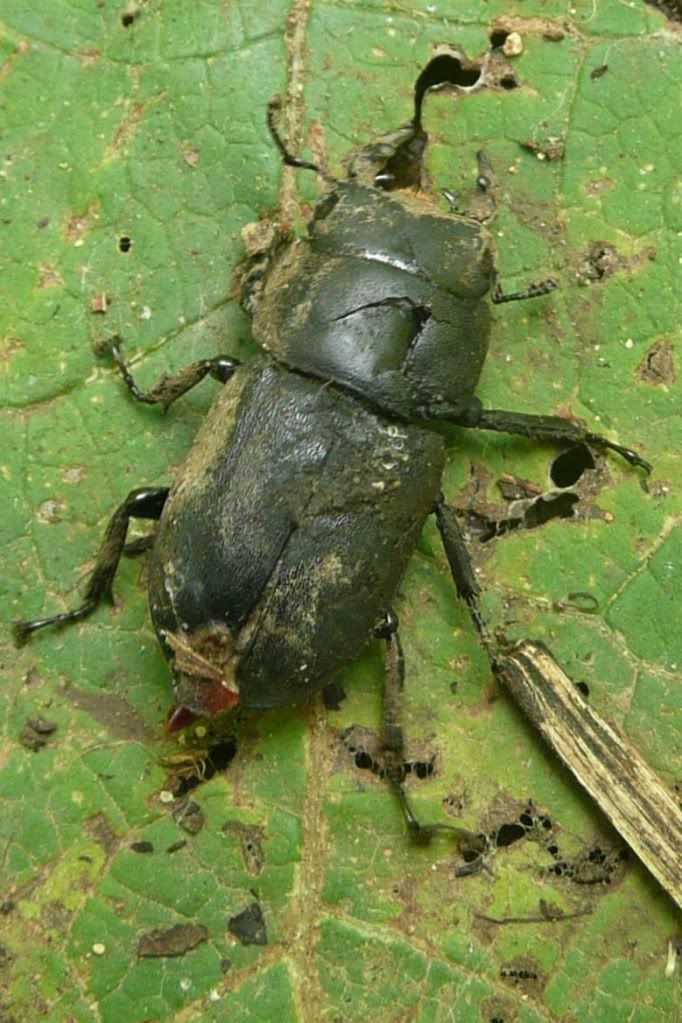
At first glance, this rather impressive insect could be a female stag beetle. It's the same size - almost 3cm long, has similar jaws and almost identical wing cases and thorax.
.
.
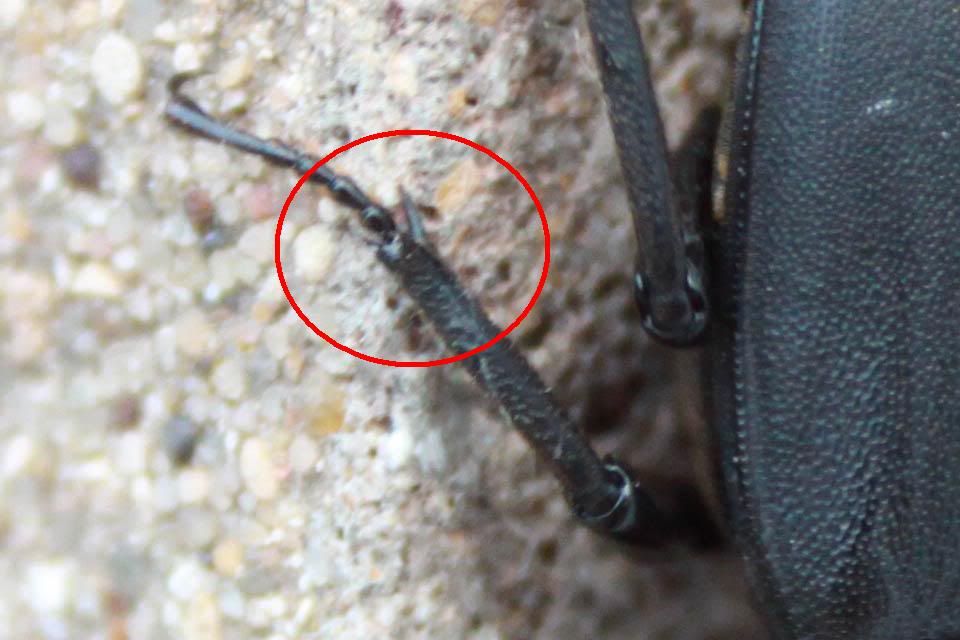
The stage beetle has three spines on the middle segment of it's leg, yet this one only has one. Which according toe the Collins Complete Guide to British Insects identify it is a lesser stag beetle.
.
.
This one was on our patio doors, so it could have recently emerged from our log pile, as they spend up to four years as grubs, feeding on dead wood before pupating. It can then spend up to a year it's adult form as it seeks a mate.
Another encounter with a stag beetle and the fate of this one is less certain. Seen on the Thames path, it has either been attacked by a bird, or more likely, squashed by one of the many walkers who use the path.
.

Wednesday, 9 February 2011

More garden birds

bThe past few days has seen some of the regular visitors that did not drop in during the big garden birdwatch:
.
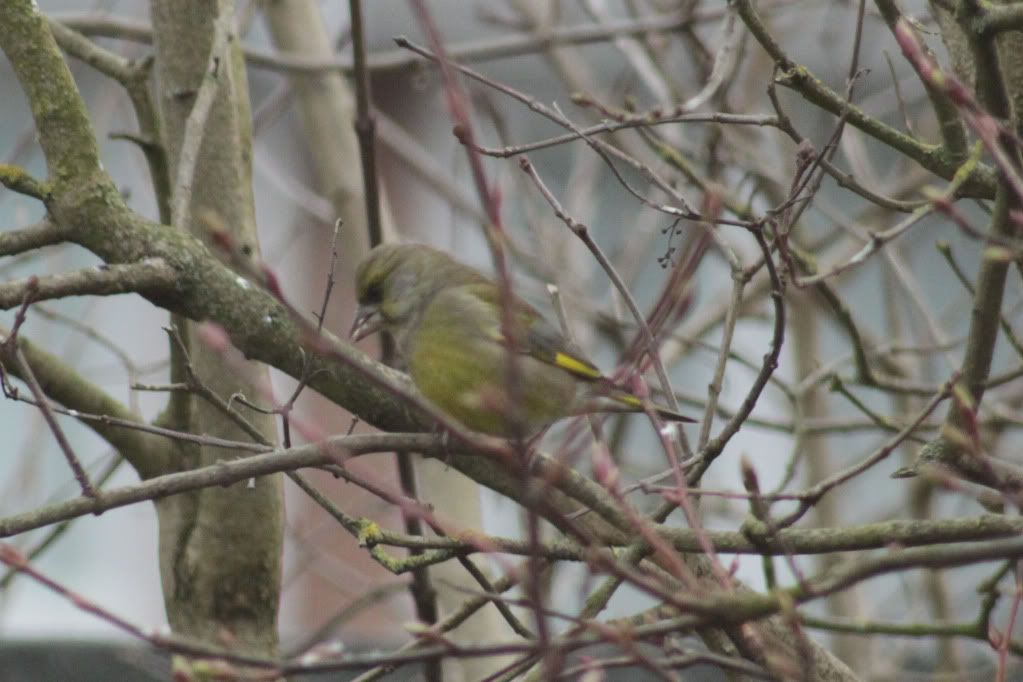
Greenfinch: There are usually two greenfinches in the garden - a male and a female, according to my RSPB Handbook of British Birds, the population of greenfinches fluctuates by the general trend is up - possibly helped by the trend of people putting out suitable food, like sunflower hearts.
.
.
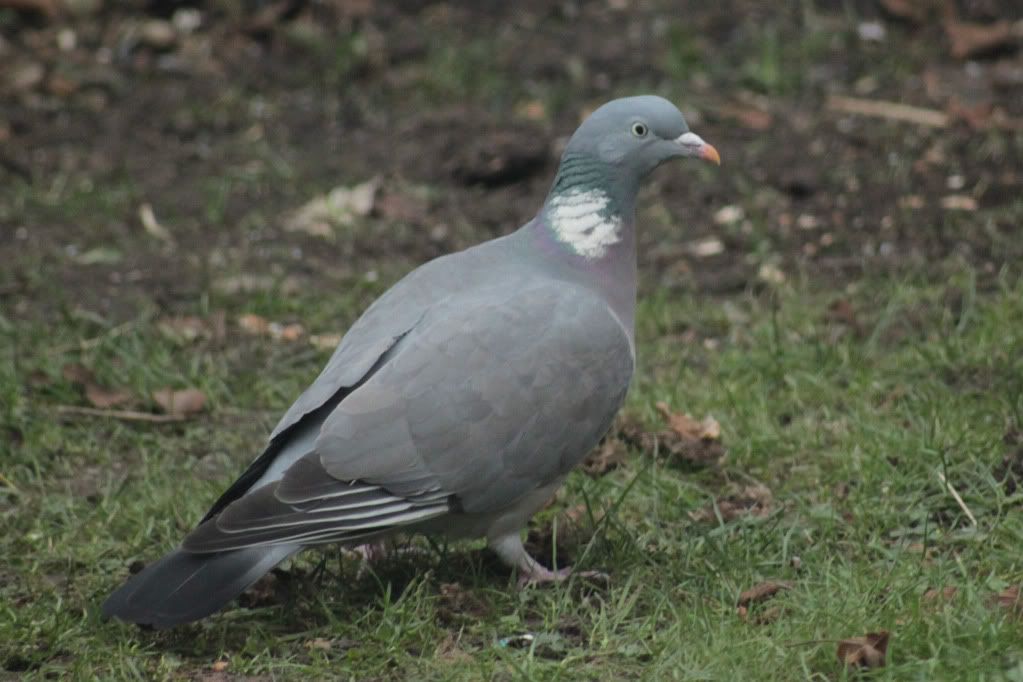
Woodpigeon: Several woodpigeons often frequent the garden, seeming to hoover up seed dropped from the feeders.
Woodpigeons are one of the success stories of the UK's move to intensive agriculture (especially now agricultural chemicals are now more controlled) and now seen as pest to some crop growers and gardeners.
.
.
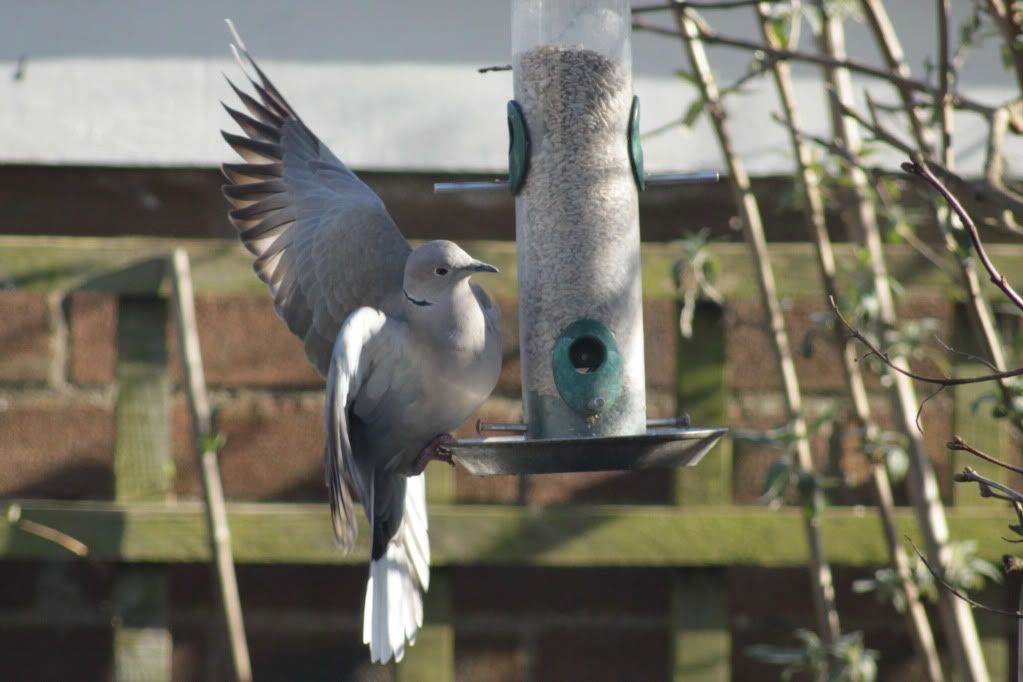
Collarded Dove: An ungainly visitor to the sunflower heart feeders.  There are up to four of them at anyone time, but what is interesting is that they didn't breed in the UK until 1955, when a pair nested in Kent, there are now an estimated 295,000 territories in the UK.
.
.
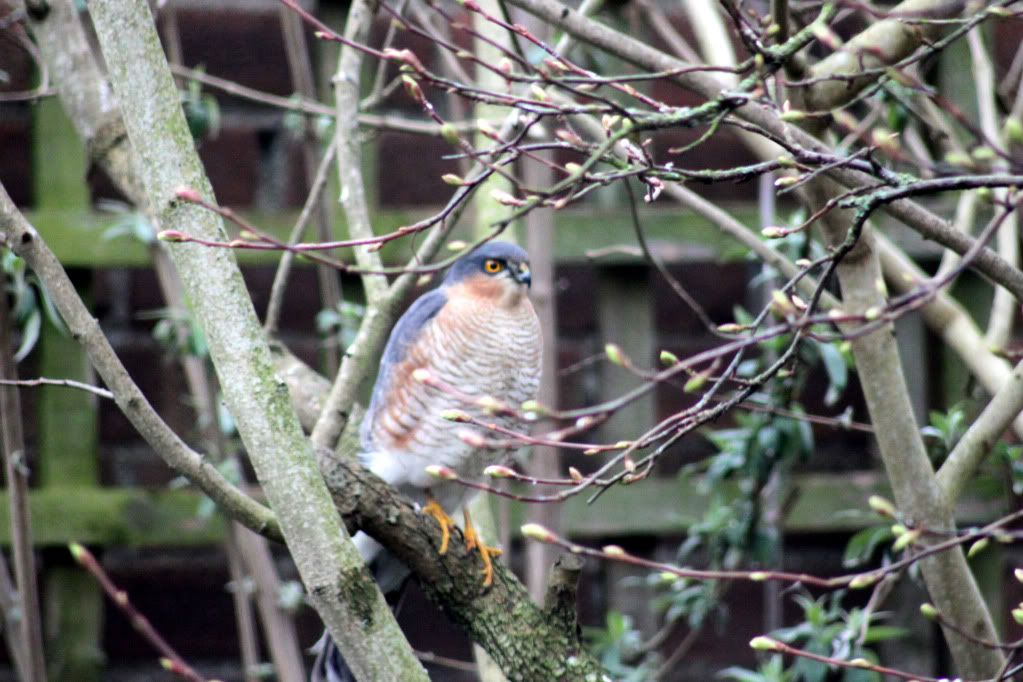
Sparrowhawk: This magnificent male sparrowhawk has previously featured in this blog and is seen about once a month, in the same place and never with the signs of a kill. Always a pleasure to see it, but if it had shown up during the big garden birdwatch then the number of birds counted would have probably have been considerably lower.
.

Thursday, 7 October 2010

Tipulidaeophobia

Although they can be seen in summer, one of the obvious signs of autumn is appearance of crane-flies. Having spent the past 12 months as larvae (known as leatherjackets) living under soil and eating the roots and stems of grasses (much to the annoyance of many gardeners) they emerge in their adult form in early September and can often be seen up to the first frost of the year.
Crane-flies are the family Tipulidae and there are over three hundred different members - their distinguishing features being the long abdomen and a V shaped grove on the thorax.  
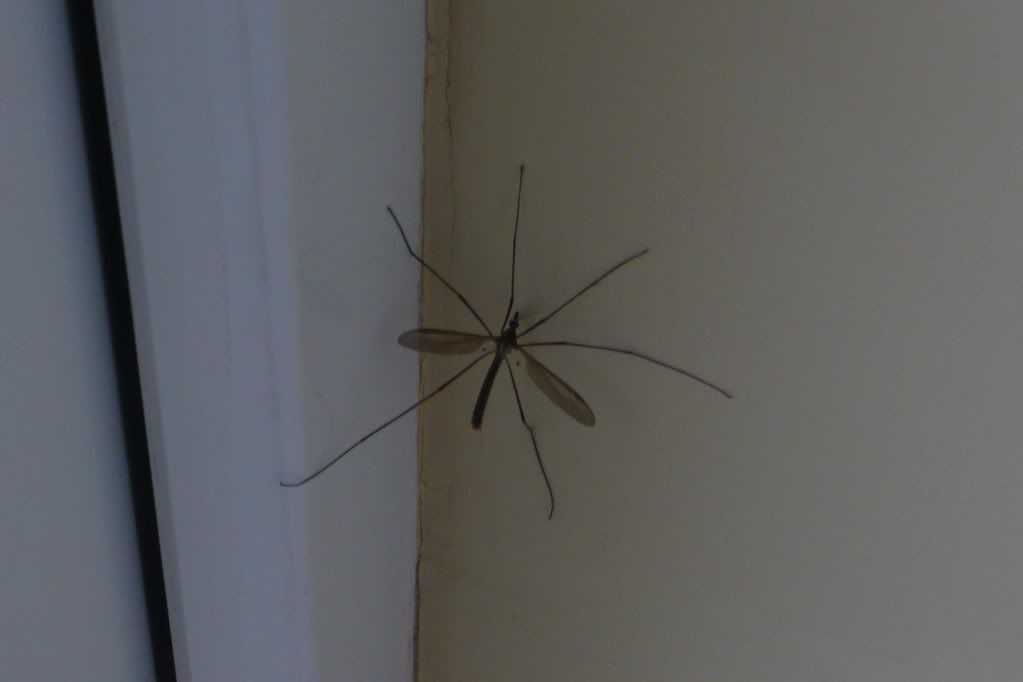
They range in size from the mosquito sized to the classic 'daddy longlegs',  like this Tipula Maxima residing on our patio door:
.
.
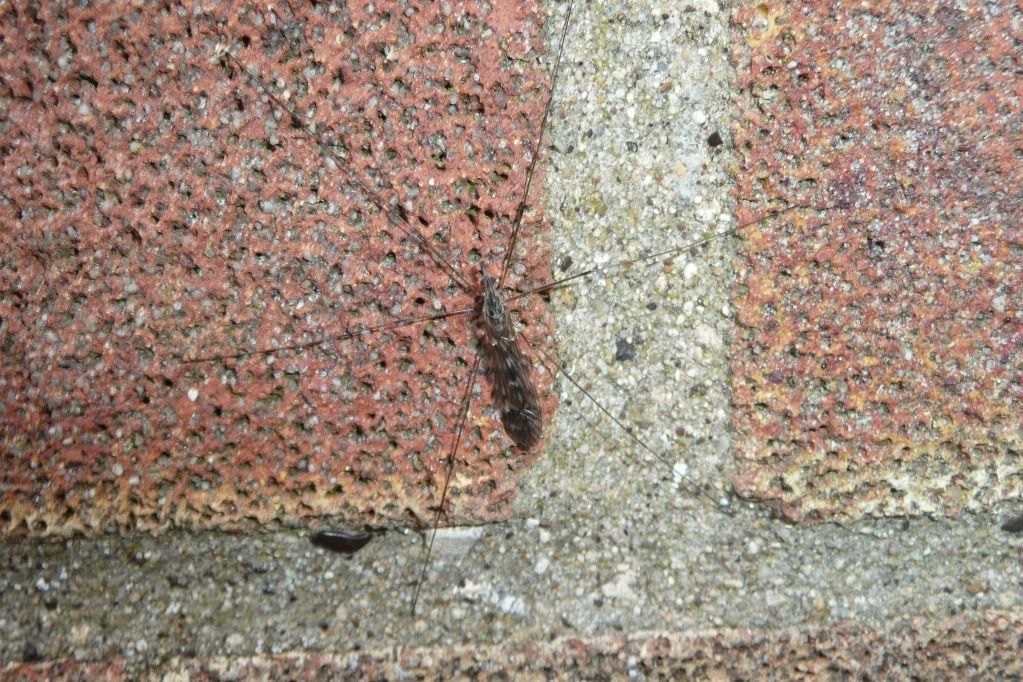
Another common variety is what seems to be a 'spotted crane fly', with it's wings folded rather than outstretched. Unfortunately, unlike butterflies there are no well illustrated field guides to crane-flies, so please correct me if I've miss-identified).
Correction: This is not actually a crane-fly, but a  member of the Limoniidae family (possibly Limonia nebeculosa)  Thanks to Wild About Britain for the identification.
.
.
Unlike some adult insects (mayfly, for example) crane-flies do have mouth parts and can feed on nectar, but quite often they will breed and die without feeding.
This blog post actually has been an ordeal to write as I have a profound fear of crane-flies. Hence the title,only two pictures and a complete lack of macro photographs - when I was young I couldn't even look at a picture of one.  
I had hoped taking photographs and researching would help me understand and appreciate them and although I no longer have panic attacks, I still absolutely loath the creature.

Thursday, 5 August 2010

Bees in the Garden

This time of year can be very difficult for an inexperienced amateur to try and identify bumblebees. First generation workers are looking faded, second generation workers are more colourful, next years queens have taken to the wing, emerged males can look totally different to the female of the same species and just to add to the confusion cuckoo bumblebee queens look remarkably (but slightly different) to the hosts whose nests they hope to parasitise next year.
Unlike the nearby meadows, which have mostly turned to seed, the plants in the garden are still in flower and providing an a source of food to the bees and so it is an opportunity to use the 'Field Guide to Bumblebees' (Edwards & Jenner) to try and identify them.
.
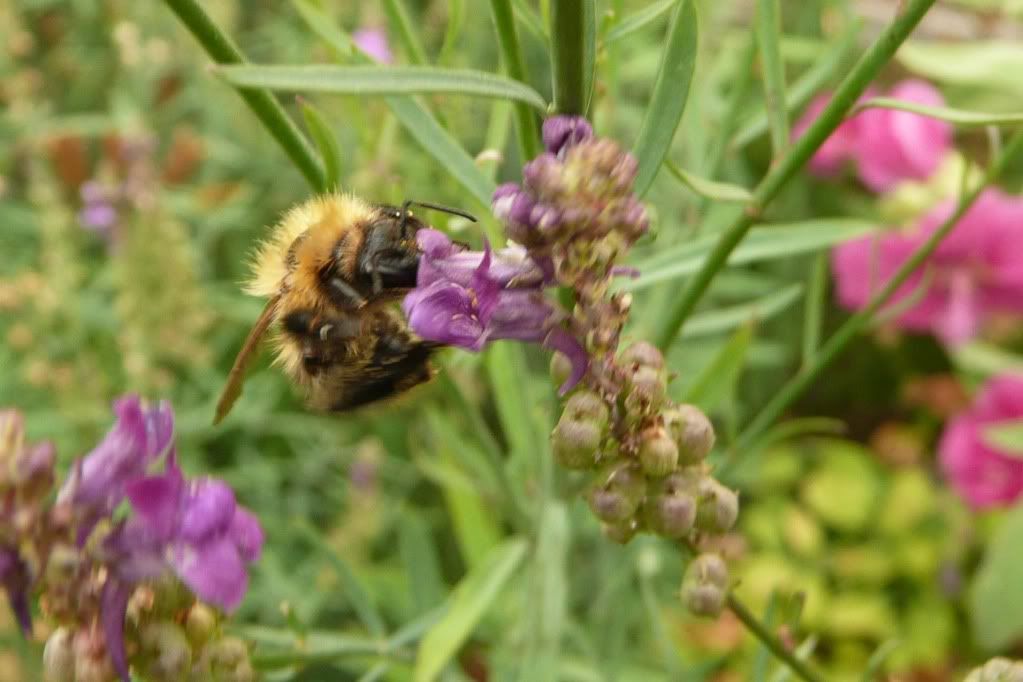
A common carder bee on purple toadflax - an annual that seems to attract more bees than any other flower in the garden:
.
.
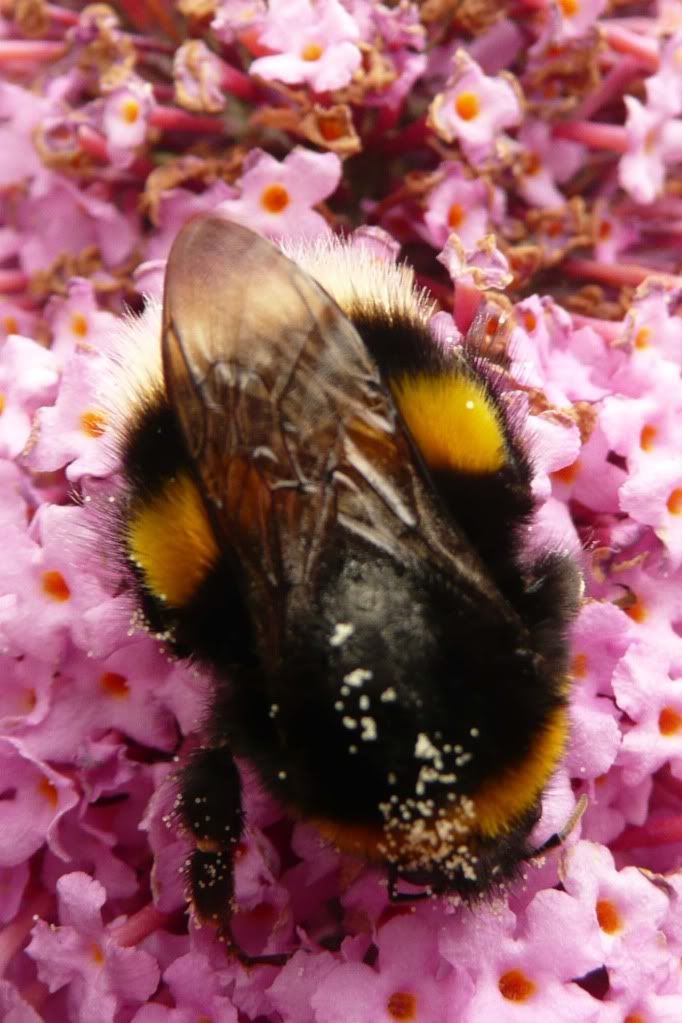
On the buddleia, what appears to be a queen buff tailed bumblebee; differentiated from a white tailed bumblebee by the thin yellow line above the white tip of the abdomen.
.
.
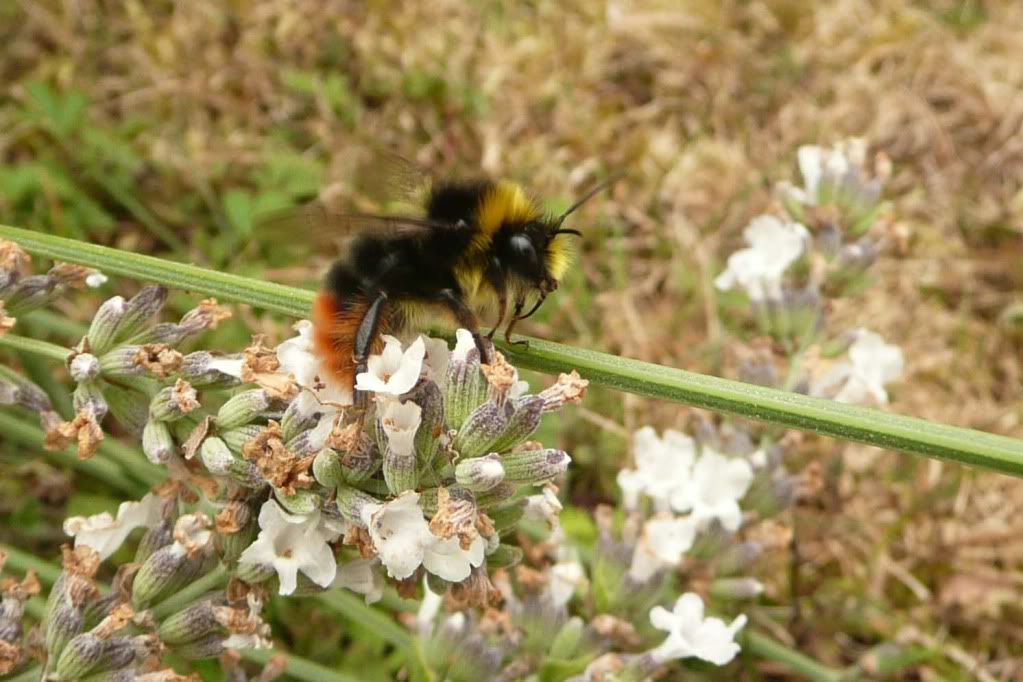
On the lavender, a male red-tailed bumblebee, it differs from the females by the yellow markings on the thorax and head.  Also, males don't collect pollen and don't sting.
.
.
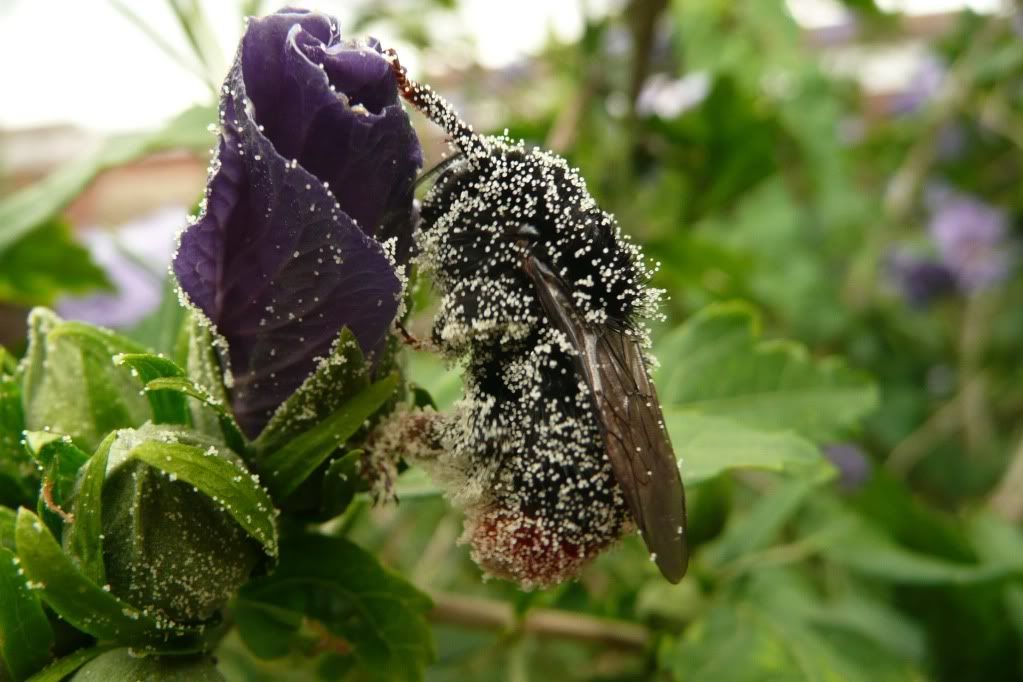
A queen red tailed bumblebee is usually easily identified, but when she is covered in pollen from the latvatera it becomes a bit more difficult.
.

Monday, 29 March 2010

Ostracods

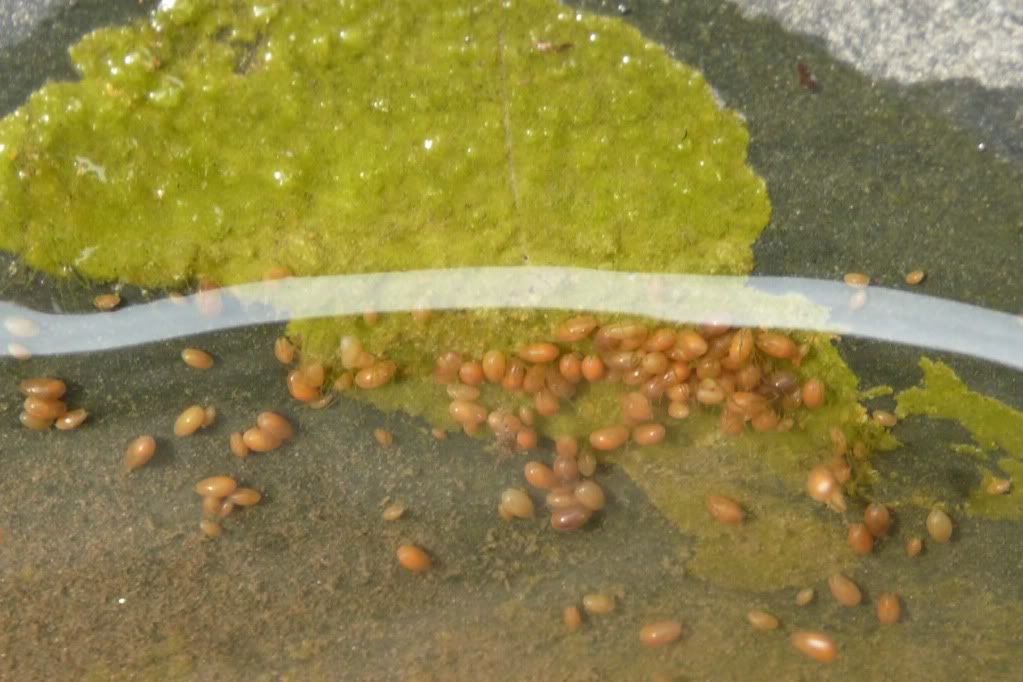
Ponds throughout the country are starting to fill up with frogspawn, but not in the new one in the garden.  However, another creature does seem to be thriving:
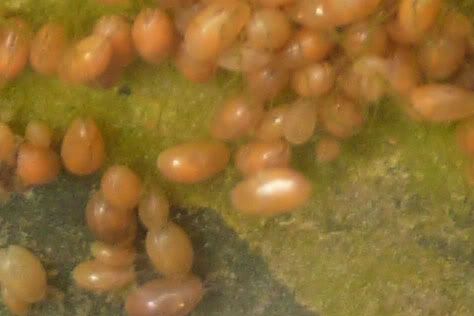
About 2mm in size, a highly magnified picture (done via photo editing software) shows they look like very small baked beans.


Thanks to the Wild About Britain forum they have been identified as a ostracods, a small crustacean, of which there are an estimated 10,000 different species.

The defining feature of ostracods is the shell that covers most of the creatures body, form which limbs protude.  A quick internet search shows ostracods are a very popular area of research - different species can be herbivores, parasitic and predators.  Predatory ostracods can attack in groups, eating their prey alive. 
But the ones in pond seem to be congregating by some algae, so it is a reasonable assumption that the pond snails are safe. 
As it is a new pond, it is most likely they arrived on the legs on one of the several birds that drink and bathe in the pond.


Perhaps it's time to invest in a microscope.....

Thursday, 14 January 2010

Garden Birds

With the cold weather continuing, numerous birds have visited the garden. Some regulars, some not
A first for our garden are redwings.  A winter migrant that is normally found in hedgerows and judging by internet postings  they (and fieldfares) are moving into gardens in their droves.


Collard doves have become more frequent visitors over the past few months, especially now they have mastered the bird feeder:


Blackcaps are very rare visitors, so I took the opportunity to try and get a picture - even if it meant I was late for work


Two goldfinches enjoying the same feeder some time later, although the number of goldfinches in our garden has declined.  In previous years we've had up to 10 , now we are lucky if we get a maximum of 4 (maybe they've just found a better source of food).


This is all practice for the RSPB's Big Garden Bird Watch at the end of the month: http://www.rspb.org.uk/birdwatch/
It will be interesting to see if the visiting redwings and fieldfares remain long enough to be counted and to see if anyone else has seen a decline in goldfinch numbers.

Since my previous post, several articles have subsequently been written about this spell of cold weather including this one by Simon Moss: http://news.bbc.co.uk/today/hi/today/newsid_8455000/8455832.stm
It seems I am wrong about the impact on some birds of prey, Simon Moss argues that the cold weather will increase their food supply as more animal succumb to the cold.  Although I haven't seen any red kits or buzzards in recent weeks - perhaps I have not been looking hard  enough.

Thursday, 5 November 2009

Rat-tailed Maggots

A few months ago we decided to build a wildlife pond in our back garden and already wildlife has started to move in. From the goldfinches and sparrows who drink and bathe in it, to the almost microscopic mites that swim around.  
However, I have recently noticed an abundance of a new species....


Having posted the pictures on the Wild About Britain Forum, they have been identified as Rat-tailed Maggots, the larvae stage of the Hoverfly (Eristalis tenax), also known as Drone-fly.
A quick search of the internet reveals some fascinating facts about the creature:
The part that looks like a tail is actually a breathing tube acting as a type of snorkel, although it does seem to be used for manoeuvring.  Apparently they can reproduce 'paedogenetically', where the larvae themselves produce more offspring without having to become adults - which may explain the sudden abundance of them in the pond.
They also prefer  oxygen-deprived water, with a high organic content (or 'foul' as English Nature would describe it), this may suggest the pond is not in good health...

When this larvae stage has completed it will pupate out of the water and then turn into one of these splendid insects: 
.

Picture by Fir0002/Flagstaffotos and is reproduced under the GNU Free Documentation License

References:
Wild About Britain Forum:
http://www.wildaboutbritain.co.uk/forums/index.php
North Carolina State University: