Friday, 12 August 2011

Rabbits

Introduced by the Normans when they invaded back in 1066, rabbits are now a ubiquitous sight in the meadows and fields throughout Britain:
.
.
By  the 1950's rabbits reached an estimate population of nearly 100,000,000 and were considered a severe pest for farmers, so myxomatosis was released. Having the desired affect of reducing the rabbit population by 99%.
This massive reduction in the rabbit population had various side affects on other species.
Perhaps not surprising, there was an initial increase in plant variety, but this was eventually replaced by scrub. Some invertebrates - snails, marbled white butterflies and burnet moths benefited from the increased grass, yet others - adonis and large blue butterflies suffered, as well as sand lizards and ground nesting birds through the loss of habitat.
Surprisingly, foxes were not drastically affected, as they changed to catching voles, but this had the side affect of decreasing owl populations who now had less voles to catch. 
Other predators of rabbits- stoats and polecats - suffered the largest decline in numbers as did red kites and buzzards
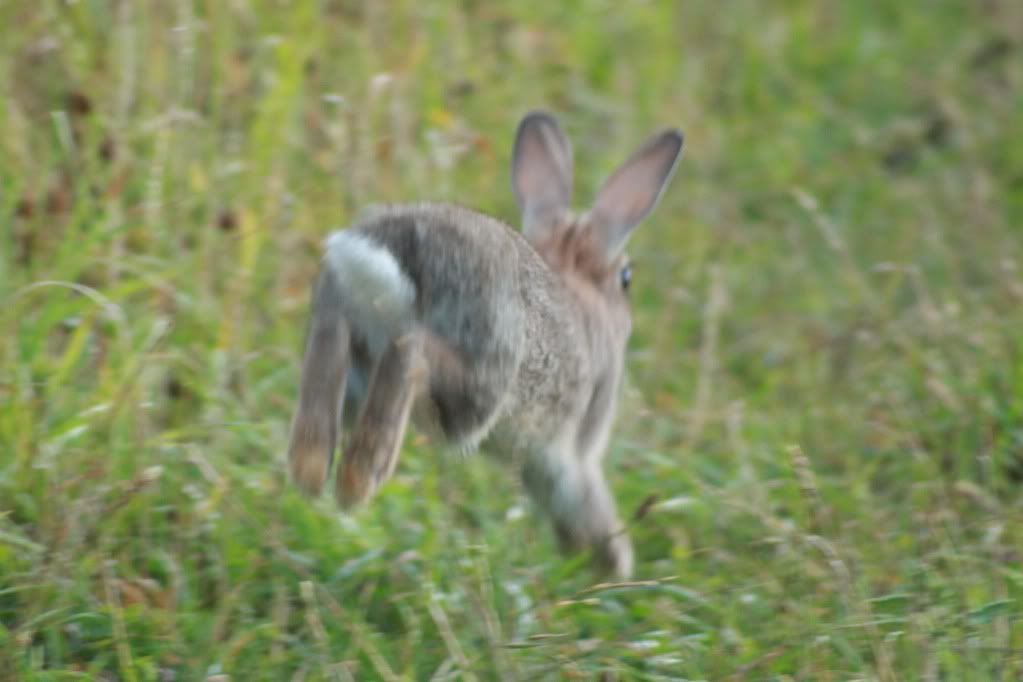
Eventually rabbit populations built up an immunity to myxomatosis (although there are still small outbreaks) and the population has returned to an estimated several million and can be seen dashing into the undergrowth near the Ock:
.
.
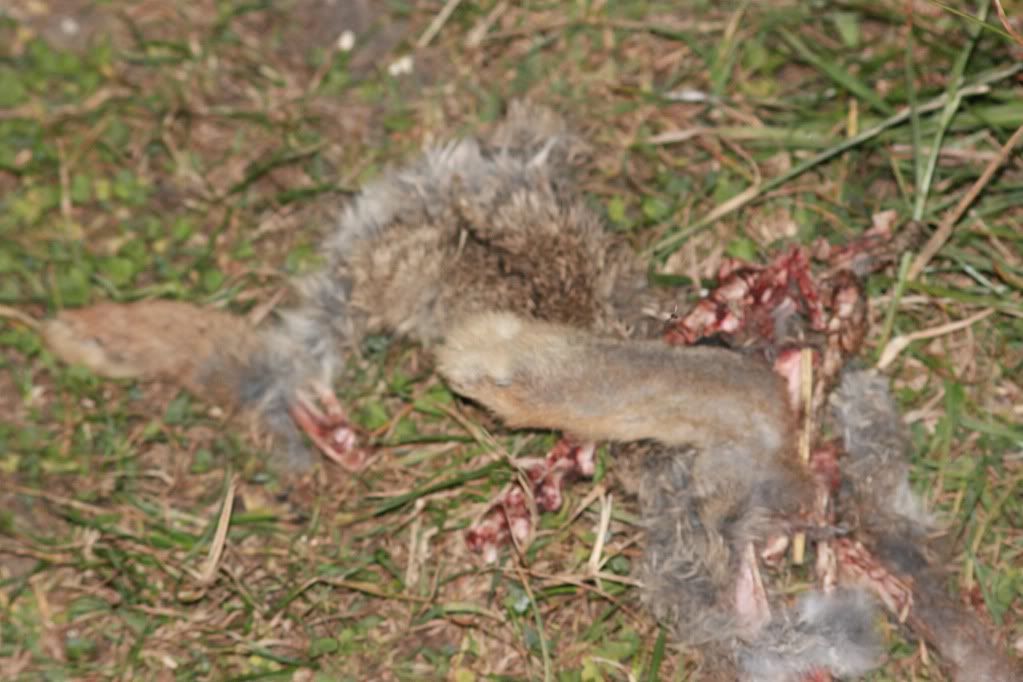
Not all rabbits are as quick and as rabbit numbers have increased, so have their predators:
.


References:
Collins complete guide to British animals
Mammals of the British isles (Mammal Society)

Wednesday, 3 August 2011

In search of sundew.

Whilst most plants gain their nutrients from the soil via their roots, others have have evolved to obtain theirs from other sources -  consuming insects.
Such insectivorous plants are the staple of wildlife documentaries,  so it somewhat of a surprise to find they can be found only of couple of miles from Abingdon. 
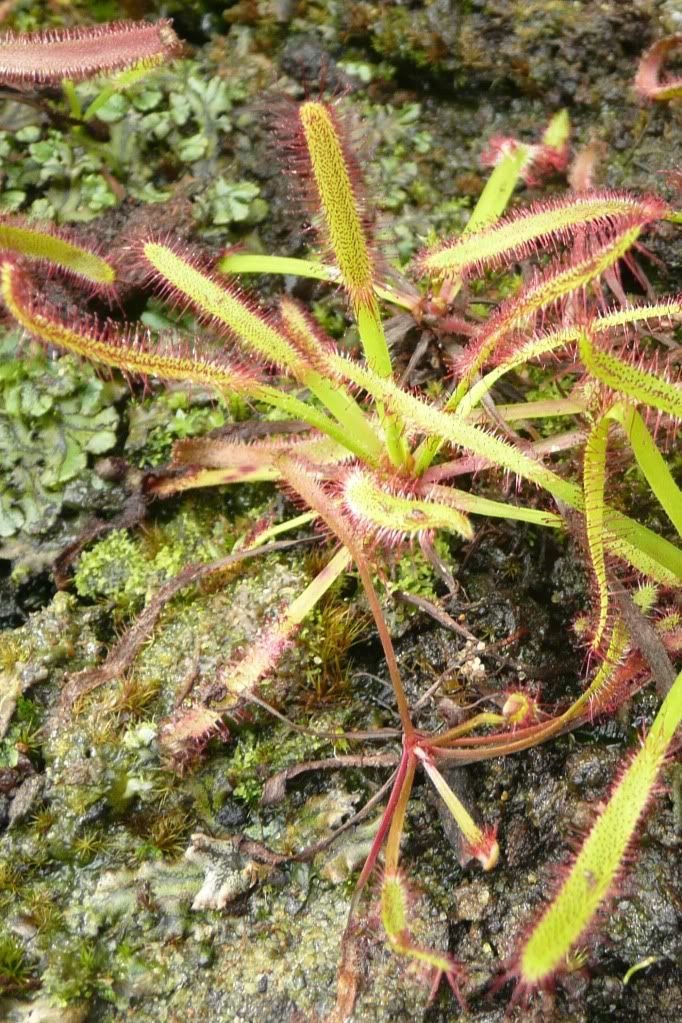
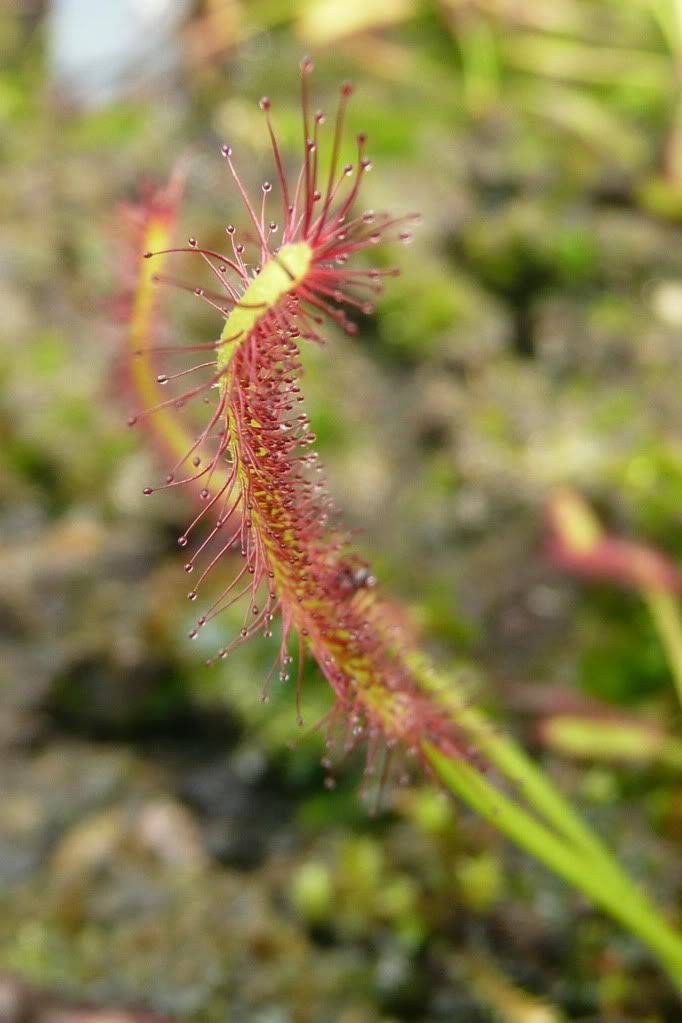
Growing in the fen at Parsonage Moor nature reserve is sundew.  A fascinating plant that secretes a glue from tentacles on it's leaves, which intices insects (which are fooled into thinking it is nectar) but instead of feeding, the unfortunate insect is stuck to the leaves, which slowly fold in as the insect is digested.
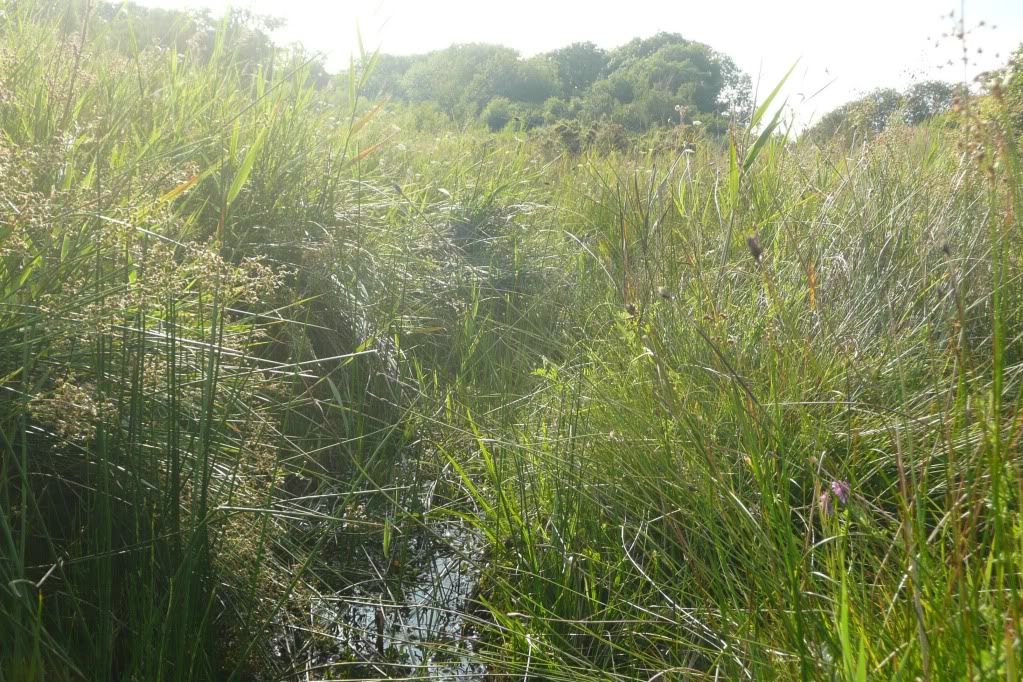
Parsonage Moor is part of the Cothill Fens network of nature reserves which are fed by  a series of springs, these feed into the Ock via Sandford Brook.  And trying to locate such a small, scarce inconspicuous plant  in such an environment is somewhat of a challenge - the fen is covered with tall reeds in which there are small pools where the sundew grow:
.
.
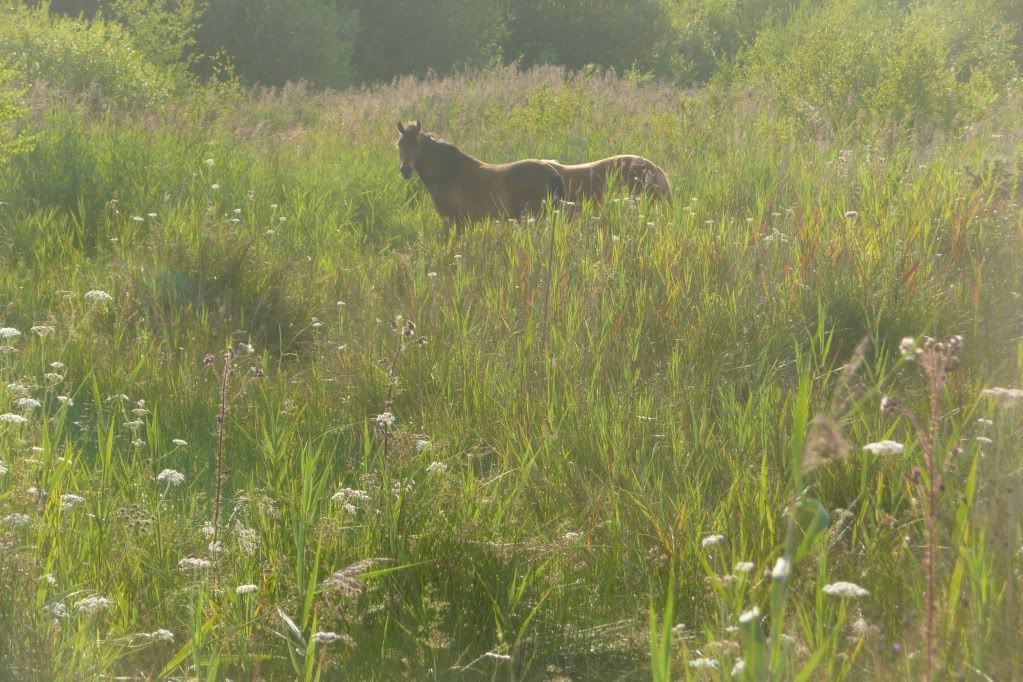
Although there are paths running through the fen, there is a risk of damaging the rare plants and insects which also inhabit the fen, as well as accidentally stumbling into some deep water or scaring the ponies which are used to graze the fen to control the scrub:
.
.
Fortunately another site exists in Oxfordshire where finding and photographing these remarkable plants is a lot more straightforward - the  Oxford Universitry Botanic Gardens, where there is an entire greenhouse devoted to insectivorous plants, including Sundew:
.
.

Thursday, 21 July 2011

Slime Moulds

Although not as dazzling as a kingfisher, as elegant as an orchid or impressive as an otter, slime moulds are possibly the most fascinating organism to feature in this blog.
Classification depends upon preferred text book, favourite biologist or wikipedia page of choice. Having previously been classified as fungus, recent DNA analysis has placed in a different taxonomic kingdom - protozoa.
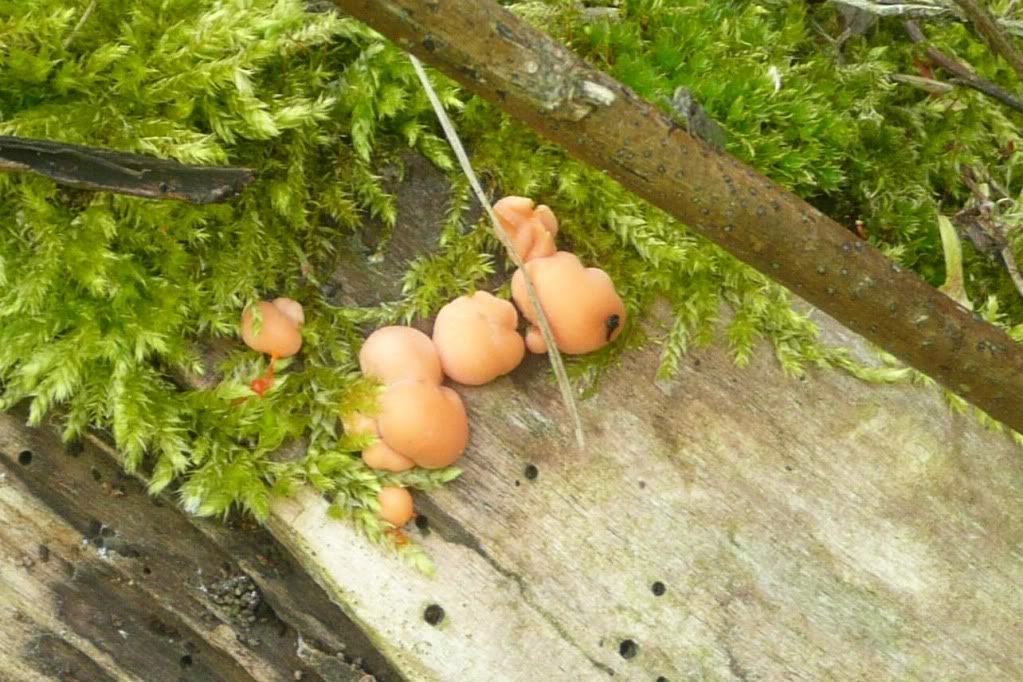
In the initial phase, slime moulds are single celled microscopic organisms, consuming bacteria and fungus as they move very slowly over dead wood.  When they encounter other similar cells they fuse together to form the plasmodium stage, which is still able to move at a speed of 1mm per hour  and what looks like the plasmodium stage of a Lycogala terrestre (common name is apparently Wolf's Milk) on a willow tree along the Thames path:
.
.  
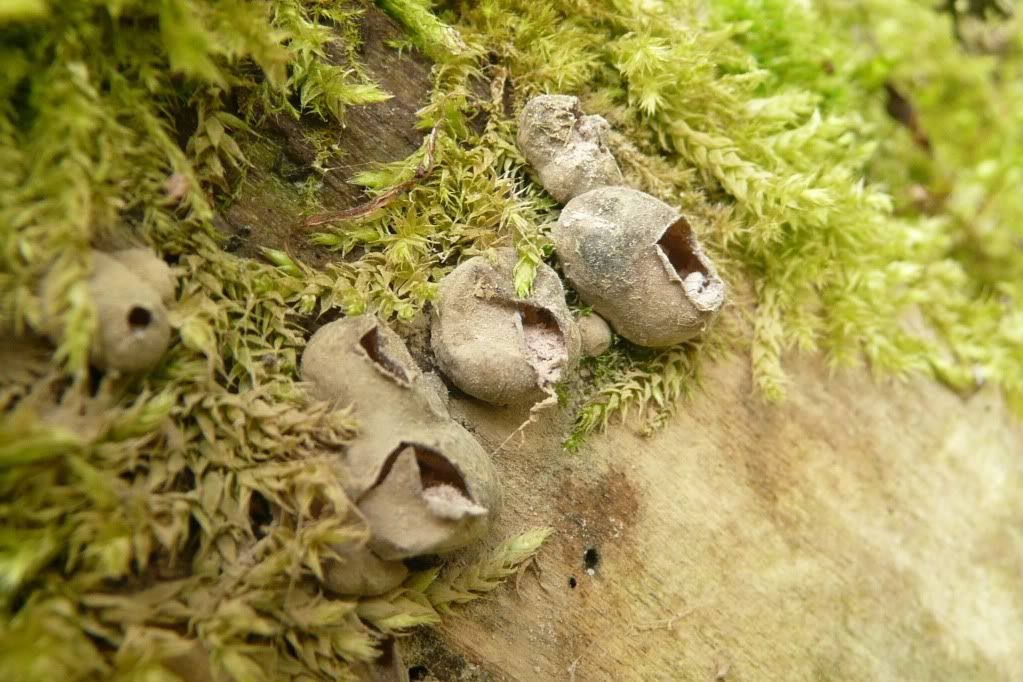
The plasmodium stage only lasts a few hours, when it runs out of food it releases it's spores: 
.


References:
Collins complete guide to Birtish mushrooms and toadstools
University of California Museum of Paleontology: http://www.ucmp.berkeley.edu/protista/slimemolds.html
Universe Review: http://universe-review.ca/R10-18-slimemoulds.htm

Wednesday, 13 July 2011

The perils of bumblebee mating

As featured in a previous post, now summer is here, male and queen bumblebees are now on the wing. 
As the bumblebee nest reaches the end of its life queens and males are produced.  The males hatch from unfertilized eggs usually laid by the queen, but sometimes worker bees will produce eggs that will turn into males (if the queen has died or if it is a large nest). The males fly around in what is called a circuit, using scent drops to attempt to attract a queen.
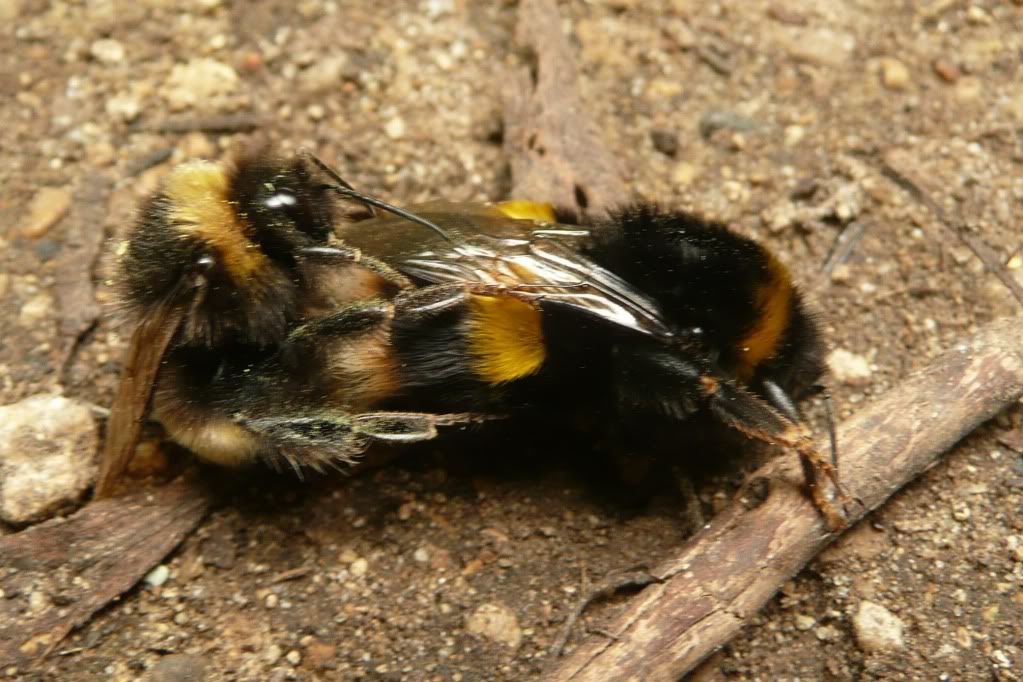
Although individual males and queens are often seen separately, it is unusual to see them in the act of mating. These two were seen along the cycle path to Oxford, near Radley Lakes:
.
.
At first glance they could be red tailed bumblebees (Bombus Lapidarius), but the dark wings on the female and the lack of yellow stripe on the thorax off the male mean they are more likely to be the cuckoo variety (Bombus rupestris):
.
.
For most animals, the act of mating is often short - during this time they are open to predation, they are not feeding and they could be seeking out another mate. But for bumblebees it is an arduous activity (certainly for the queen) and may last for 45 minutes. After mating the male injects the female with 'bung' preventing her from mating (a chemical chastity belt) and it will be the last time she mates. Unlike male honey bees (which die after mating), male bumblebees are free to mate again.
As the queen is weighed down by a male (and sometimes two) she is unable to fly, which can put them in harm's way, like these buff-tailed bumblebees (Bombus terrestris) seen on the footpath along the Ock Valley Walk:
.
.
They were then moved aside to prevent them being crushed (seemingly unfazed about being picked up by a stick and a leaf):
.
.
Unfortunately a different fate awaited this pair along Mill Road, near the Ock, which seem to have spent so long mating that they were not aware of an on coming car:
.
.
References:
Field Guide to Bumblebees  of Great Britain & Ireland: Mike Edwards & Martin Jenner
Bumblebees: Christopher O'Toole
Wild About Britain

Friday, 8 July 2011

Finding water voles at will.

Two weeks ago, this blog was featured In the fantastic Abingdon Blog, with Backstreeter making the comment:
.
"Images [of water voles] got better and better until now the blogger seems able to find them at will".

Although not quite at will, there are at least five water vole populations on the Ock and during spring it is not too difficult to find them - the females are establishing terrorities and the bank side vegetation has yet to recover from winter:
.
.
Now spring has become summer, what was once barren river bank is now covered in nettles, grass and unfortunately himalyan balsam. So it becomes harder to find signs of water voles:
.
.
.
But  if you know where to look, it is still possible to catch a glimpse of a water vole feeding, sometimes in a willow tree:
.
.
But you need to be quick, as they don't always stay on the branches for long.....
.


Monday, 4 July 2011

Tree Bumblebees

Since 1960 there has been a decline of 60% in the population in the 25 species of UK bumblebees. A contributory source is possibly the 90% loss of habitat since 1930's (source Bumblebee Conservation Trust). 
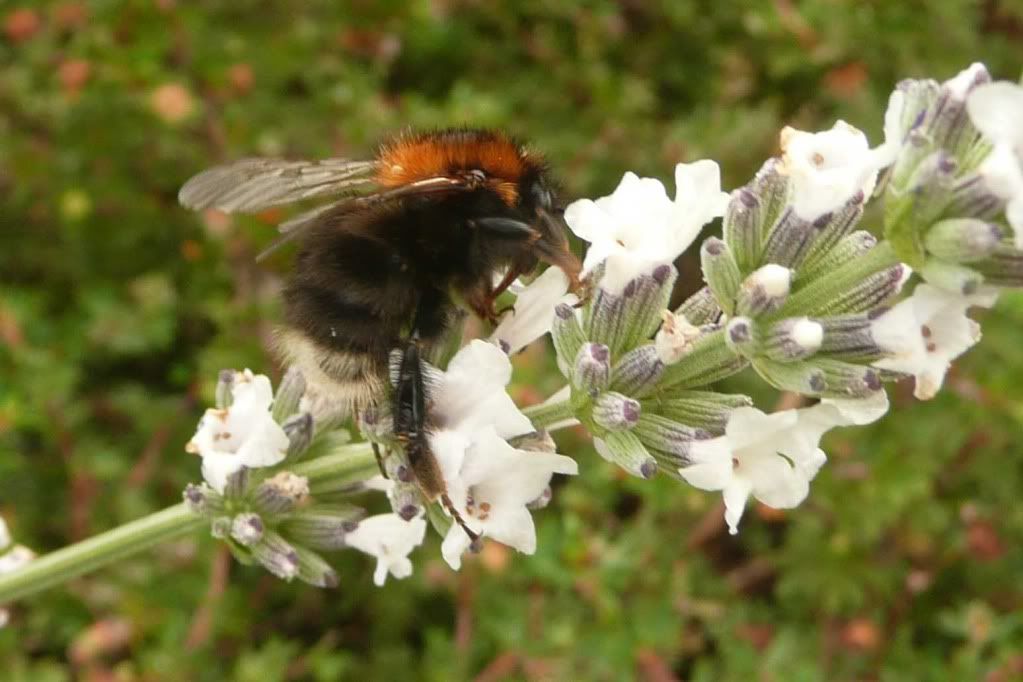
Despite this, there is one bumblebee species that has an increasing population - the tree bumblebee (Bombus hypnorum).
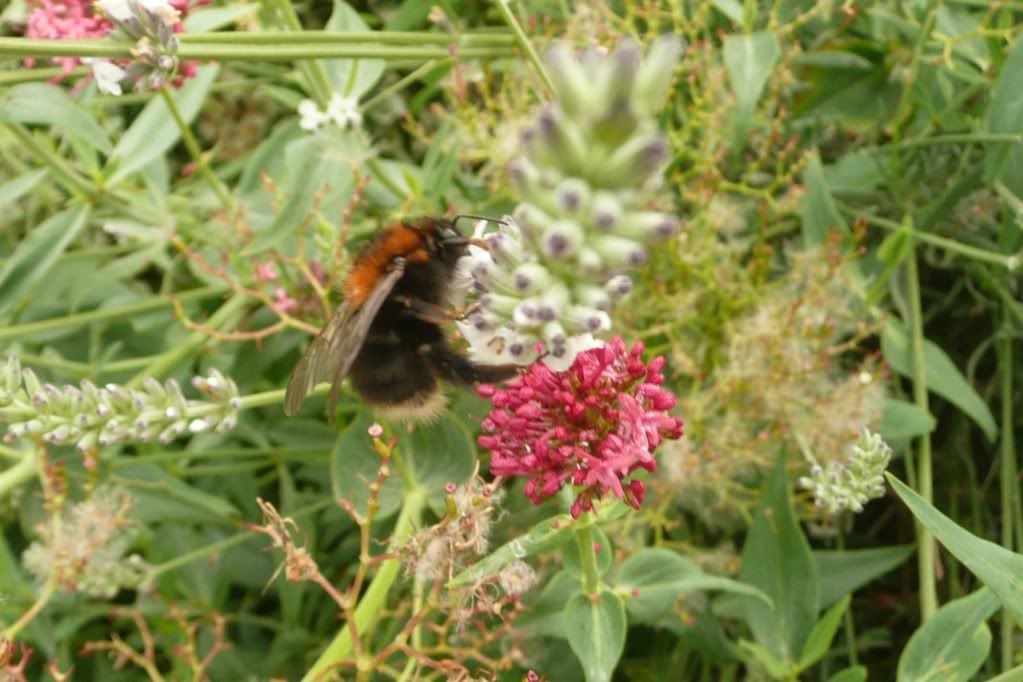
Having arrived from Europe, it was first discovered in the UK in 2001 in the New Forest  and has been spreading north ever since.  Even so, it is a pleasure to find a female worker in our garden, feeding with the other bees on the always popular lavender:
.
.
Unlike most bumblebees they are easy to identify - with a distinctive brown thorax, black abdomen and white tail:
.
.
Whilst most bumblebees nest at ground level (preferring old mammal burrows), tree bumblebees prefer to nest above ground, finding bird nest boxes the ideal location - perhaps explaining part of it's success.
The Bumblebee Conservation Trust is recording sightings to see how tree bumblebees are spreading throughout the UK in an on-line survey: http://www.bumblebeeconservation.org.uk/tree_bee.htm

Saturday, 2 July 2011

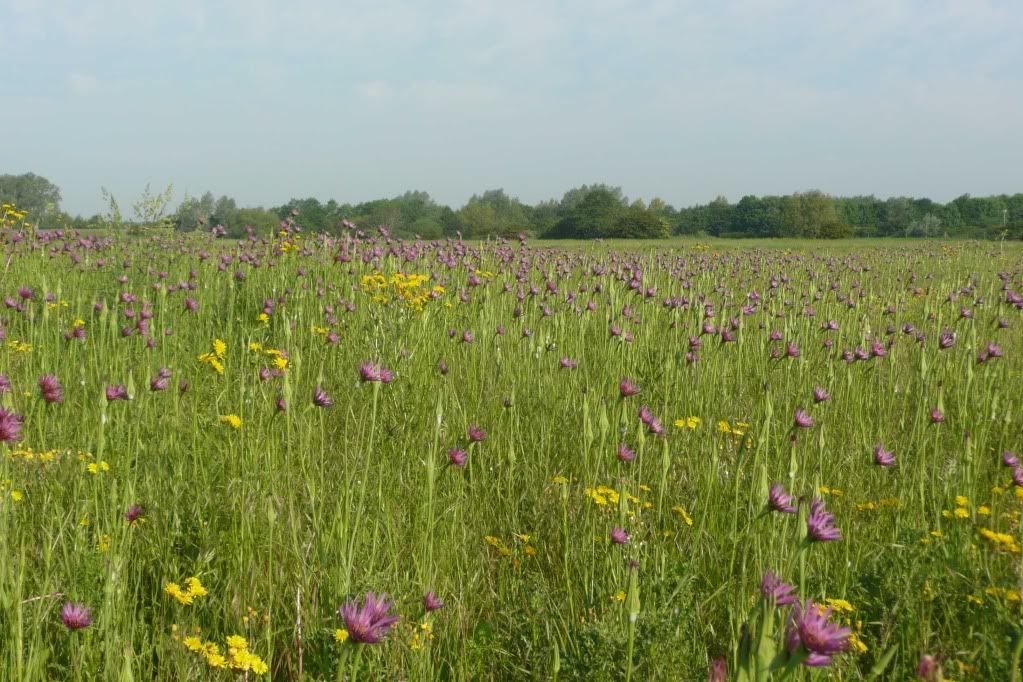
Ock Meadow

In June last year, the Ock Meadow was in bloom as a wildflower meadow:
.
.
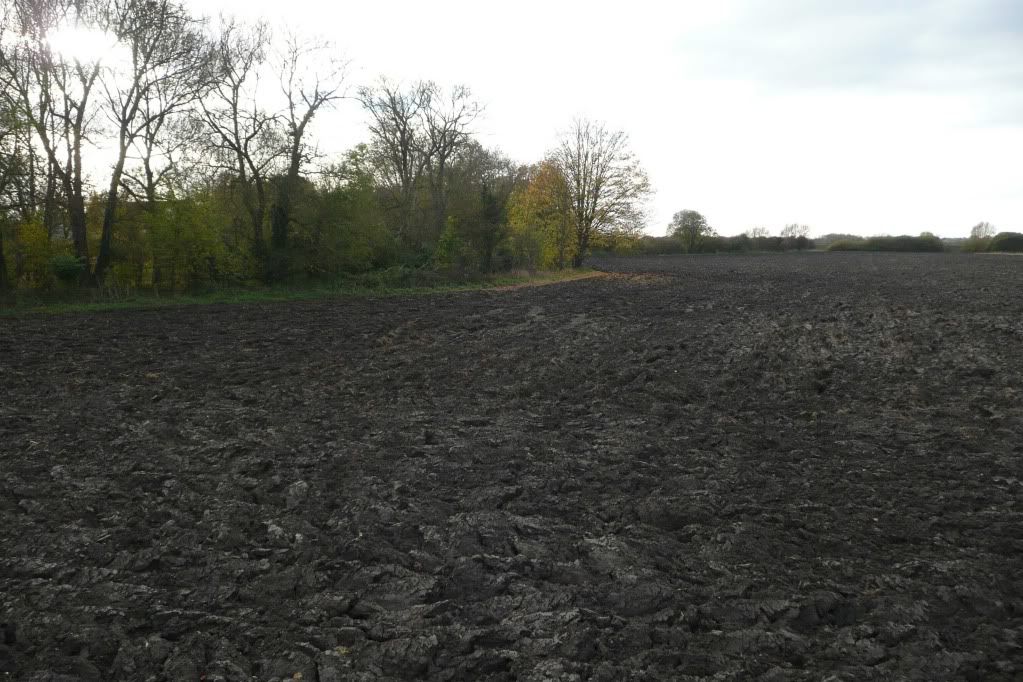
Due to the cuts in the set aside budget and the increase in commodity prices, it has become economical to farm the land again, so in November it was ploughed:
.
.
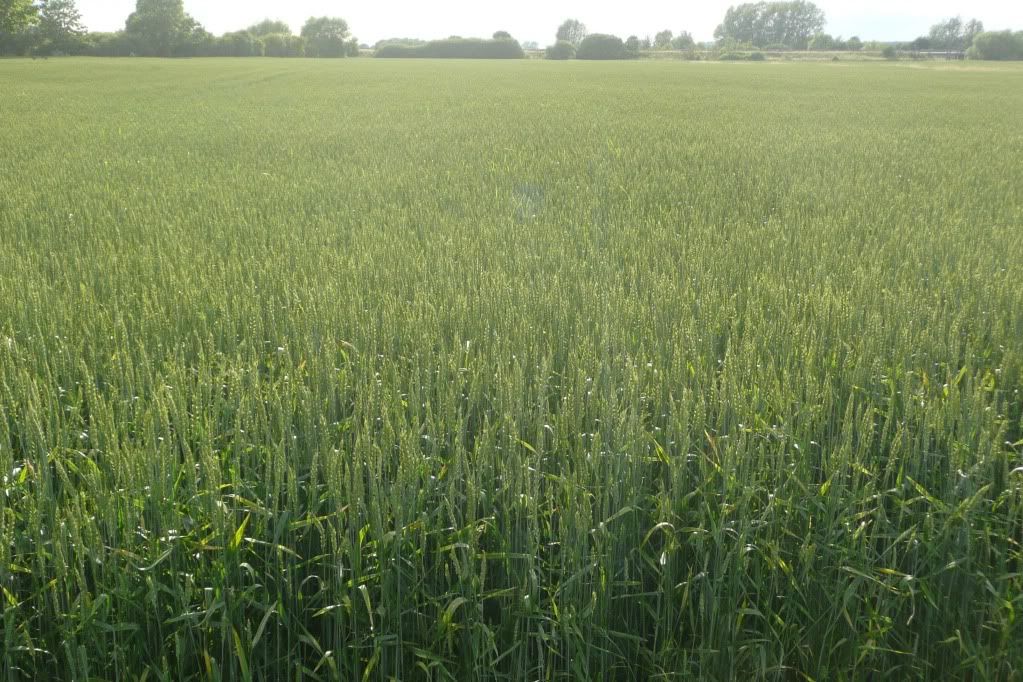
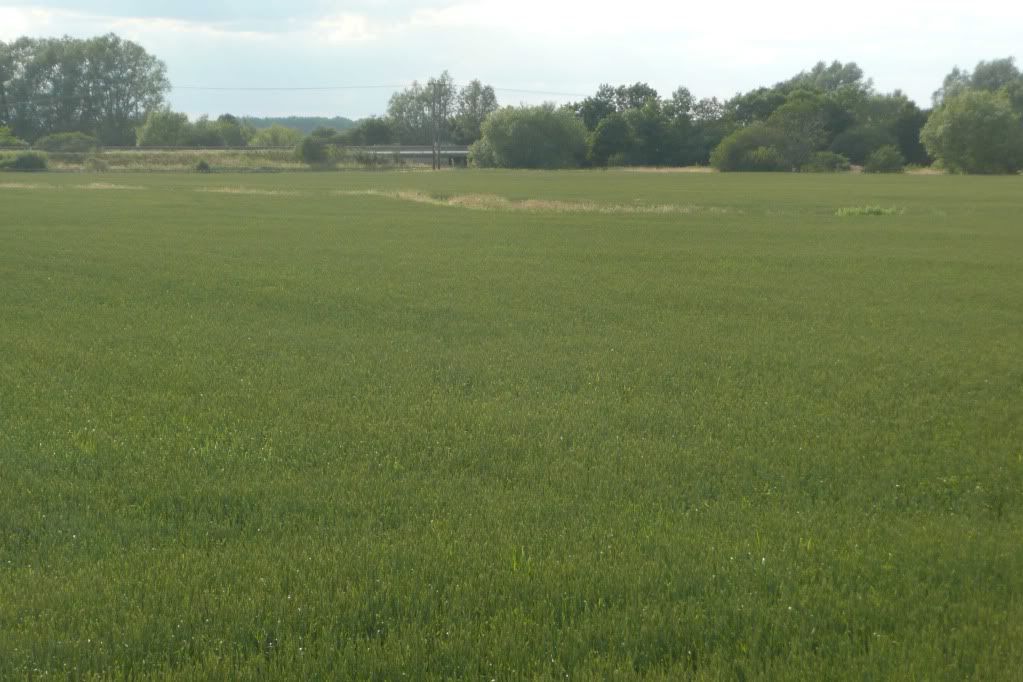
Now, 12 months later and the field is full of barley:
.
.