Sunday, 24 March 2013

Where has spring gone?

It is hard to believe that this time last year there were bumblebees and ladybirds in the garden and along the river there was almost an abundance of water voles 
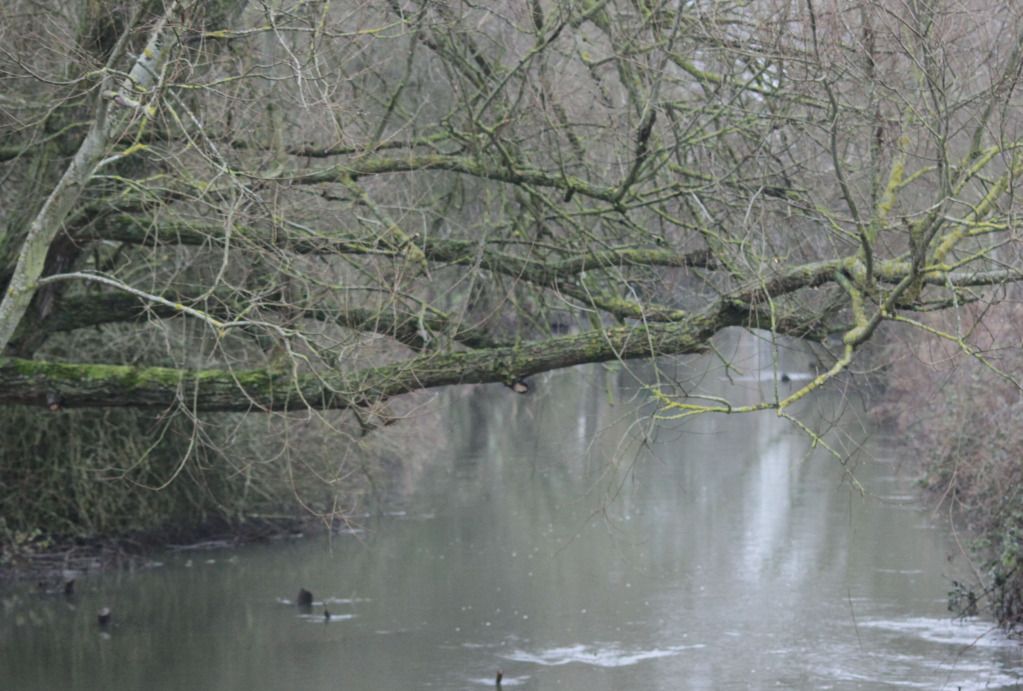
Instead this year it seems to be a never ending winter, with snow on successive weekends,  temperatures in single digits and the river looking bleak and desolate, with few signs of life.
.
.
Once again the meadow is flooded and an opportunist heron looking for any displaced amphibians, fish or water voles
.
.
Although water vole sightings are infrequent - maybe because it's too cold to spend a long time looking for them - they are starting to become more active as this latrine shows:


.
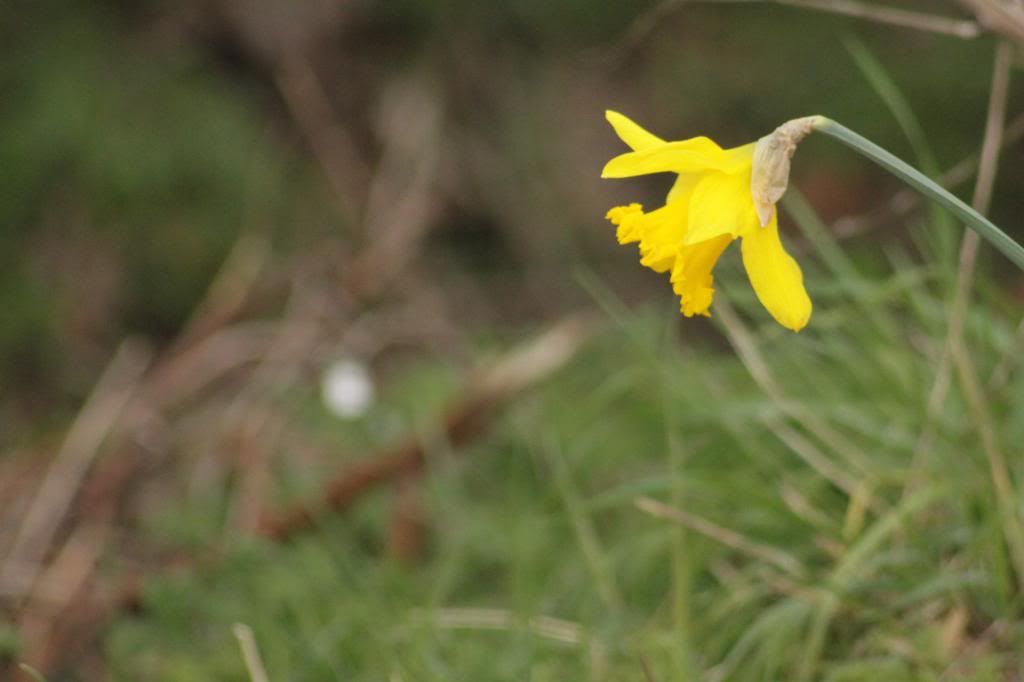
And other signs that this isn't winter, just a very cold spring, is a solitary flowering daffodil.
.


Thursday, 21 March 2013

The Judas Ear

The seemingly never ending rain (and sometimes snow) has reduced the opportunities for a favourite of this blog - watching water voles.
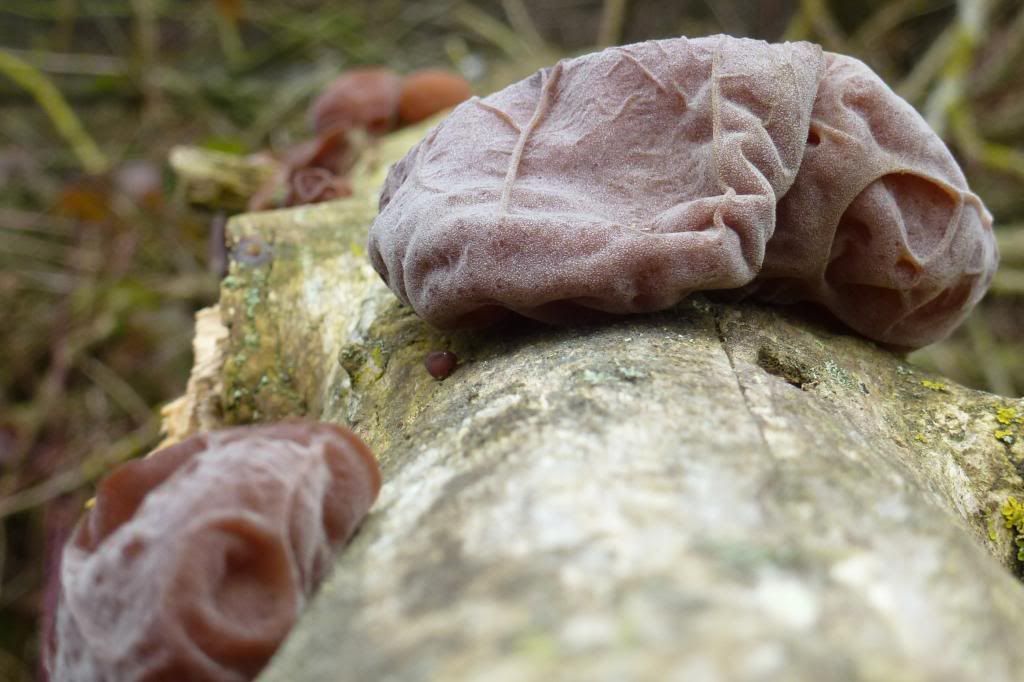
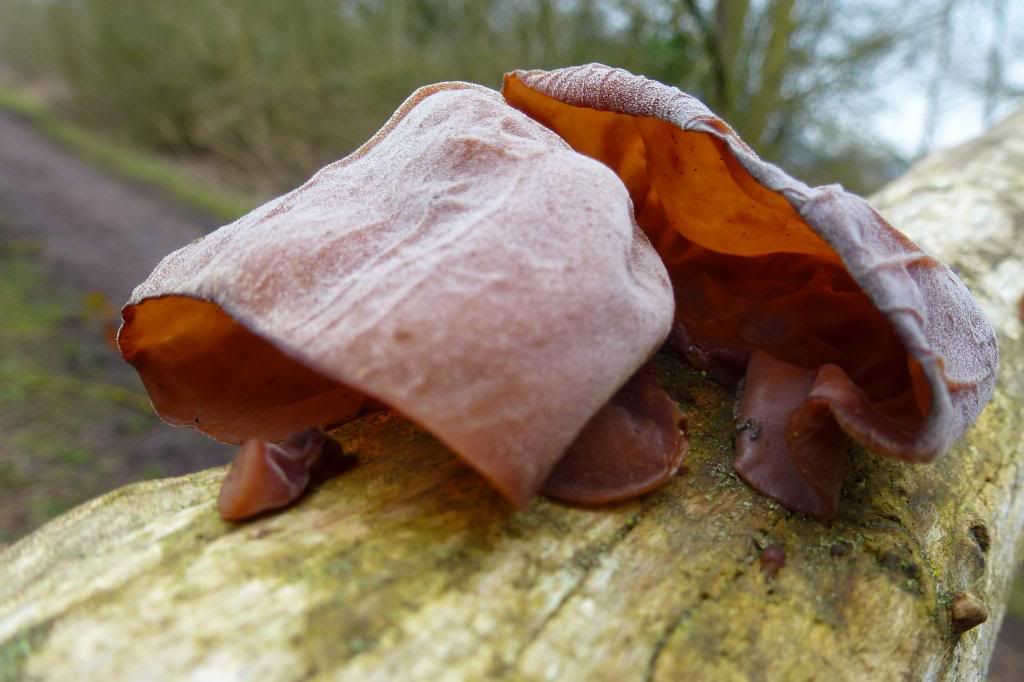
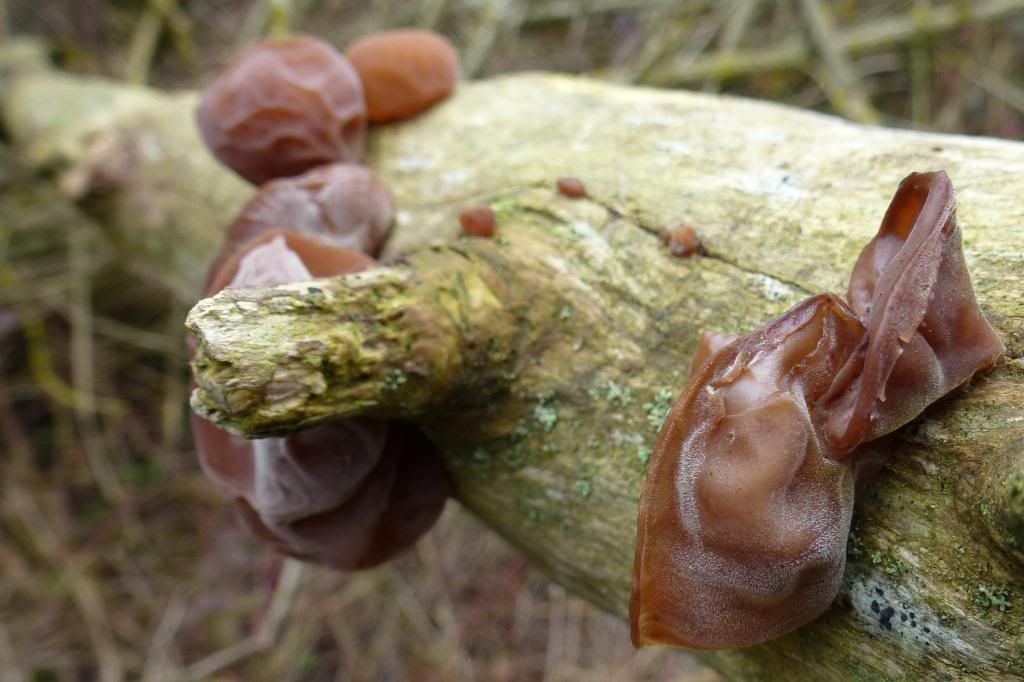
But the dampness has produced other things of interest, such as this fungal fruiting body growing on a dead tree near Radley Lakes in North-East Abingdon.
.
.
Before scientific classification it was known the Judas Ear - because it looks like an ear and because one it's preferred habitats is the elder - the tree from which it was believed Judas Iscariot hanged himself:
The common name was subsequently changed to the politically incorrect Jews Ear, which is reflected in it's scientific name: - Auricularia auricla-judae
.
.
More recent field guides now refer to it by a more politically acceptable and probably more accurate name of Jelly Ear 
.
.
Whatever the chosen name, it is an impressive sight, even if it is one of the most common fungi found in Britain.

Sunday, 17 March 2013

Siskins

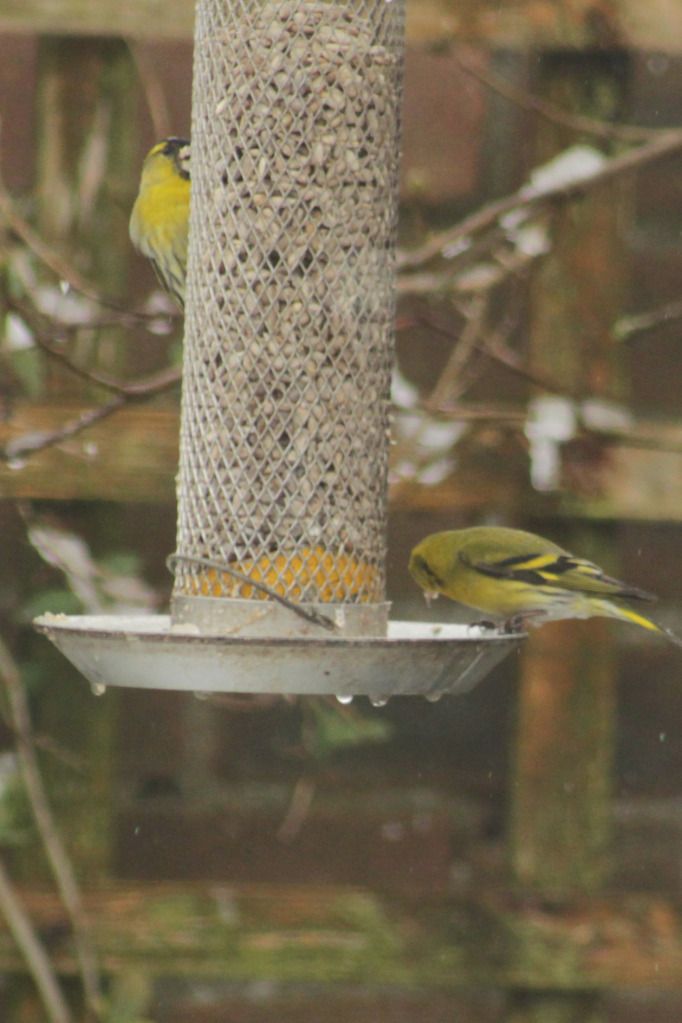
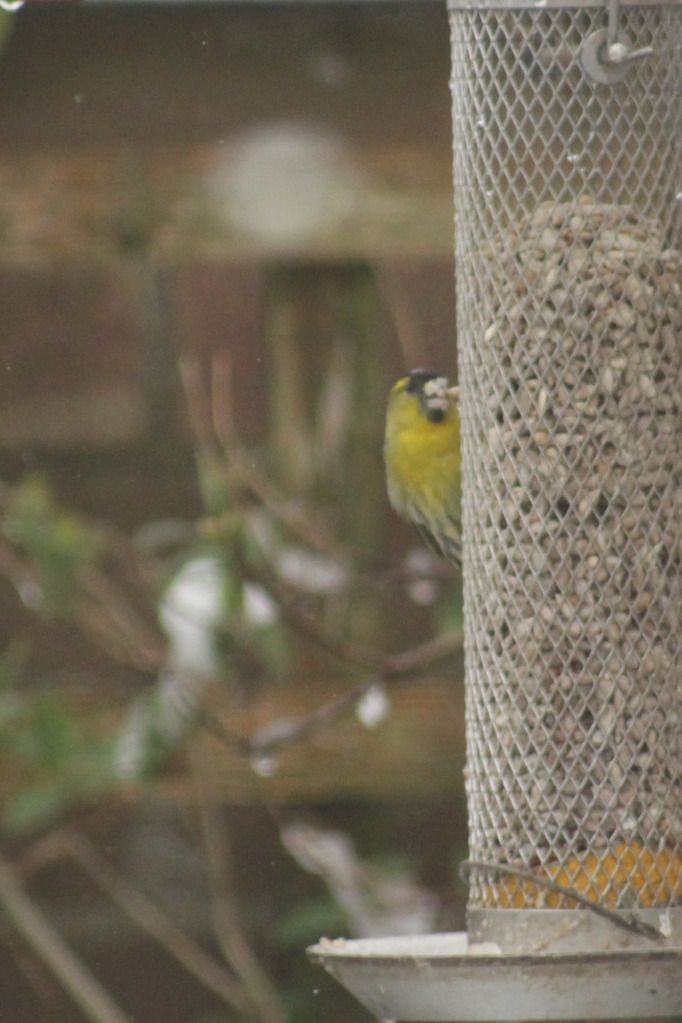
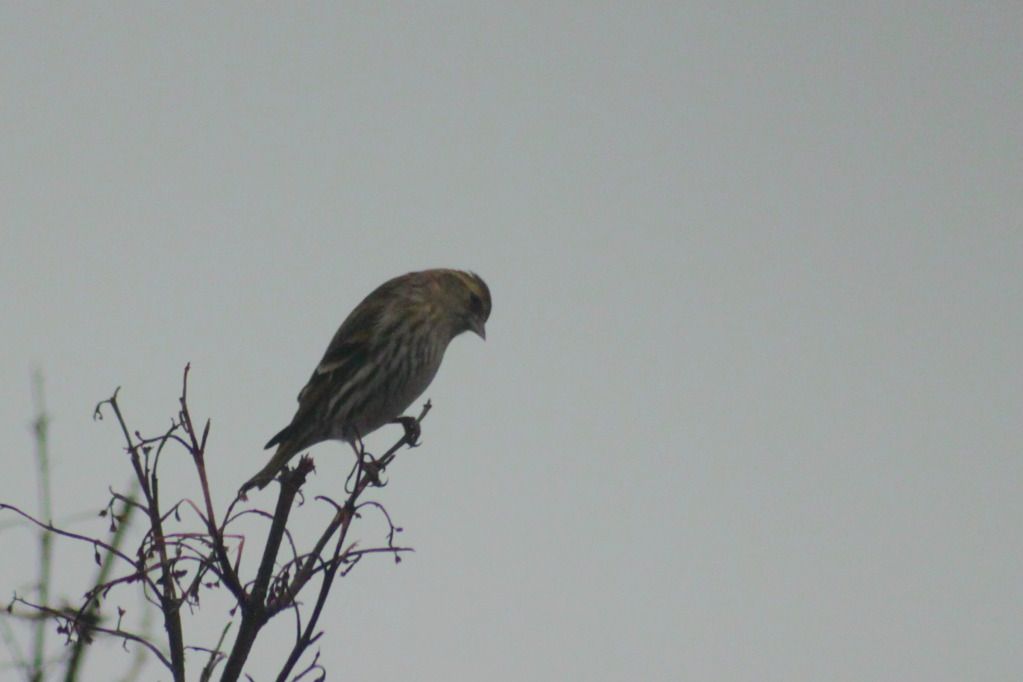
Among the usual visitors to the bird feeders in our garden - blue tits, chaffinches, goldfinches and the occasional greenfinch - there is a bird that we have not seen for over five years - siskins:
.
.
.
Siskins are migratory birds and so these will have chosen to spend the winter in south, usually eating tree seeds,  before returning to their breeding areas of Northern Britain or Europe.
.
.
However, this year seed availability has been lower the average and they have been attracted to garden feeders (in our case, sunflower hearts) in record numbers, with the BTO recording the highest influx of siskins into gardens since 1998.

Sunday, 10 February 2013

Winter weekend wildlife

Without the snow, winter can be a drab time along the river - it's dark, cold and usually wet,  so it is not inspiring to get out and explore and with the short days finding the time is also rather difficult.
But now the days are slowly getting longer, there are slightly more opportunities to get out in-between the ever frequent rain showers
What makes the river so drab is the lack of foliage:
.
.
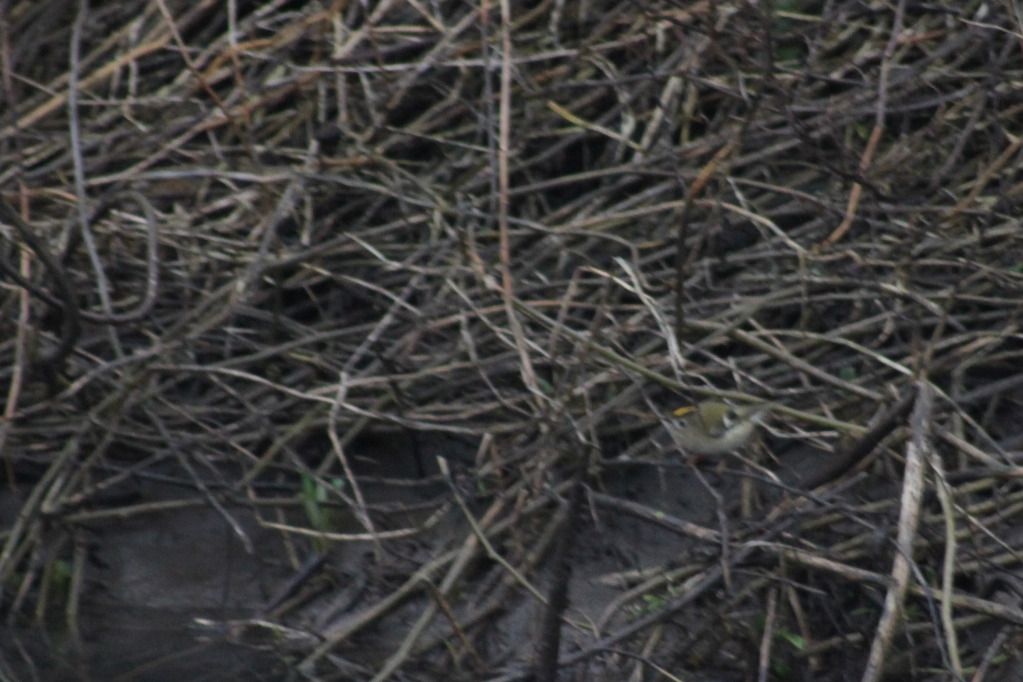
But in-between the drabness, there are few flashes of colour, down by the river the distinct markings of the UK's smallest bird - a goldcrest:
.
.
It's hard to believe such a small bird migrates, but some of the UK's winter population are migrants and this small creature (only weighing 5 grams) may have travelled all the way from Poland to seek out insects along the Ock.
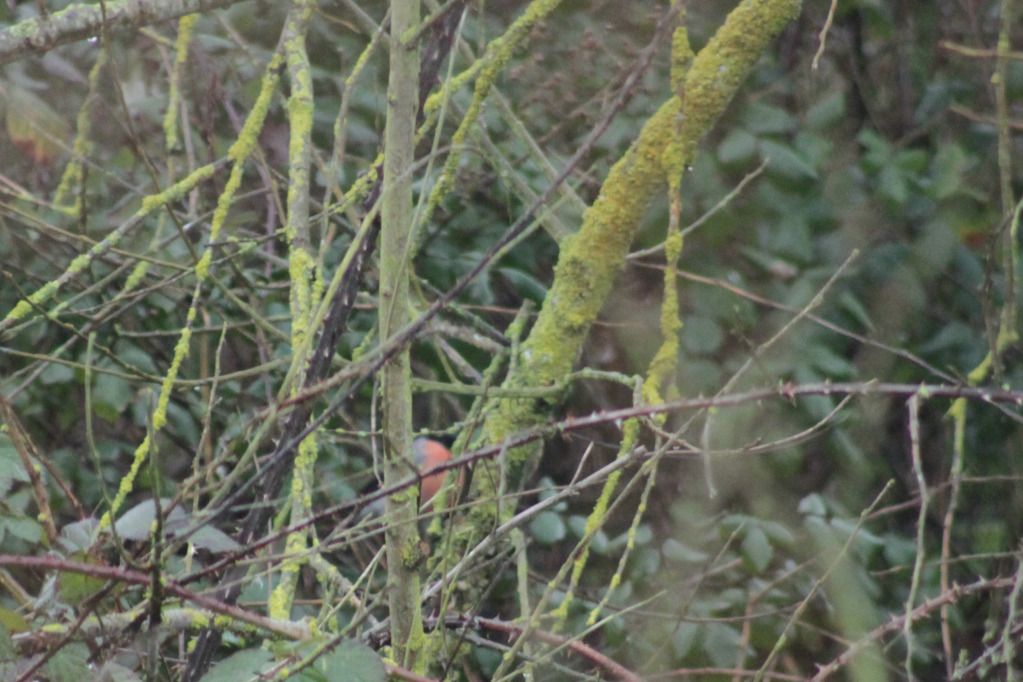
Also lurking in the undergrowth (and somewhat difficult to photograph in the fading light) is the unmistakable plumage of a bullfinch (actually a pair):
.
.
These splendid looking birds have had a difficult time recently, their preferred choice of food, - tree buds has bought them into conflict with fruit growers and the destruction and heavy cutting of many hedgerows has resulted in a 50% drop in their population since the early 1980's.
Maybe the unmanaged trees and hedges along the river and the nearby old canal can help provide suitable habitat and is an area where this charming bird can thrive.

Monday, 21 January 2013

The first snow of 2013

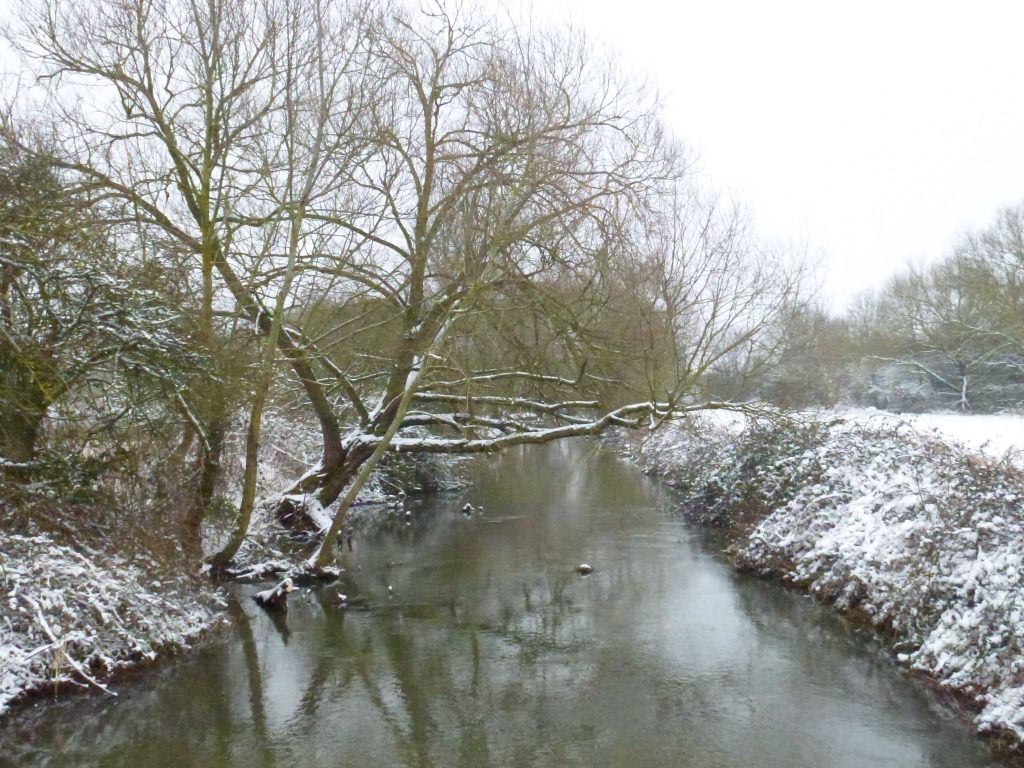
Anyone who attended one of my talks last year (or attending one of those scheduled for this year) will know that probably the best thing about winter is when it snows:
.
.
Not only does the river look picturesque, but there is chance to get out and to see what animals have been active at night and to try and try and deduce what these seldom seem creatures have been up to.
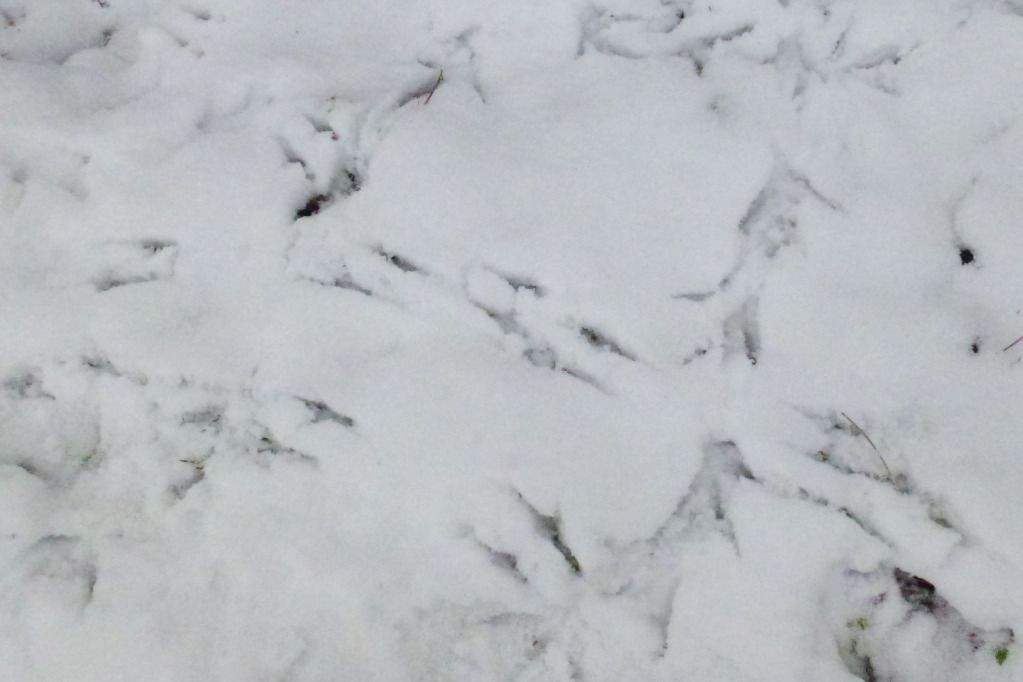
The most obvious are the moorhens, who have been venturing out of the river - either to avoid a predator or to try and find some food.
.
.
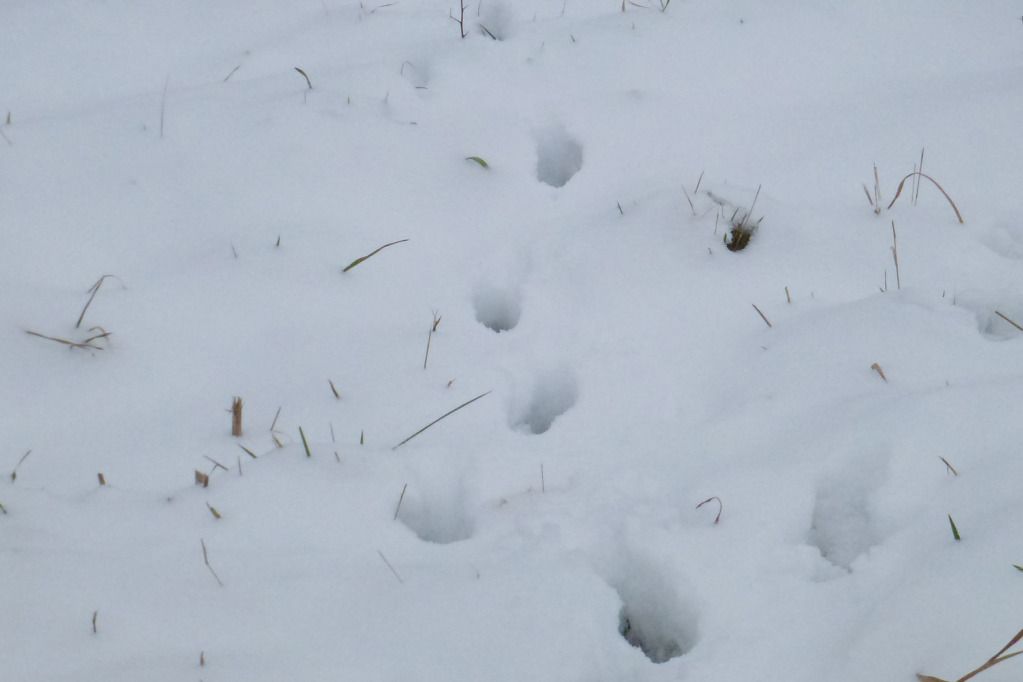
Another easily identified footprint is that of the rabbits, they are  active during the day and night, so these could have been left whilst the snow was falling on the Friday. 
.
.
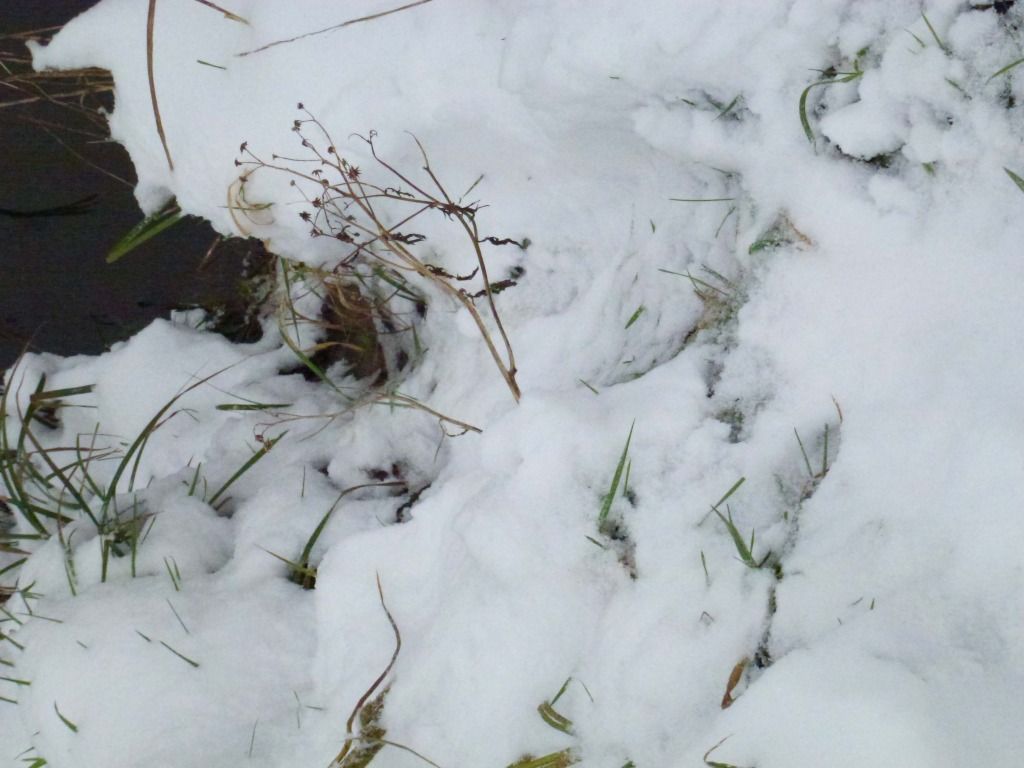
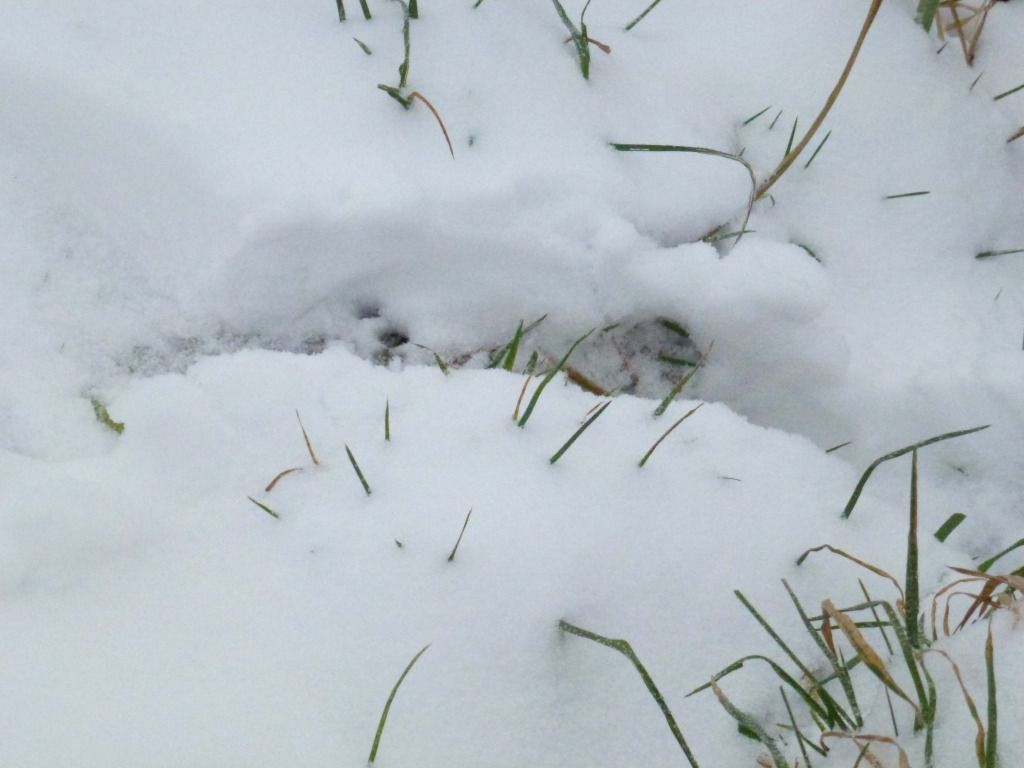
Most other footprints were left by domestic dogs, but on the river bank, not a footprint, but perhaps more intriguing, what seems to a gouge in the snow - perhaps made by a long thin body...
.
.
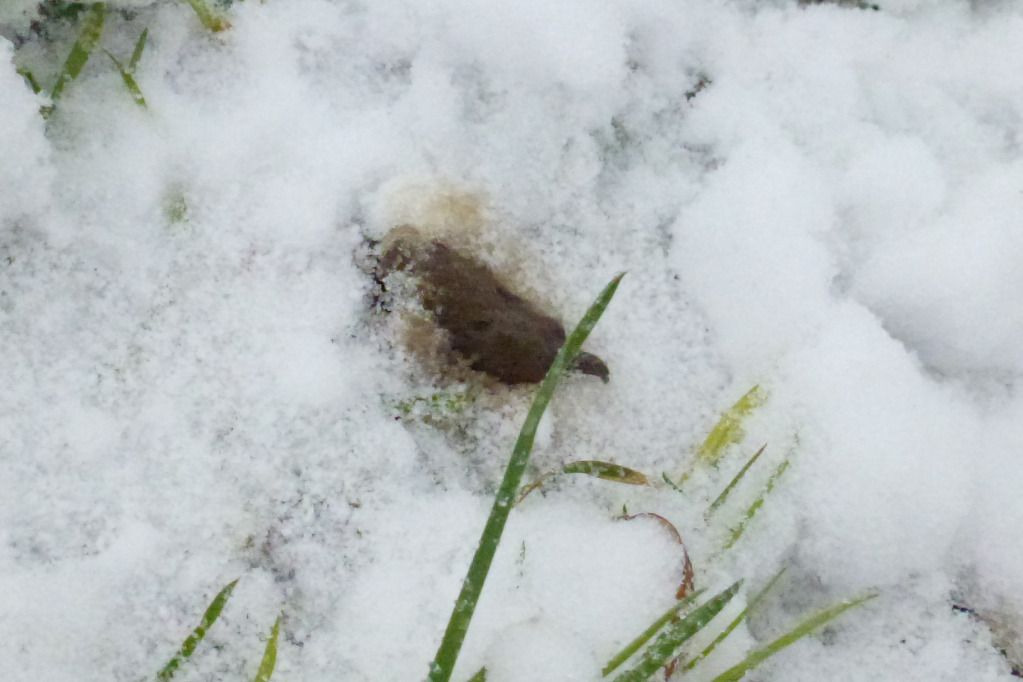
There are several reasons why an animal might leave the river - to hunt, to escape a predator or in this case to mark it's territory:

.
Before returning to the river.
.
.
The best way to identify an animal by it's poo is to smell it and this, despite not looking like it, had the distinctive 'jasmine smell' of an otter.
So by looking at the tracks and other signs it's possible to conclude that in the early hours of Saturday morning, an otter came out of the river, had a poo and went straight back in the river 
Sunday, 30 December 2012

A review of 2012

It's been a while since this blog has been updated, so perhaps it is an ideal opportunity to reflect on what has happened in the past 12 months.
The most defining thing of the year has been the relentless rain (it has been the wettest year since records began in 1910) and it's consequences.
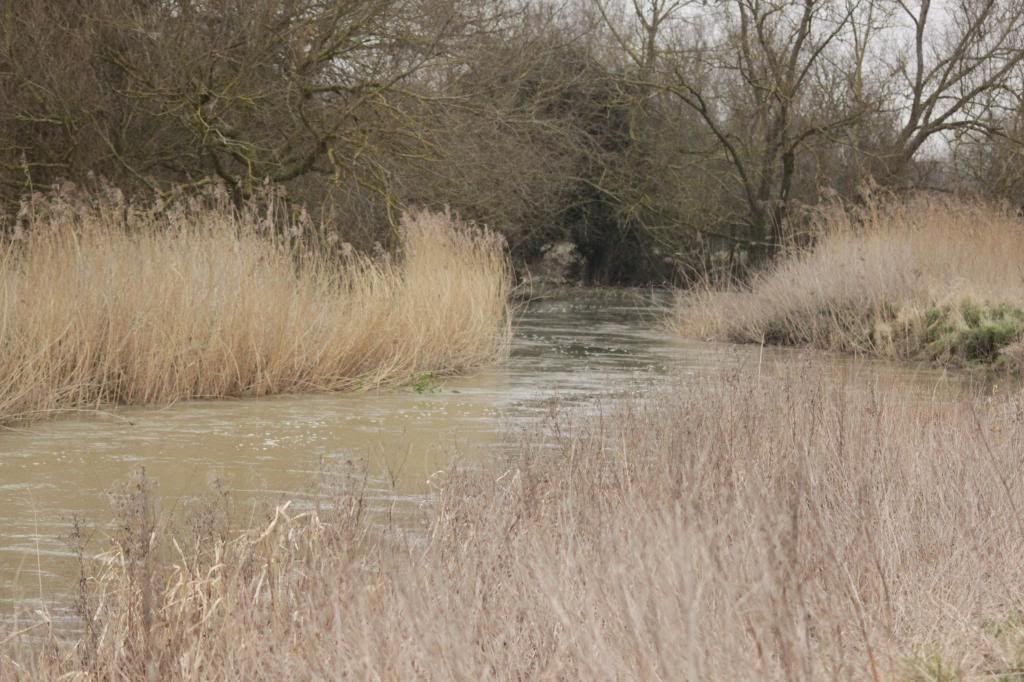
Unlike many rivers in England (including the Thames itself), the Ock itself has not caused any major flooding, but on several occasions the floodplains have been very high:

This is what the river looked like in May:
.

.
And this is what the river looked like yesterday (29th December):
.
.
The consequences of this on the local wildlife is hard gauge, it would certainly have disrupted the water vole breeding season as their burrows would almost certainly be flooded when they were nursing their young.
However, they are adaptable creatures and this one (also in May) seemed to make the most of the opportunity by eating the branches of an overhanging willow tree - which would normally be out of reach:
.
.
Another creature which would have suffered is the kingfishers who also nest in the river banks.
As for the otters, they were are active early in the year, as an unexpected sighting (I don't actively look for otters) of two otters (male and female?) in February:


.
It is also difficult to gauge the affect of the subsequent high river would have had on any cubs.  They can spend up to a month in a holt whilst they are nursed by their mother and if it is flooded during this time then the cubs may perish.
Still throughout the year there have been plenty of otter spraints to indicate there is at least one otter present on the river:
.
.
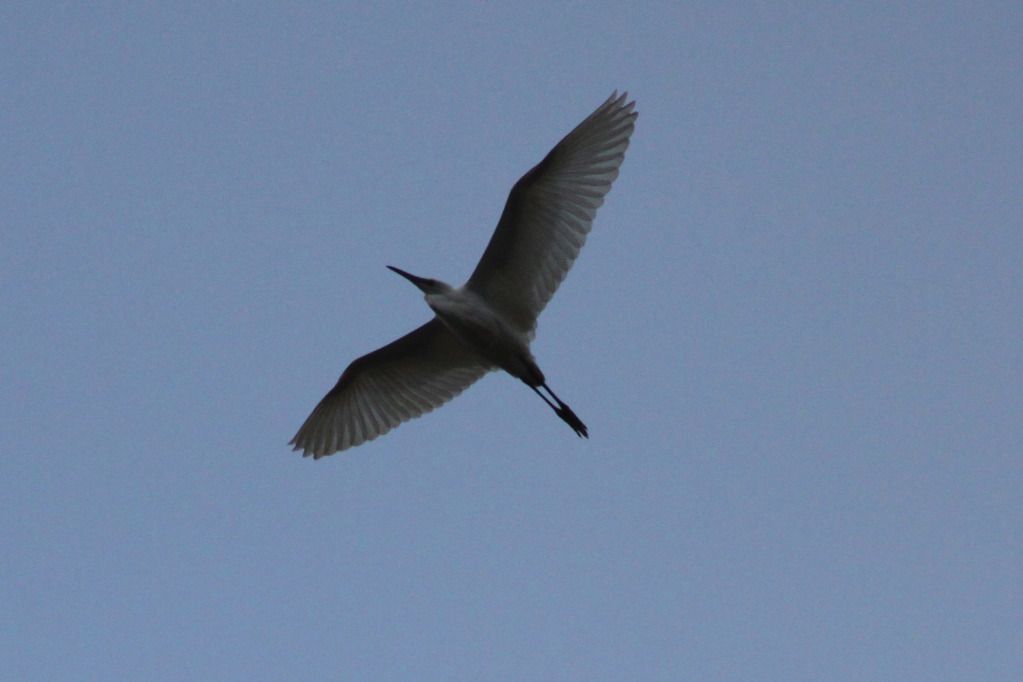
But it is not just the regulars that are of interest, perhaps the highlights of the year are a great white egret flying over the river in September - there is only one breeding pair in the UK, as they are in somerset this is probably a migrant passing over:
.
.
Another highlight (and not featured in this blog before) was a pair of lapwings:
.

A common bird and often seen in large flocks in flood meadows such as otmoor.  But in June there were a pair of them and were mobbing a buzzard it is highly probably that they were breeding.
They are ground nesting birds and with all the predators in the area, it is unlikely that they successfully raised their young,  but maybe they and a few others will try again in 2013.

The real highlight of the year was the blog moving from the virtual world to the real world with two successful talks - one for BBOWT Upper Thames in June and another for Abingdon Naturalists Society in September and with two requests for the talk next year, 2013 could be another interesting year....

Sunday, 7 October 2012

University of Oxford Natural History Museum


For the enthusiast of the natural world, there are many reasons to enjoy living near to the city of Oxford – Wytham Woods to the west, Harcourt Arboretum to the south and the Botanic Gardens in the city centre are splendid places to spend a sunny and warm day.
But as the days start to get shorter and the weather starts to get colder a turn, the best place to head is the Oxford University Museum of Natural History:
.
.
Built in 1859, the fantastic neo-gothic building houses the Oxford University’s collection of zoology, entomology and geology and  is the casts of the Tyrannosaurus and Iguanodon that first grasp your attention as you walk through the entrance:
.
.
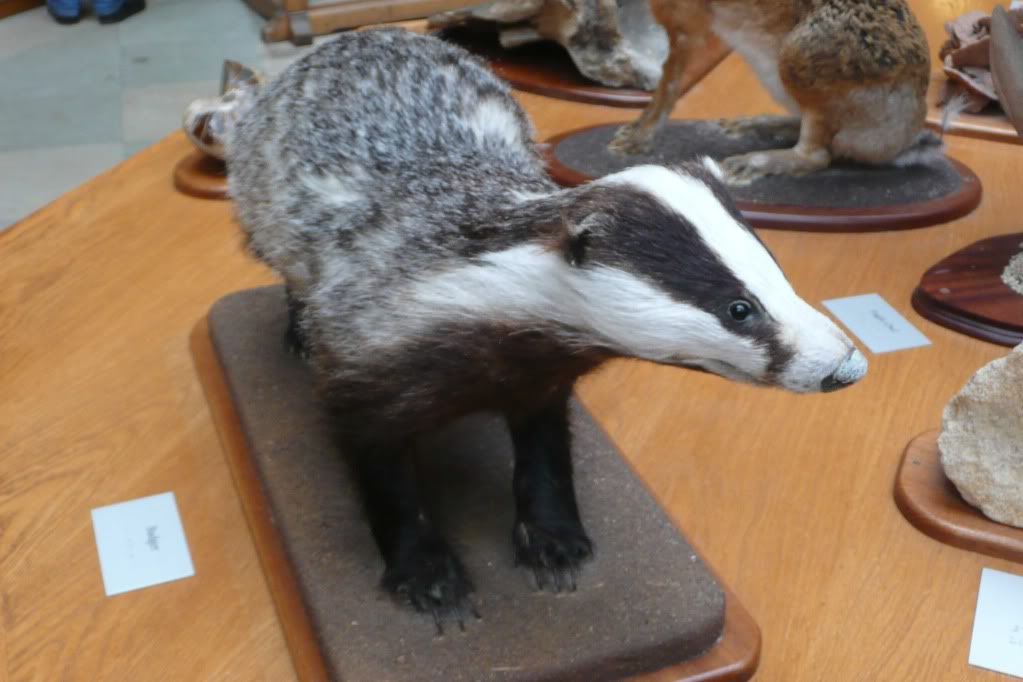
The exhibits of local geology & palaeontology are fascinating and even the ones local wildlife are interesting, even if it is somewhat sad to see animals that have featured in this blog as stuffed exhibits in a museum (even one as good as this):
.
.
.
.
Although it is the entomological exhibits that are probably the most engrossing - especially the displays of living insects, perhaps none more than the honey bees, which can be seen bringing pollen from outside the museum to their specially constructed glass walled hive and then doing their waggle dance to explain the location of nearby flowers.
.

It is best  to make the most of the Museum this year, as it closes throughout 2013 for the splendid (but leaking) gothic roof to be repaired (although access to the Pitt Rivers museum remains open):