Wednesday, 12 June 2013

Views 3128 miles west of the Ock

Whilst central England has an amazing biodiversity, for some species it is best to travel further afield and the opportunity to visit Boston (Massachusetts, not Lincolnshire) provided the opportunity to do something I have always wanted to do - whale watching.

.
Whilst it is possible to see cetaceans in British waters (bottle nosed dolphins in Cornwall have previously featured in this blog: http://viewsoftheock.blogspot.co.uk/2012/09/views-of-atlantic.html)  to get better sightings it is necessary to join an organised whale watching trip, such as one to the Stellwagen Bank , 30 miles from Boston.
It is one 14 national marine sanctuaries in the US and several whales make the most of the abundance of food supplied by deep underwater currents being driven up the steep sides of the bank.

These include minke whales, one of the smallest whales (5 tons) they stay in the distance and unlike other whales are submerged most of the time and are spotted due to the distinctive spray from their blowhole.


As exciting as it is to see a minke, the real stars are the humpback whales, at 37 tons they are the third largest whale (after finback and the  blue whale) and unlike the minke they are not unafraid of coming close to the boat.


.
And it is when they fluke (raising their tale out of the water as they go for a deeper dive) it seems like they are showing off and it certainly makes one want to burst into a spontaneous round of applause
.

.
Whatever the reason for them doing it, it is certainly an unforgettable experience.
.


If you happen to find yourself in Boston, then a whale watching trip is highly recommended:
http://www.bostonharborcruises.com/boston-whale-watch/

Although whales aren't seen on all trips, at least one came back disappointed, which makes seeing such remarkable animals so close a privilege.

Tuesday, 28 May 2013

Life & Death in the pond

Within an hour in a small back garden pond it is possible to witness the absolute beauty and utter horror that is the natural world.
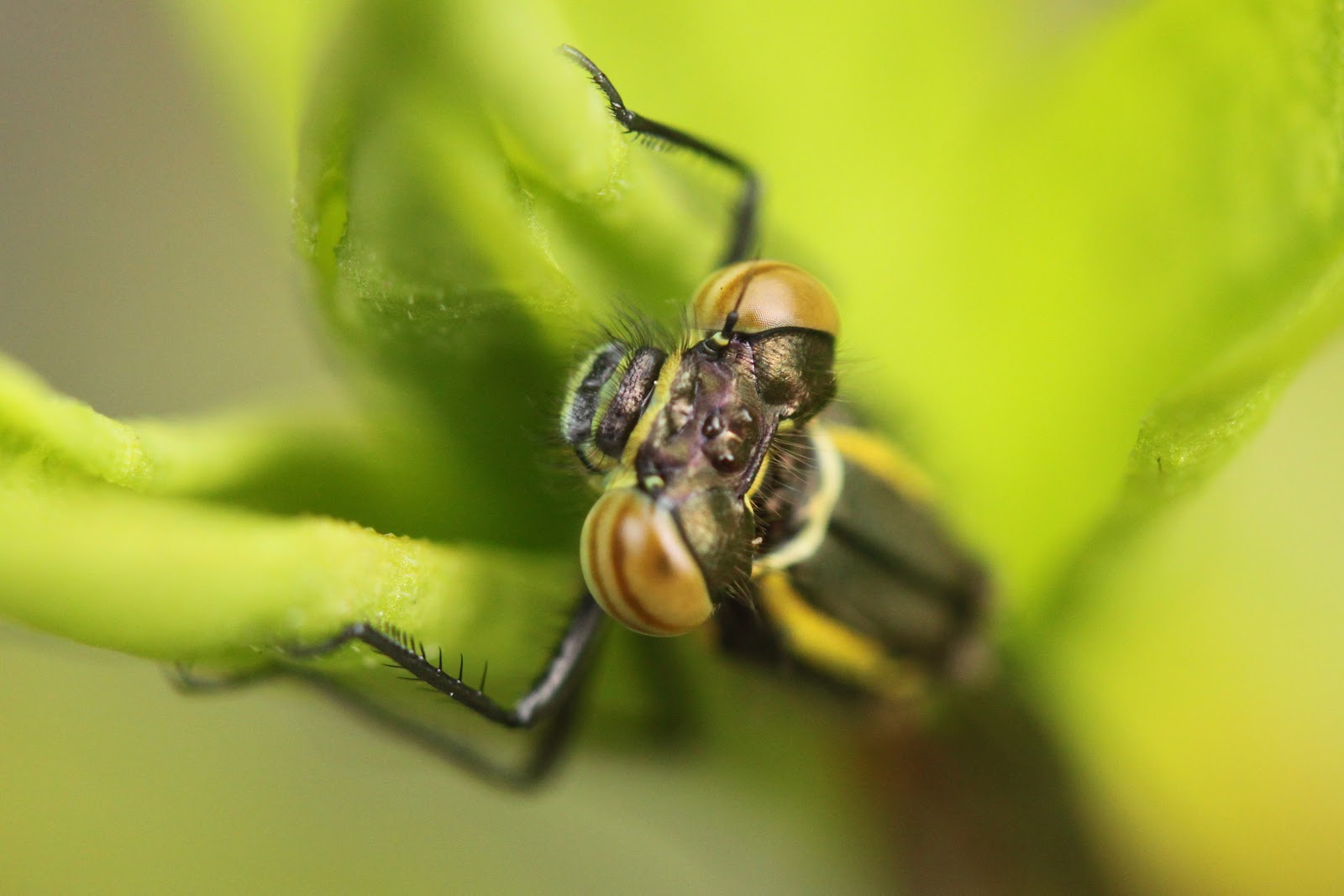
Firstly is the mesmerising metamorphosis of a damselfly larvae into an adult.


But nearby something different and a lot more horrific, a group of ants have found a freshly emerged damselfly. Having spent more than two years as a larvae it's adult life was only a few minutes before being dismembered and eaten alive.


Thursday, 23 May 2013

The water voles of the Oxford Canal

The Oxford Canal, completed in 1790, links the River Thames to Coventry and was one of the main methods of transporting goods from the manufacturing heart of the midlands to Oxford, Reading and London
The canal now stops at Hythe Bridge Street in Oxford city centre, but once continued to Worcester Street to a basin at Worcester Street - now an expensive car park.
The freight may have declined, but it is popular place for mooring a barge and and is an enjoyable place for an evening stroll:
.
.
As it has become more of a source of leisure than commerce, it has become a haven for wildlife and as the canal passes through Jericho, there are what looks like signs of water vole feeding by the canal path:
.
.
Further along the canal there are very obvious signs of water vole latrine
.

Although trying to catch a glimpse of them is very hard, to the far side of the canal are gardens and the habitat is more suitable for snoozing ducklings than water voles.
.
.
But lurking in the undergrowth, next to the canal path is the unmistakable nose of a water vole.
.

.
The water voles along this stretch are well known (if somewhat hard to see) and have caused a few problems when attempts have been made to renovate the footpath

http://www.oxfordmail.co.uk/news/10099754.Voles_scupper_plans_for_towpath_revamp/


Sunday, 19 May 2013

Pond Life

About three years ago we built a pond in our back garden and despite being small, it has had interesting wildlife - water snails, ostracods and water louses.

But last week, something else emerged - six damselflies:


Judging by the red abodmen and striped thorax and the time of year they are emerging these are probably large red damselflies. One of the most common damselflies in thee UK they are found in fresh water ponds and rivers throughout the country (including the river Ock, where the parents of these may have come from).


.
.
They will have spent two years in the bottom of the pond as larvae going through 11 stages, the first stages involve eating vegetation, with later stages catching and eating other small creatures within the pond - no wonder the population of water louses seems to have decreased in the past 12 months.
.

.
Like most metamorphosing insects, the adult stage is very short, the immature adult phase lasting two weeks, when they disperse, seeking new breeding sites.
Whilst the mature phase (when mating and egg laying takes place) can be only five days.
.


Sunday, 5 May 2013

Return of the mason bees

As a Christmas present in 2012 I was given a home made bee box for solitary bees and in the first year, red mason bees swiftly moved in a laid their eggs in in the holes: http://viewsoftheock.blogspot.co.uk/2012/05/red-mason-bees.html

Now 12 months later, the next generation are emerging:


The white face and long antenna indicate that these are males and have emerged first and are waiting for the females who will emerge later before mating and repeating the cycle.


Monday, 29 April 2013

More water voles...

... because you can't have too many photographs of water voles:


Thursday, 25 April 2013

First water vole photo of 2013

This year has seems to have been a slow year for water voles along the Ock, the very poor spring has meant that the breeding season is late as well as not being conducive to looking for wildlife.
So it is great to see that they have survived the winter (and any Mink) and are still about, even if sightings are less frequent than this time last year:
.
.