Wednesday, 28 September 2011

Return of the Sparrowhawk

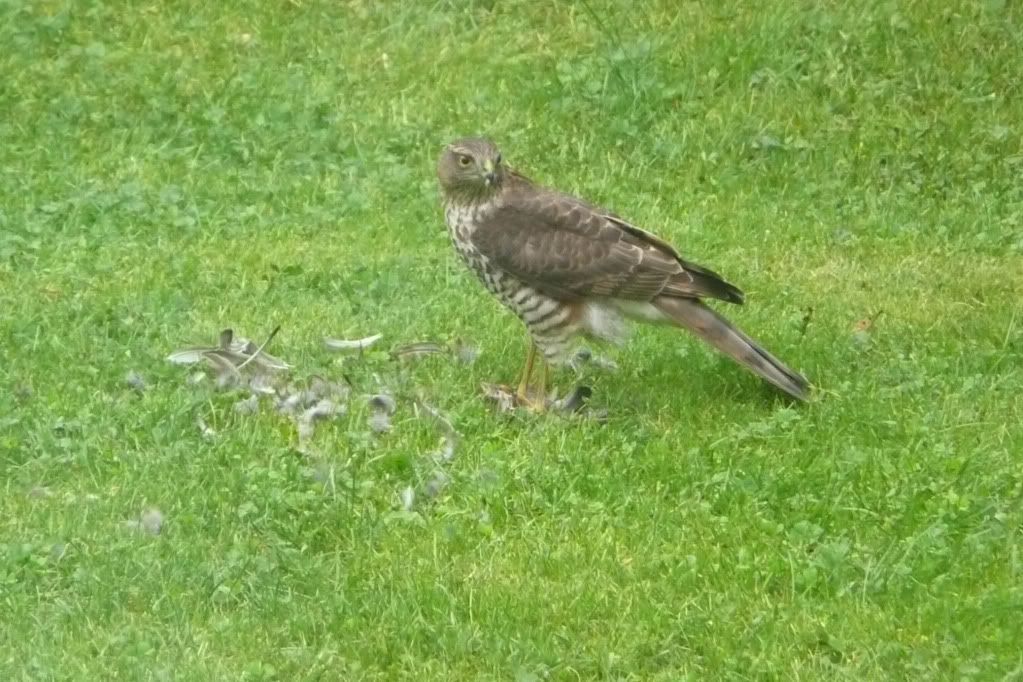
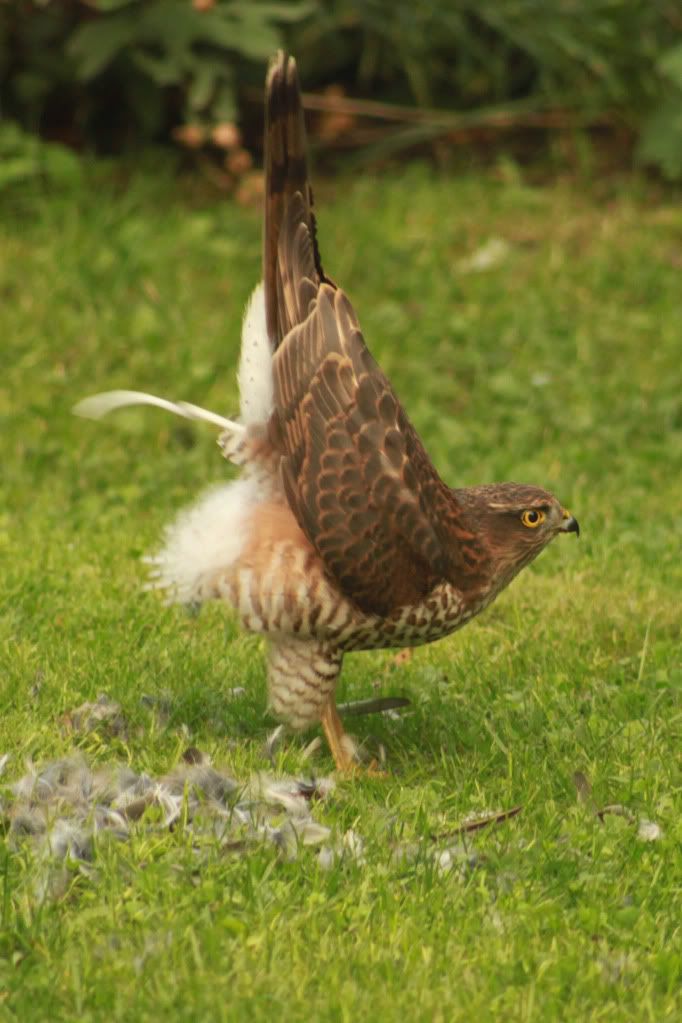
Sparrowhawks are infrequent visitors to our garden, the previous visitor has been an adult male - with a grey back and an orange front.  But this one is different: 
.
.
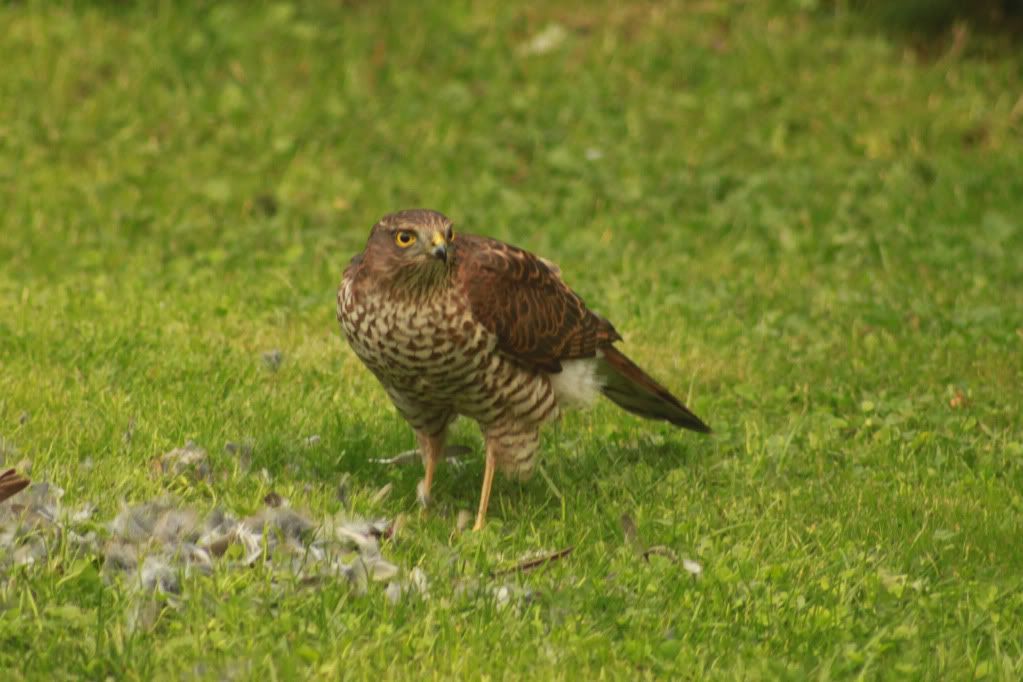
The brown back and brown front indicate it could be a young male, maybe even raised by the mature male which lasted visited the garden back in October last year (http://viewsoftheock.blogspot.com/2010/10/birds-of-prey.html).
.
.
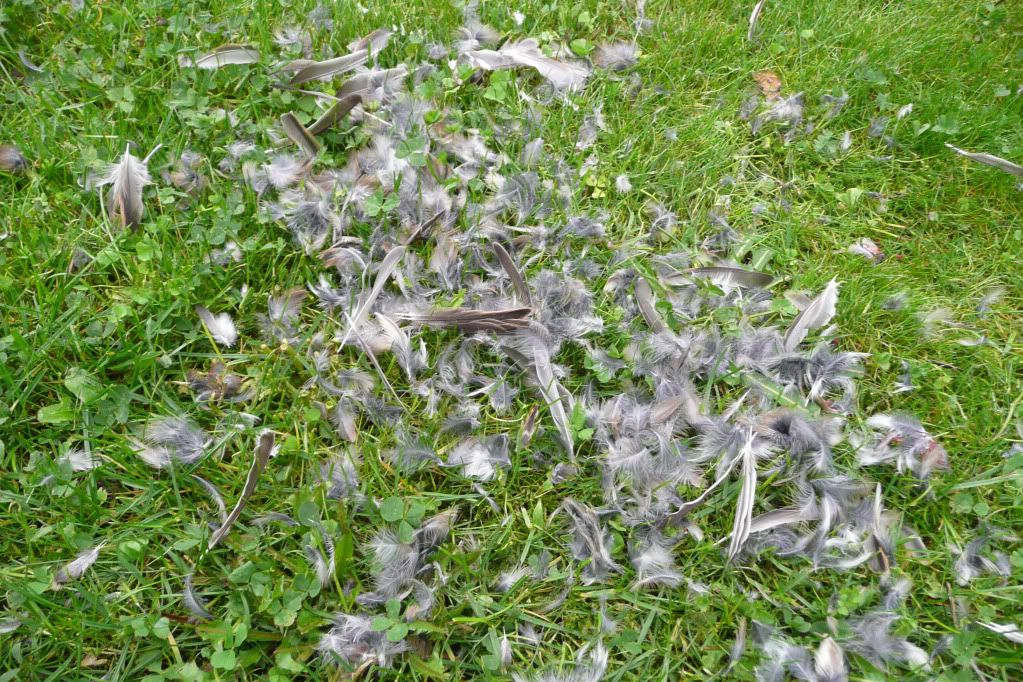
Judging the pile of feathers, it seems to have successfully mastered the skill of  hunting and from the remains, it seems it's victim is a house sparrow or a dunnock.
What is interesting is the complete lack of bones and internal organs, just feathers - the sparrowhawk had consumed it all.
.
.
What is also surprising was nonchalant it appeared, occasionally looking up as it devoured it's unfortunate victim for several minutes and then giving a glimpse of some seldom seen behaviour before leaving:
.
Sunday, 25 September 2011

Views of the Fal

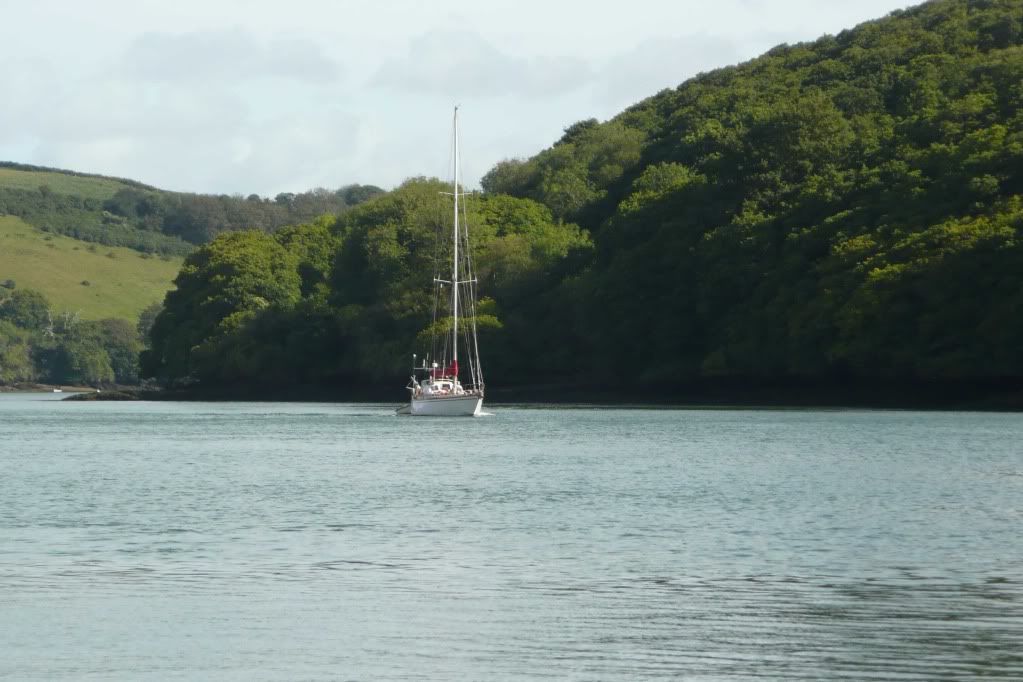
Rising near St Austell, the river Fal is one of numerous rivers which flow into the Fal estuary in Cornwall and is an idylic place to explore on an early autumn holiday.
The ferry from Truro to Falmouth (and St. Mawes) is an excellent way to explore the river system, with it's creeks and sail boats.
.
.
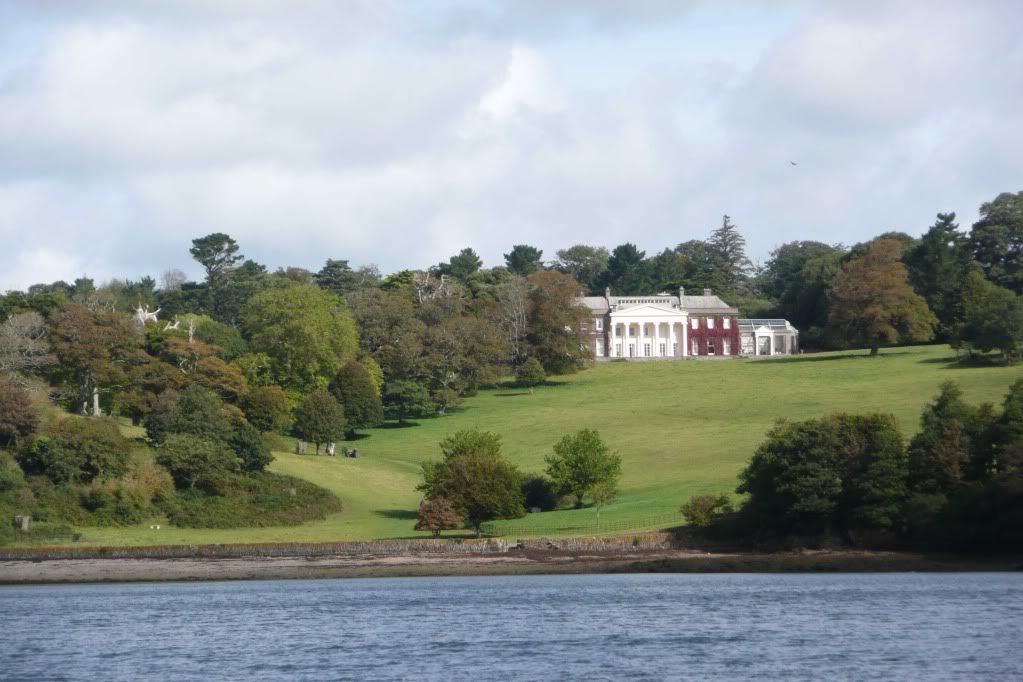
The south of Cornwall is famous for it's gardens, including Trelissick - owned and managed by the national trust since 1955.  Where the banks of the Fal provide the ideal habitat for the rare shrubs which grow there).
.
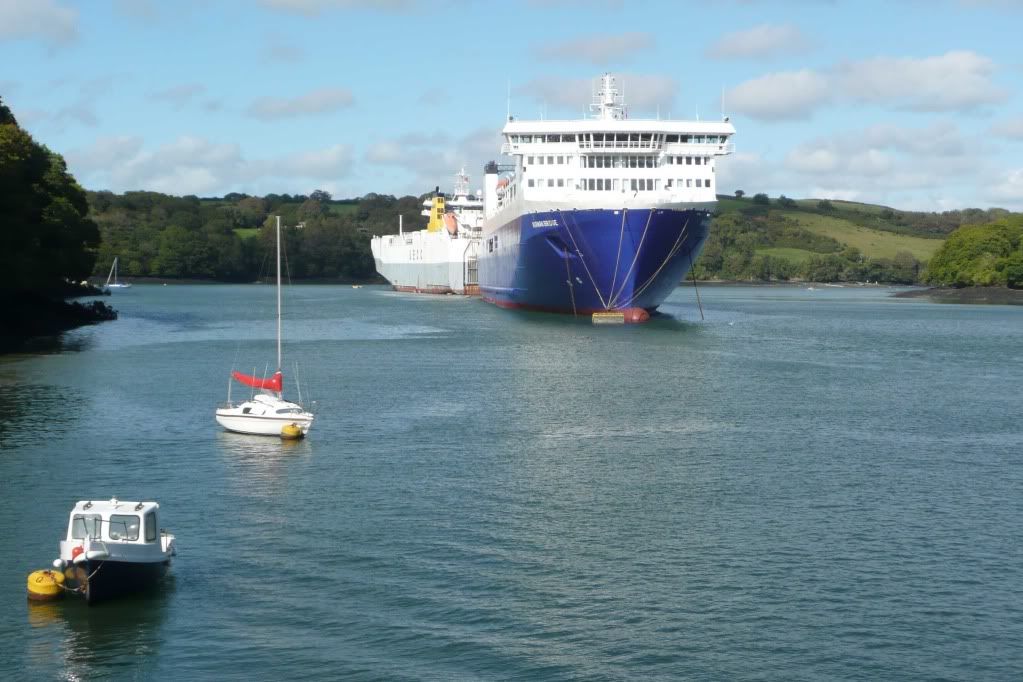
The river fal is the third deepest natural harbour in the world, as a consequence it  is has become a rather strange barometer of the worlds economic climate.  Huge ships (up to a 100,000 ton) are mothballed here, either awaiting to be recommissioned, scrapped or sold.
The current fashion is for ferries, here two are moored by the gardens.
.
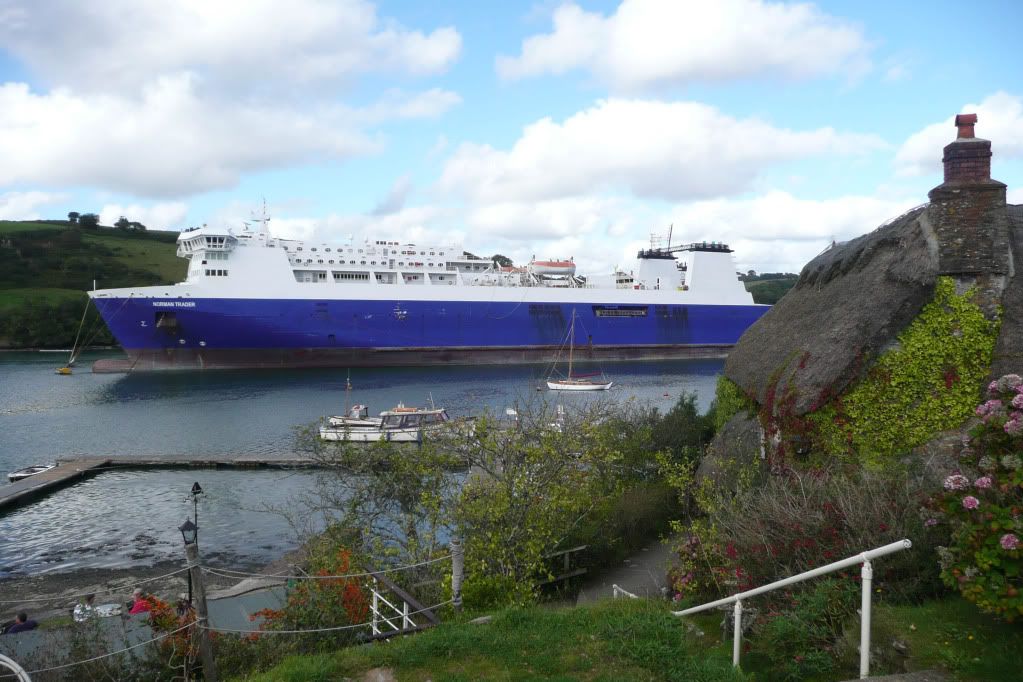
Another passenger ferry provides a  somewhat strange view from the Smugglers Inn - it also obscures the view of the only tea plantation in the UK. Which the inn servers along with that staple of Cornish holidays (apart from pasties), the cream tea.
.

Wednesday, 7 September 2011

Natural History Museum at Tring

Located only a few miles from College Lake is the Natural History Museum at Tring. It was built for and still houses the collection of Lionel Walter Rothschild, 2nd Baron Rothschild.
Walter Rothschild was an eccentric, in the only way a Victorian from a very wealthy banking family could be. Having failed to make the grade in the family's bank he dedicated his life to amassing an extraordinary collection of dead animals, including:
  • 2000 mammals
  • 2000 birds
  • 2,000,000 butterflies and moths
  • 300,000 beetles
  • 300,000 bird skins
  • 200,000 bird eggs.
The collection was stored in a private museum (paid for by the family) - the Walter Rothschild Zoological Museum - and bequeathed the museum to the country just before his death in 1937.  It is now managed by Natural History Museum and has free entry for the public.
Spread over five floors the museum is a jaw dropping monument to one man's obsession with killing and stuffing animals.
.
.
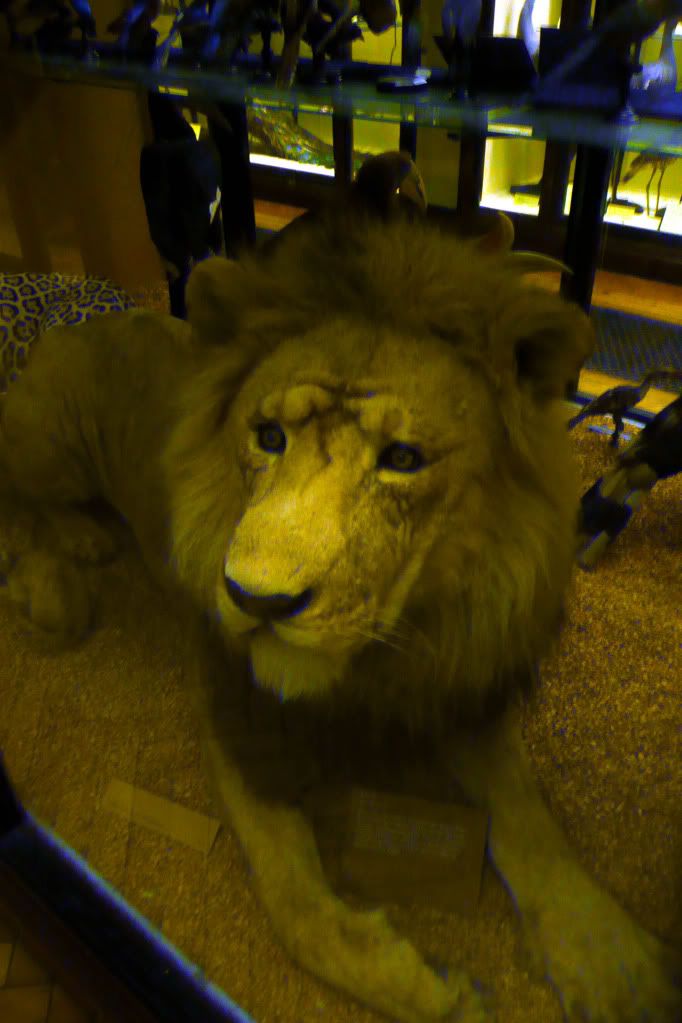
Some of these seem to be rather poorly done, rather than looking like apex predators, the lion and polar bear just look like giant soft toys:
.
.

In his book, A short history of nearly everything, Bill Bryson describes the sad story of the lesser koa finch, a small Hawaiian bird; only one has ever been seen and this was when it was shot for Rothschild's collection.
The finch, along with the majority of Rothschild's bird collection, was sold to the American Museum of Natural History in order to pay off a woman who had been blackmailing him for years.  Even so, most of his British bird collection remains at Tring, including this family of grey partridges:
.
.
It's easy to be critical of Rothschild and is obsession with killing and stuffing animals, certainly the mountain gorilla would be laughable if wasn't so tragic. But employed skilled zoologists, entomologists and ornithologists who helped him catalogue the collection, and in the process discover over 5000 new species, and published 1,700 scientific books.

Even today, the museum plays an important role for illustrators of field guides and for helping to identify recently discovered birds, like the Indian warbler.

Monday, 5 September 2011

College Lake

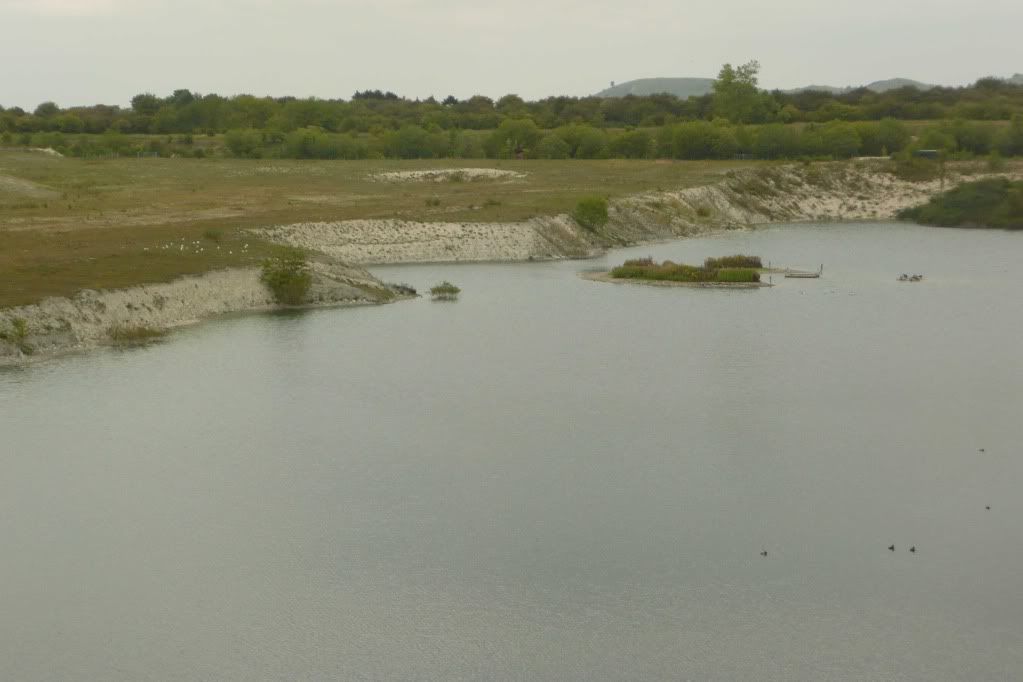
Situated on the  Buckinghamshire and Hertforshire border is College Lake, a former chalk quarry, now the BBOWT flagship reserve.
When quarrying was ceased in the 1980 the pit was allowed to flood, forming a habitat for summer breeding birds and winter migrants:
.
.
The new lottery funded visitors centre now features a cafe, a display of the mammoth tusks found when the quarry was active and best of all - the chemical toilets have been replaced.
The centre features a splendid living roof of local plant life (even if the lawns are not yet complete) and expansive windows to enjoy the lakes which make up the reserve.
.
.
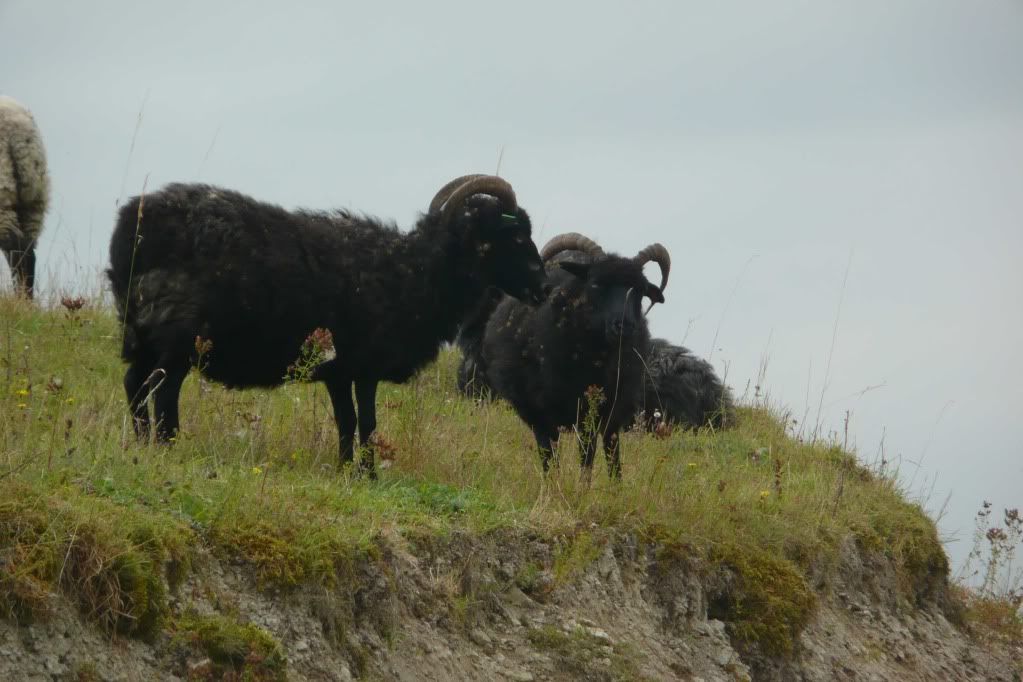
The two mile walk around the lake is unchanged and the sheep continue to graze the reserve in order to create wildflower meadows on the chalk banks surrounding the lakes:
.
.
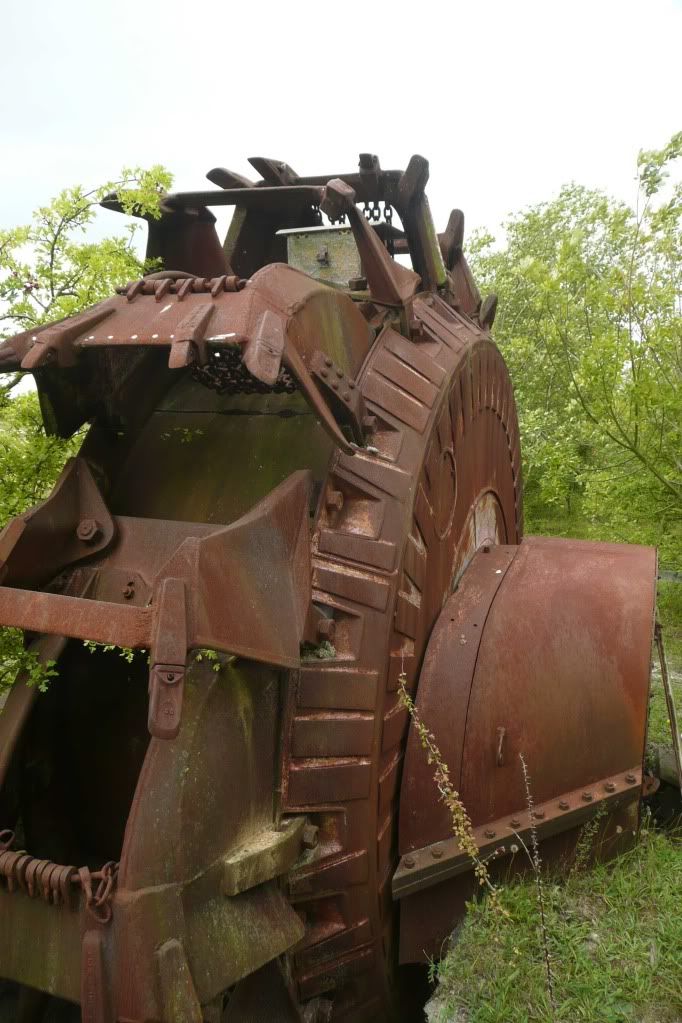
Old mining equipment, once used to dig out the quarry has, become a display, looking almost like an installation of  modern art 
.
.
College Lake makes a great walk in late summer / early autumn, but there isn't much wildlife about - the summer breeding birds have mostly gone and the winter migrants have not yet arrived. Although there was a kestrel, a couple of woodpeckers and  a flock of lapwings, somewhat hard to see in this picture.
.
.
College Lake will be a more hospitable in the winter, rather than freezing in one of the hides, it will be nice to be sipping a hot chocolate in the warm and watching the birds.

Monday, 29 August 2011

Last of the summer water voles?

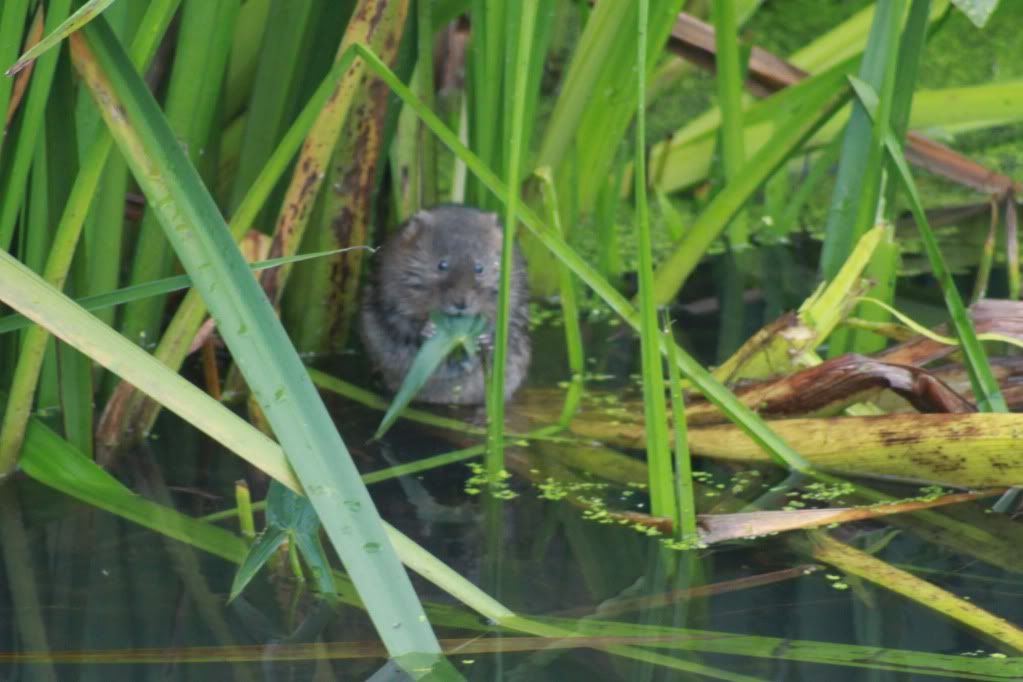
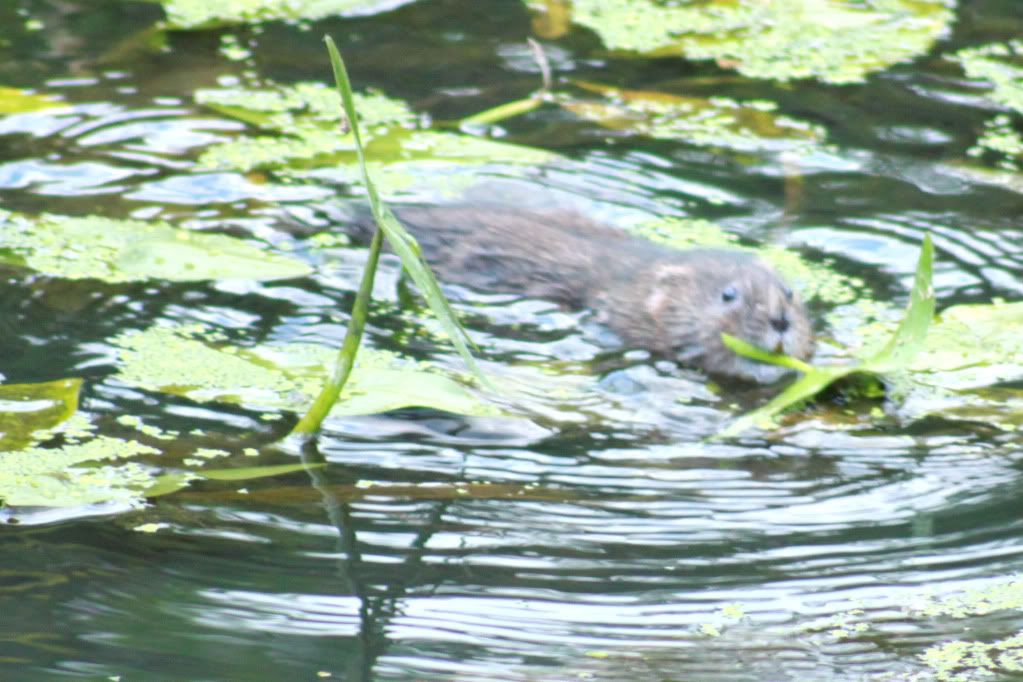
As summer gradually becomes autumn, the water vole mating season slowly grinds to halt and as they are no longer seeking mates or guarding territories they can be harder to see, especially as the days are now starting to get shorter.
So it is always a pleasure to see them, like this one, making the most of the arrowhead whilst it still grows.
.
.

Wednesday, 24 August 2011

Yet more dead crayfish

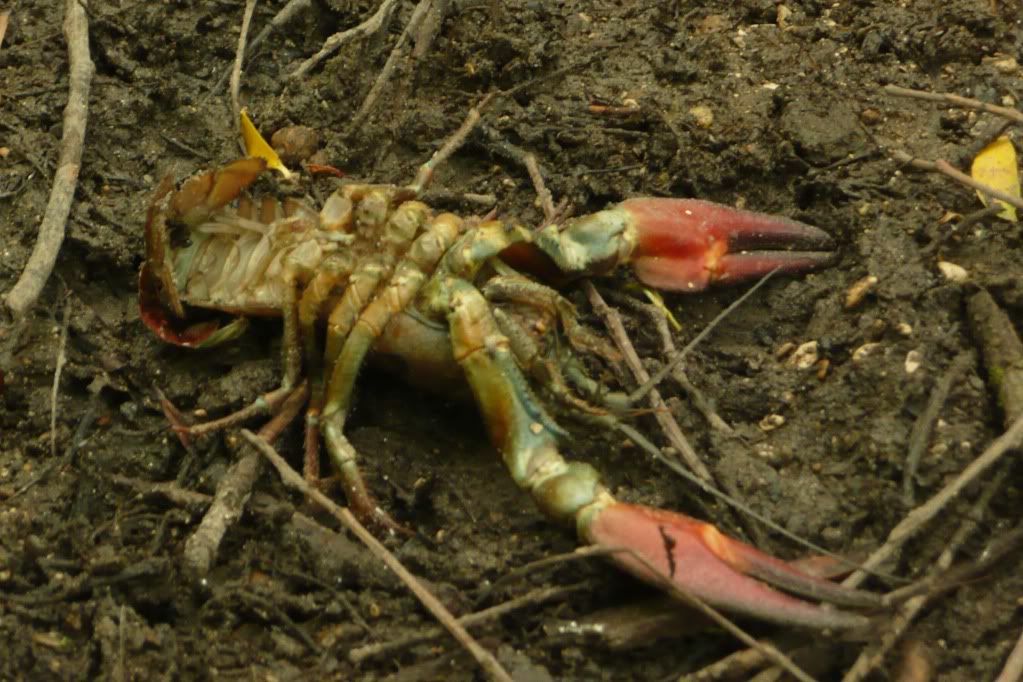
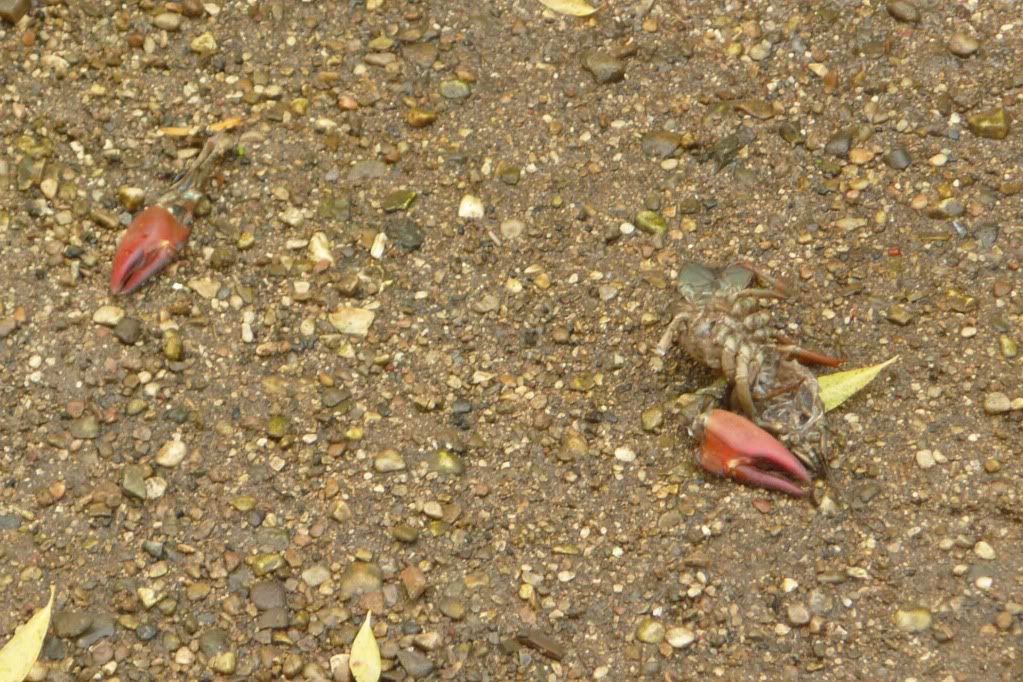
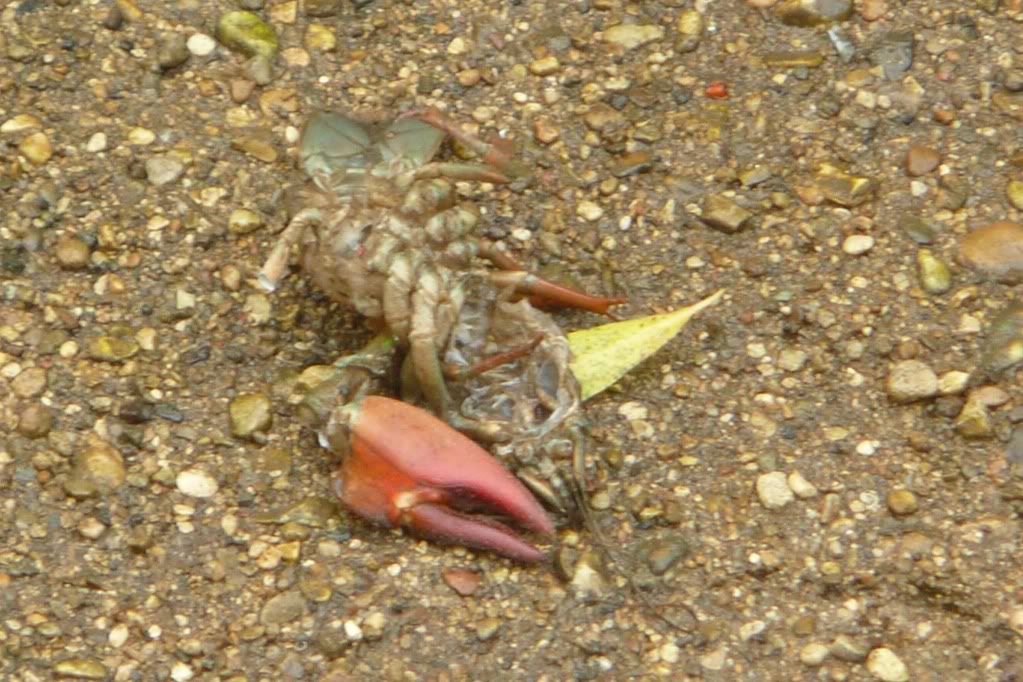
Regular readers of this blog would be aware of the occasional post featuring dead and half eaten signal crayfish (identified by the red claws). 
Certainly I seem to be building an interesting collection of photographs of these mutilated crustaceans (I wonder if there is a name for this?). The most recent being found during August along the Ock Valley walk:
This one was found earlier in the month, have only lost the end of the tail.
.
.
.
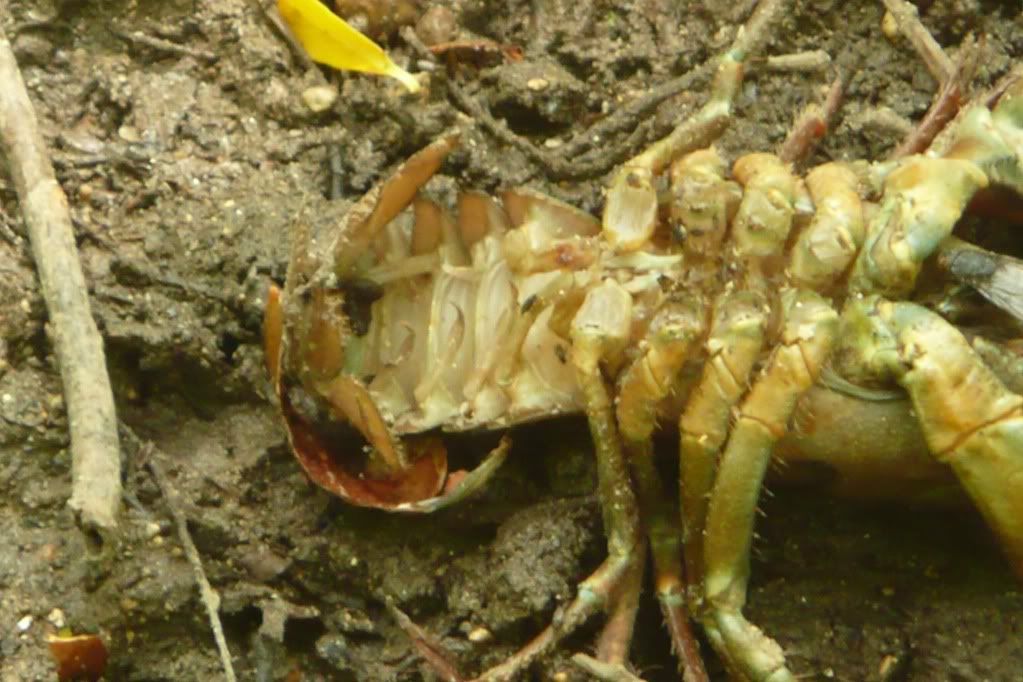
The other was found on Saturday and suffered a very violent and frenzied death - having a claw torn off, it's lower half removed (probably eaten) and lost part of it's head.
.
.
Whilst the death of the first could have several explanations, this one almost certainly is the result of an otter kill.
.
.
The non native signal crayfish has committed a lot of damage on UK wildlife - eating fish eggs in the thousand, climbing up river banks to eat young kingfishers in their borrow and driving the native crayfish to the brink of extinction.
But maybe  the return of otters to UK rivers (http://www.bbc.co.uk/news/uk-england-14557381) has been assisted by this alien (and obviously tasty) invader.

Wednesday, 17 August 2011

Signs of Autumn?

Although  meteorological calendar has autumn starting in September, there is a definite feeling that the seasons are already changing.  Not only are the days getting shorter, it seems to get dark at 8pm now and there is a definite chill in the morning.
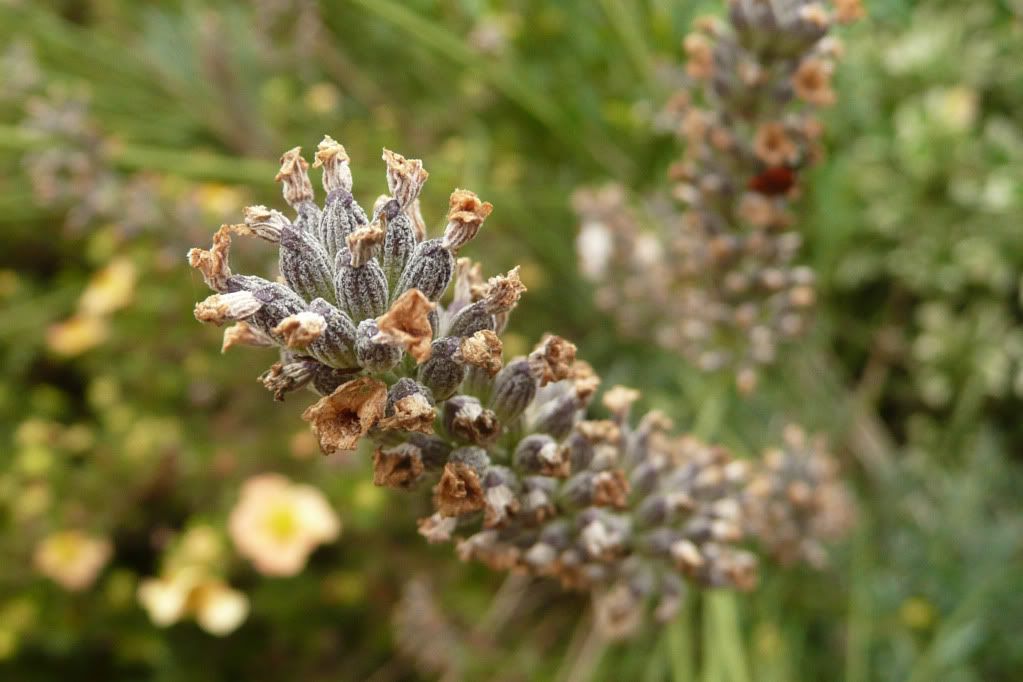
There are more obvious signs that summer has come to an end.  The lavenders in the garden have lost their flowers and as a result there are no more bumblebeees on them.  Having existed for for only the spring and summer, most bumblebee nests will now be collapsing and will no longer be  requiring them.
.
.
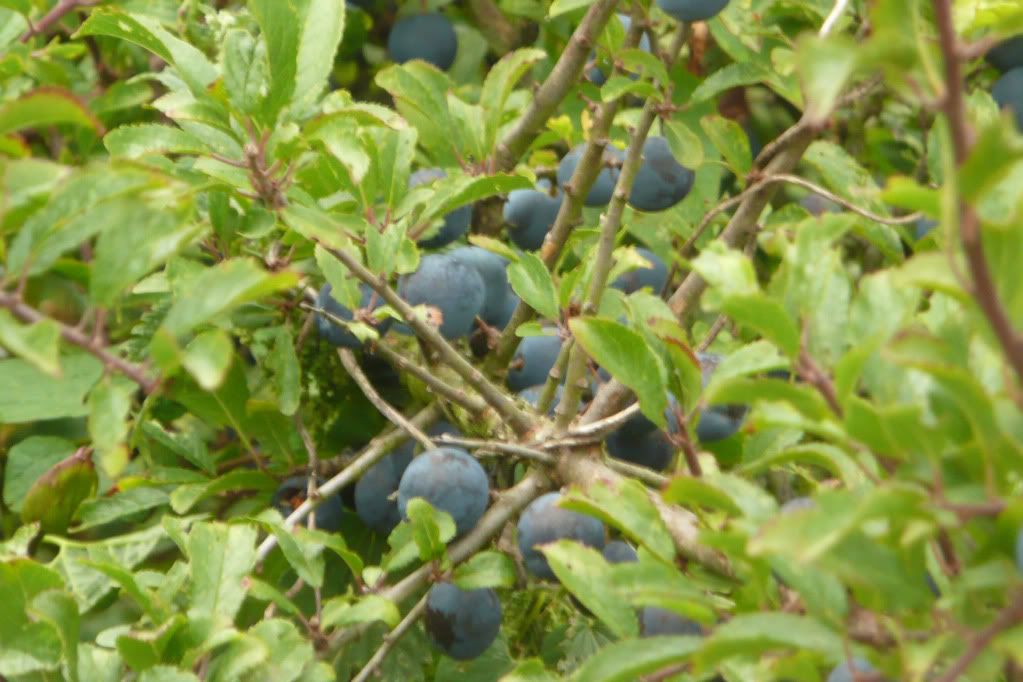
The blackthorn along the old canal, once in bloom in spring has now produced it's fruit:
.
.
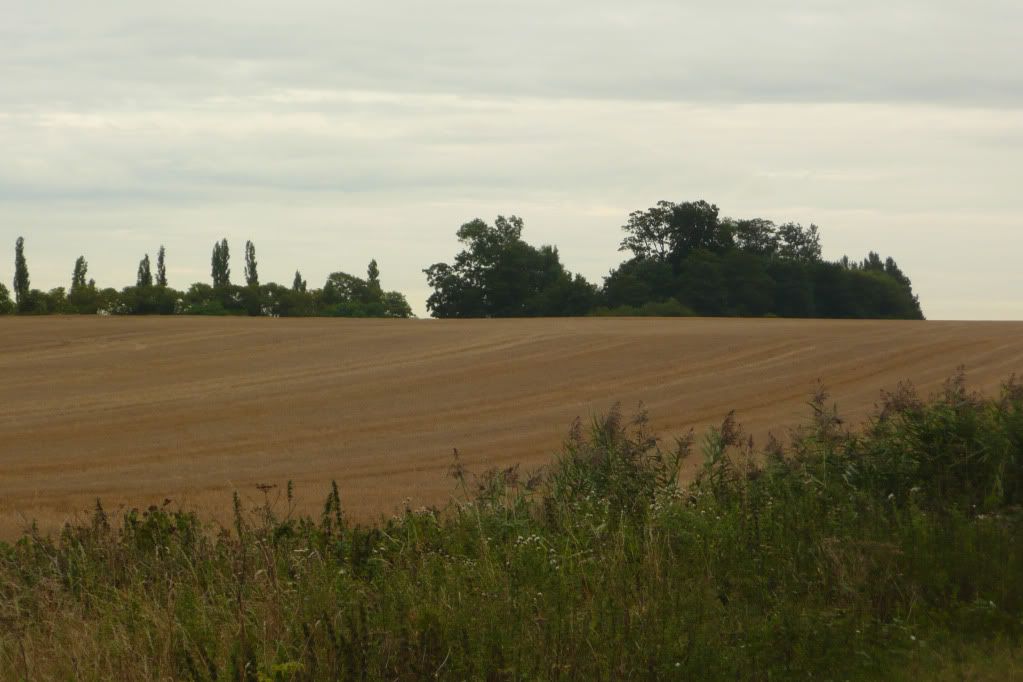
The barley growing in the fields is south Abingdon has now been harvested, leaving just stubble:
.
.
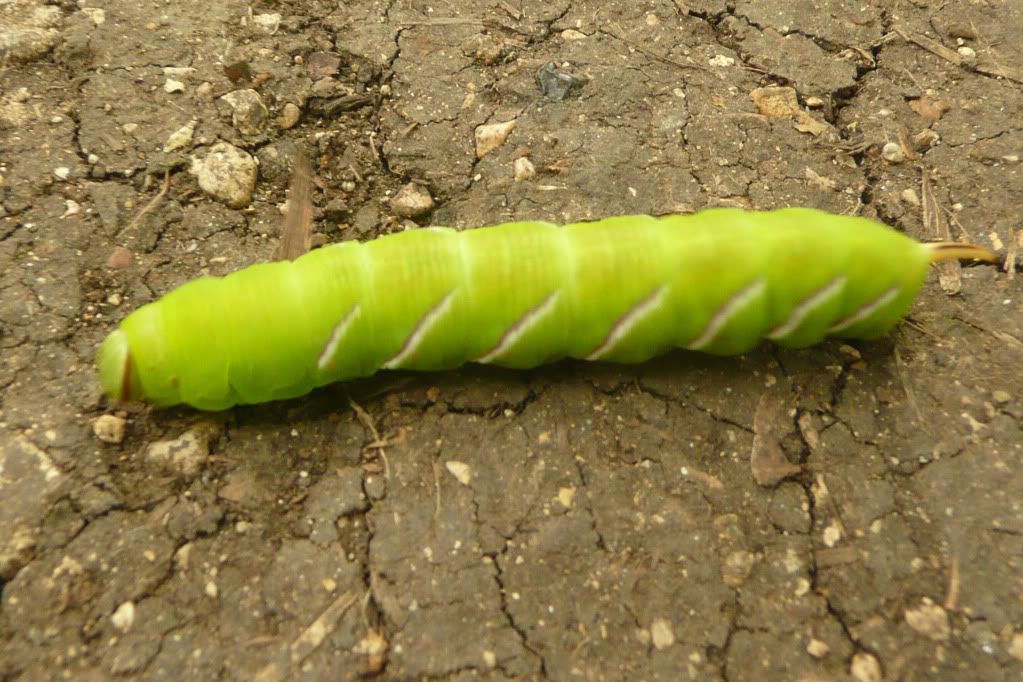
This impressive caterpillar may appear to be a symbol of spring, but it is  actually looking to borrow into the leaf litter. Where it will pupate and see out winter, before hatching into an adult hawkmoth next summer.
.
.
Still with autumn commencing there are other things to look forward to, the appearance of impressive fungus, the starlings forming their murmation and the return of Doctor Who.