Showing posts with label amphibians. Show all posts

Thursday, 9 September 2010

Random Stuff

Sorting out the 4Gb of pictures that were still on the memory card of my camera - most were rubbish; some have been posted before; some are irrelevant (a picture of Fairlop tube station !?!) and some are interesting, but did not seem to relate to any particular subject or were part of an ill fated post that was never completed.
These have been collated into a kind of miscellaneous post:
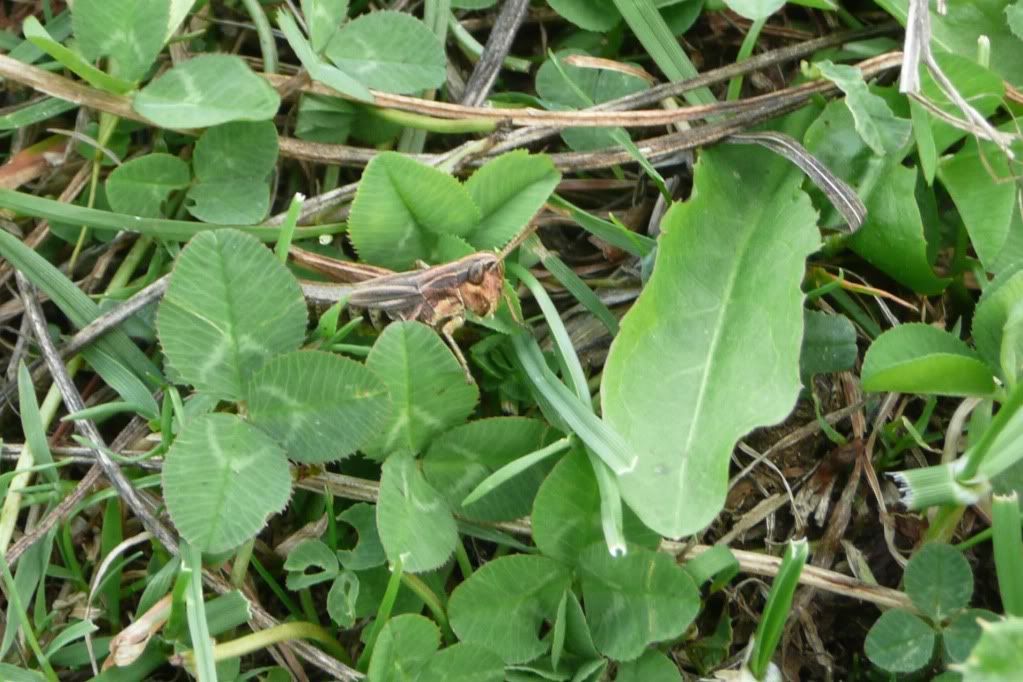
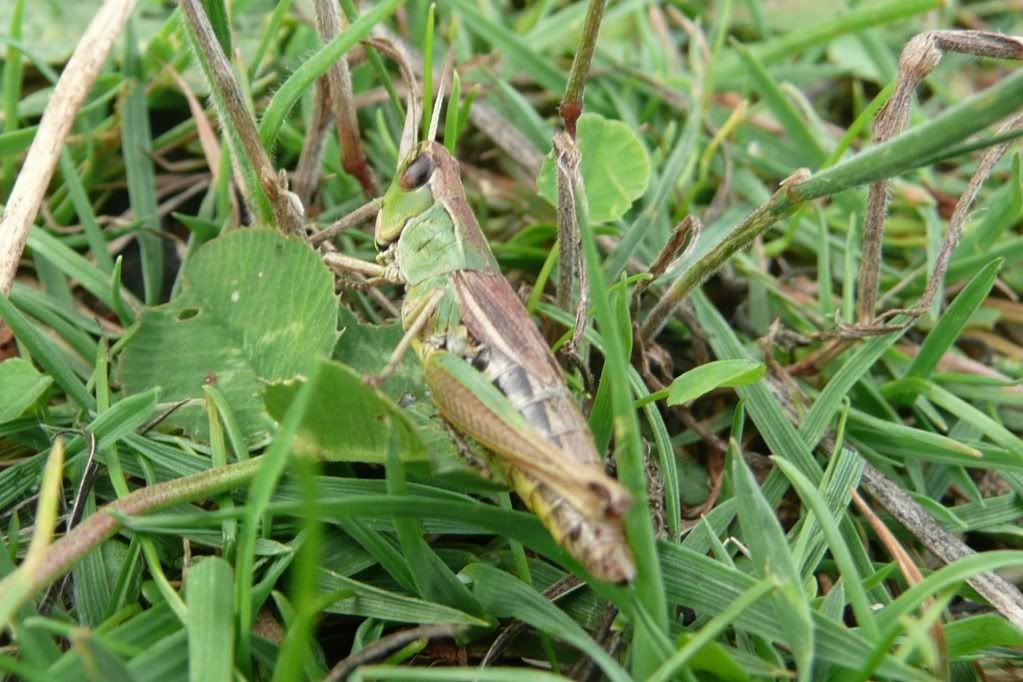
Grasshoppers: Despite their difference colours, these two are possibly 'common green grasshoppers', which aren't always green, they can also be grey or brown. Seen in the Ock meadows in August.
.
.
.
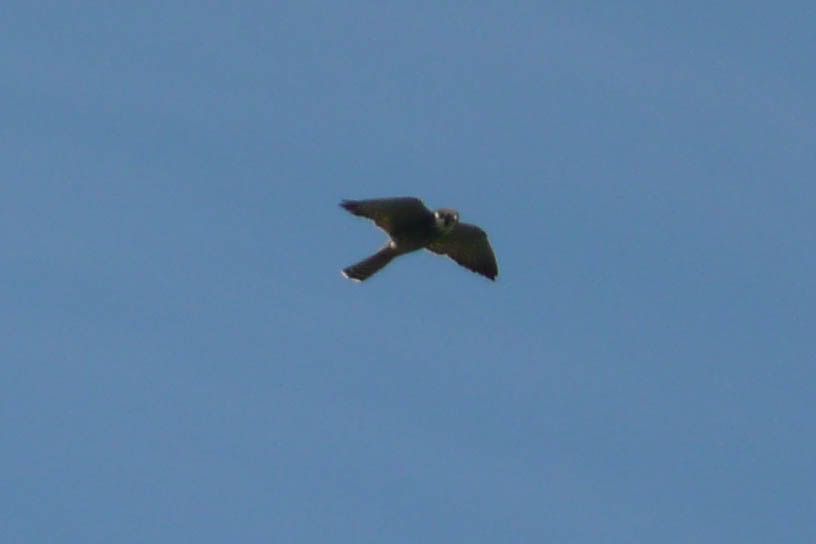
Radley Brook: Whilst waiting for the previously mentioned water vole to make an appearance (or not as the case may be), there are plenty of other things to see, including a sparrowhawk.  One of the four birds of prey that can seen in the area (buzzard, red kite and kestrel being the others, it is an objective of this blog to get decent pictures of all of them).
.
.
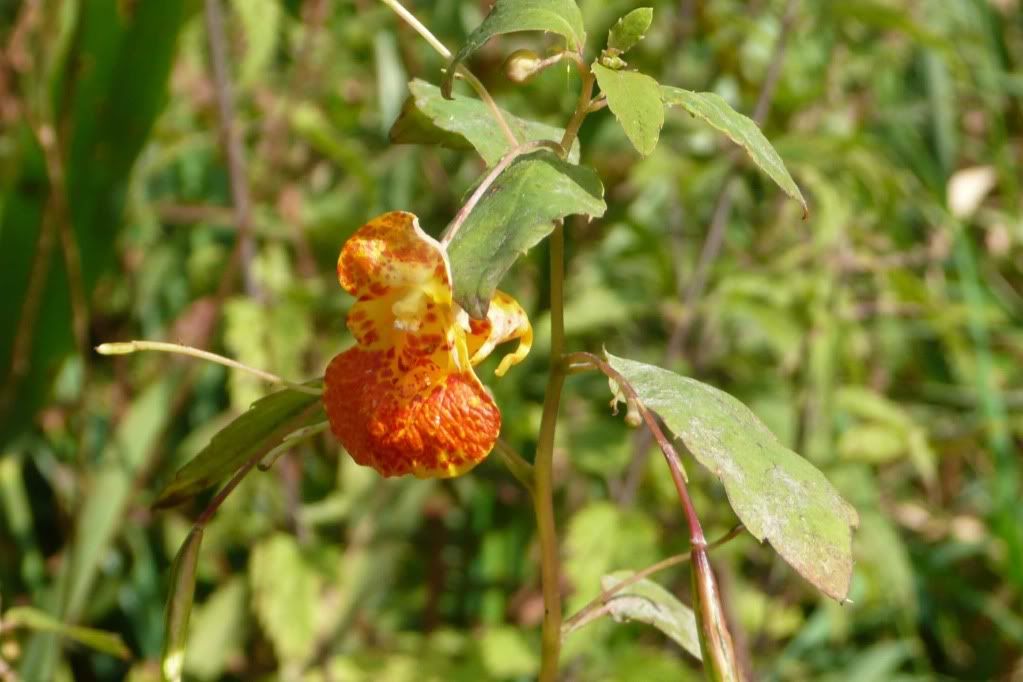
Orange Balsam, is a relative to the dreaded to himalayan balsam and is also an introduced plant that has escaped into the wild.  But unlike it's relative it is not as invasive and is rather attractive:
.
.
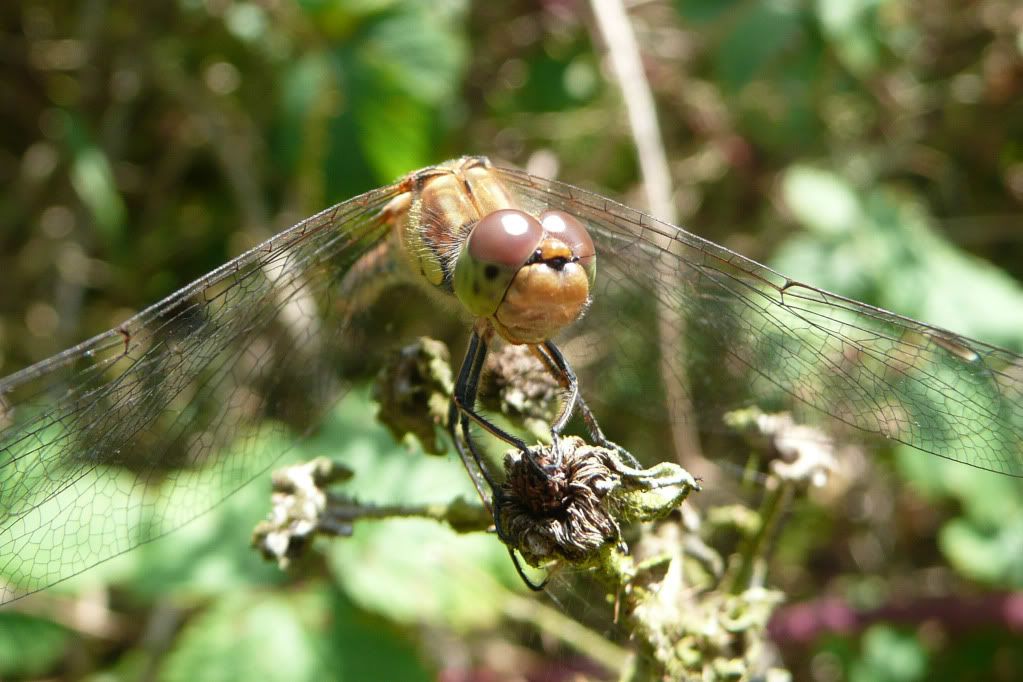
Dragonfly: A photograph of this particular dragonfly has appeared elsewhere in this blog, but in retrospect, I prefer this picture:
.
.
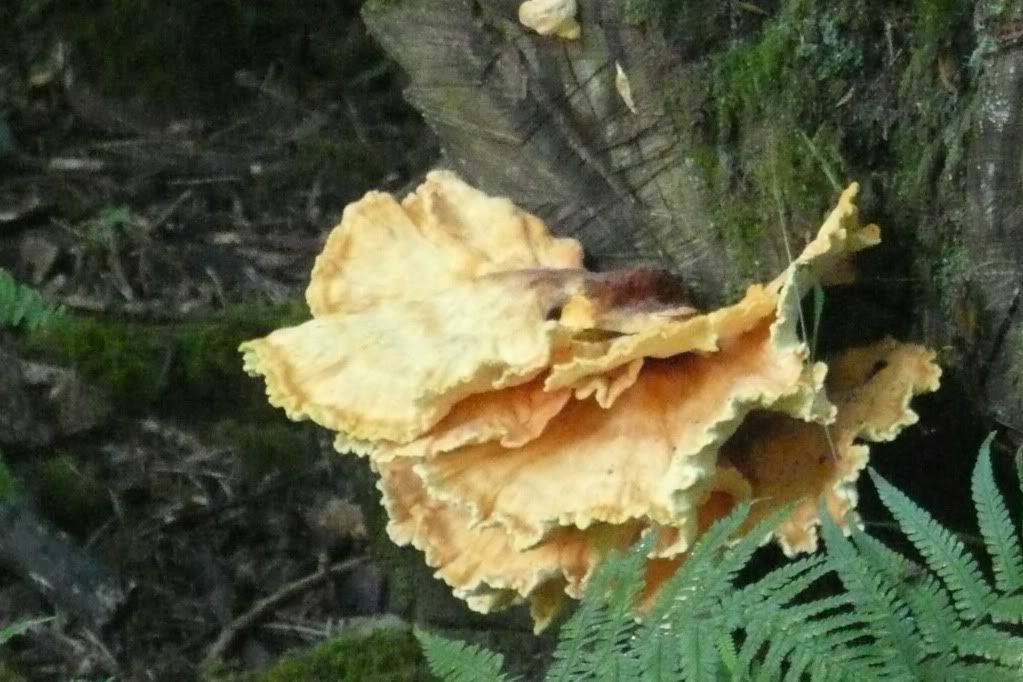
Wytham Woods: This rather impressive bracket fungus (with less impressive camera focus) in Wytham Woods near Oxford:
.
.
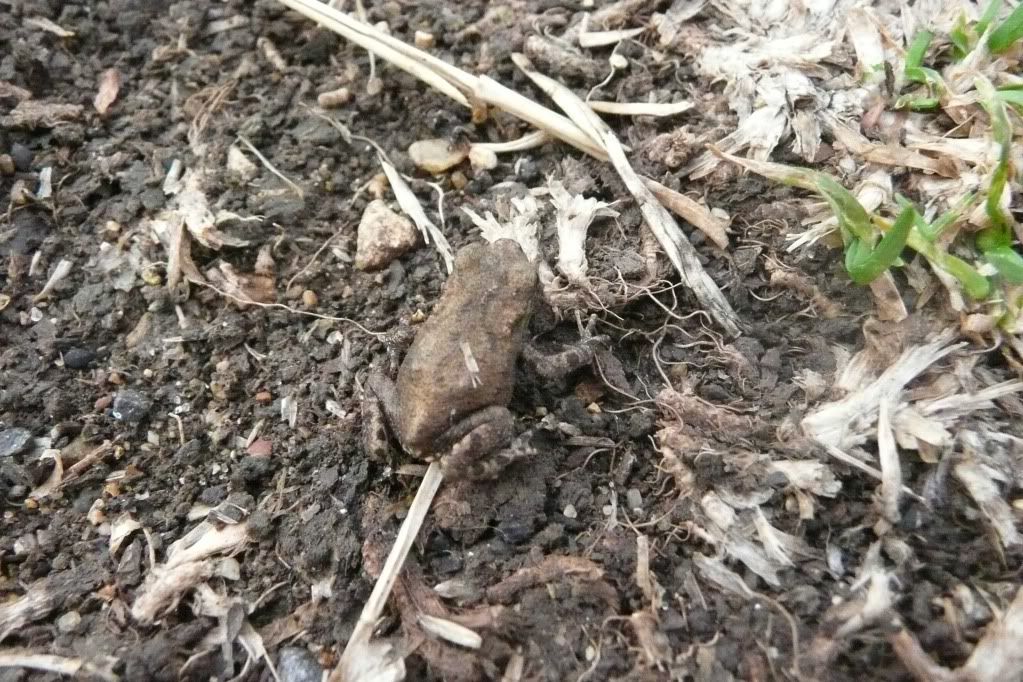
A small toad, also seen in Wytham Woods:
.
.
Managed by the University of Oxford Wildlife Conservation Unit, it has been intention to write a blog post about this fascinating place for a while. But like Sandford Brook, the Cothill Fens and the rivers Stert and Thames, it will have to remain on the list of posts that never seem to get written....

Sunday, 11 April 2010

More Toads...

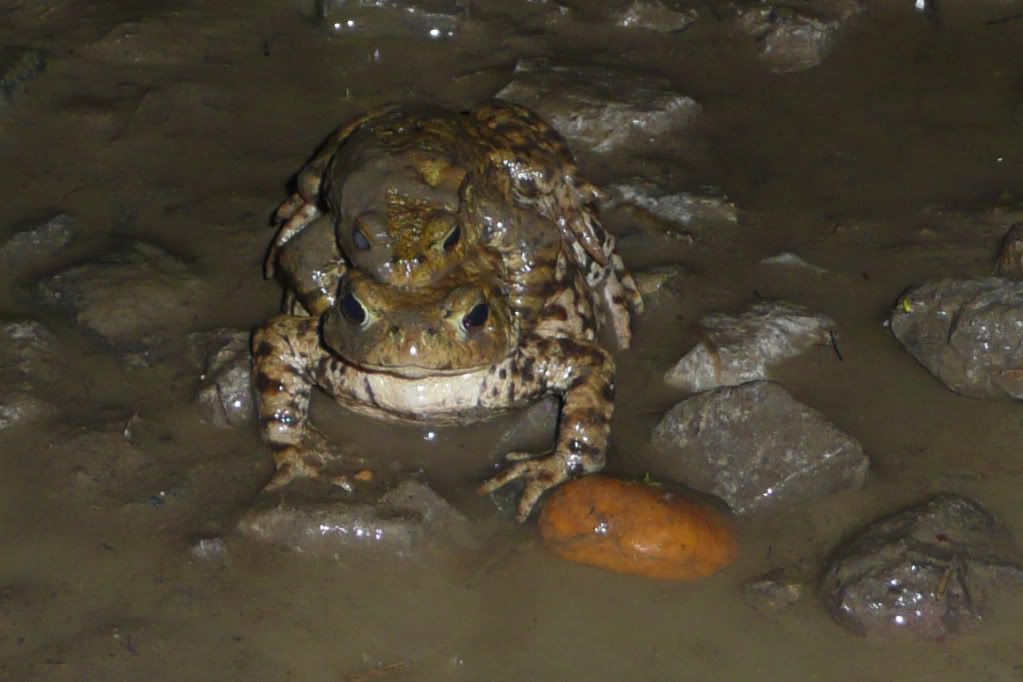
Thankfully, an early evening stroll has shown no sign of the feared toad carnage (no puns about Green Cross Toads here) and even in the last hours of daylight live ones are still about:


Toads spend most of their lives away from ponds and start the migration to their breeding ponds in autumn, taking a break in winter to hibernate, before continuing to their journey to their breeding pond in spring. 
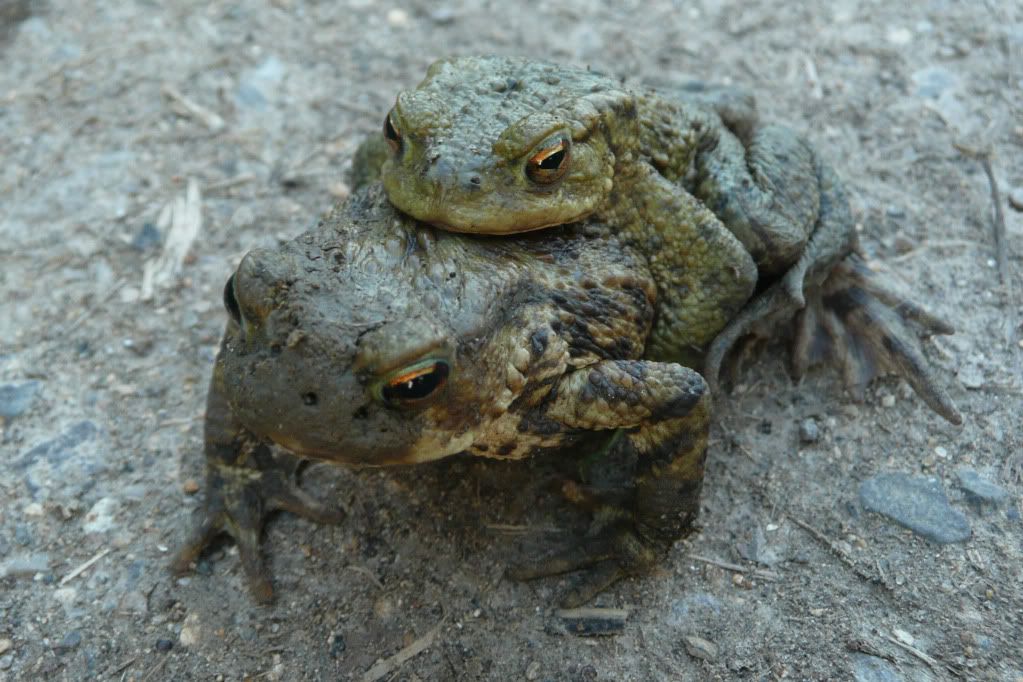
The females are considerably larger than the male, who attach themselves to the female - a technique known as amplexus.  As there are often more males than females, breeding balls can be ensue, where multiple males try and breed with a single female (see picture in previous post) - occasionally resulting in her death as she is smothered or drowned.  By being first and clinging on, this male will have an advantage over the other males.

Thursday, 8 April 2010

Toads..

The astronomical bodies aren't the only things out at the moment.  A late night walk down the lane has to be done carefully, as amorous toads are about:
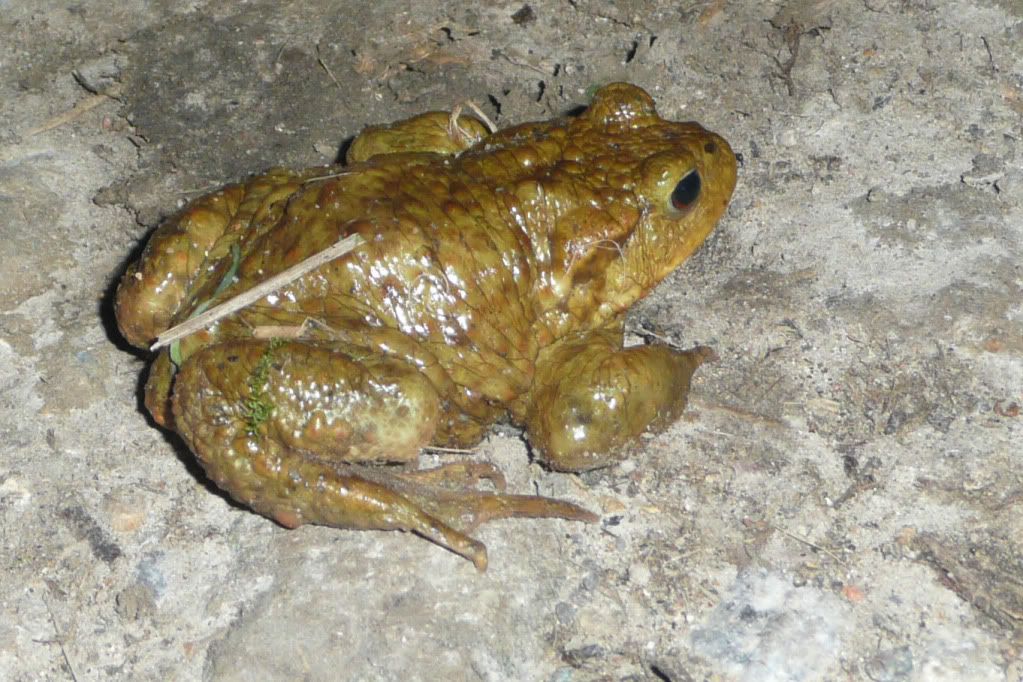
Whilst others are still single:
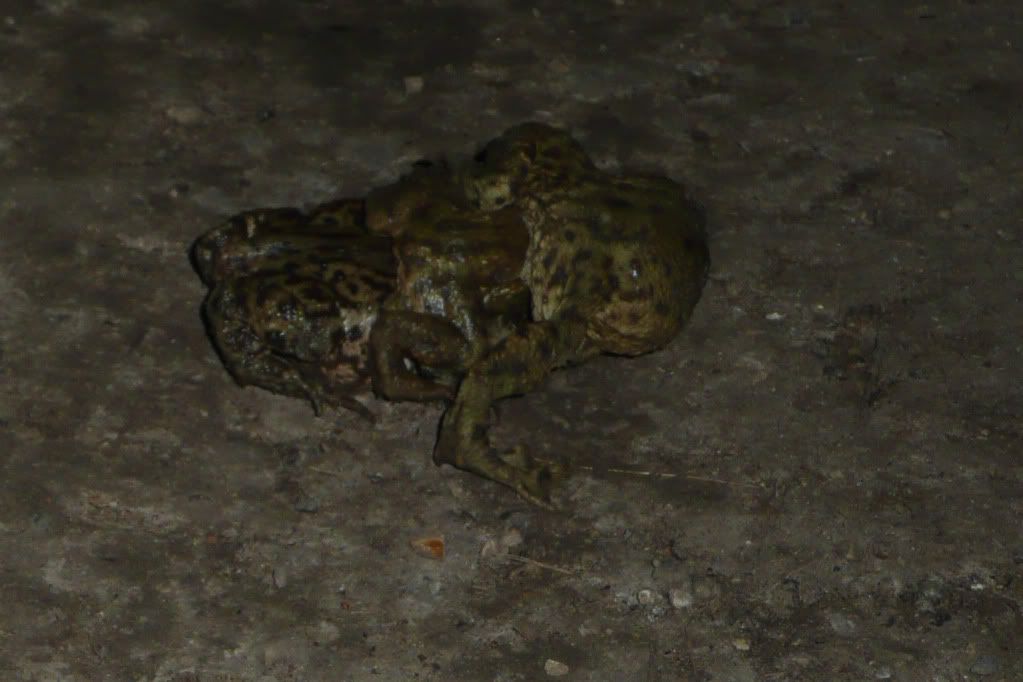
And those that aren't single are not always successful:
I just hope when I return in daylight, the lane is not covered in squashed toad corpses....

Sunday, 12 April 2009

Toads

This took me by suprise, on the wooden bridge crossing the Ock to the west of Abingdon were of pair of toads...


What they were doing on the bridge - it's about two meter's high - I don't know and the Ock certainly isn't suitable for the toad spawn and tadpoles - it moves to fast. Maybe they are heading for one of the ditches that are on either side of the river.
In later weeks I hope to explore some of these ditches.