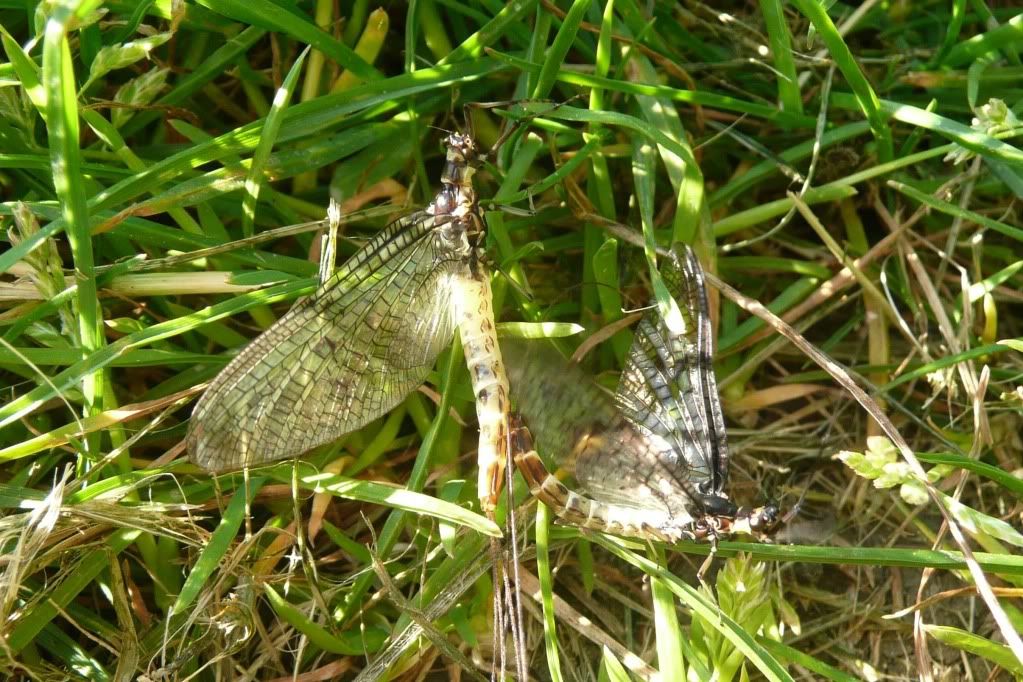
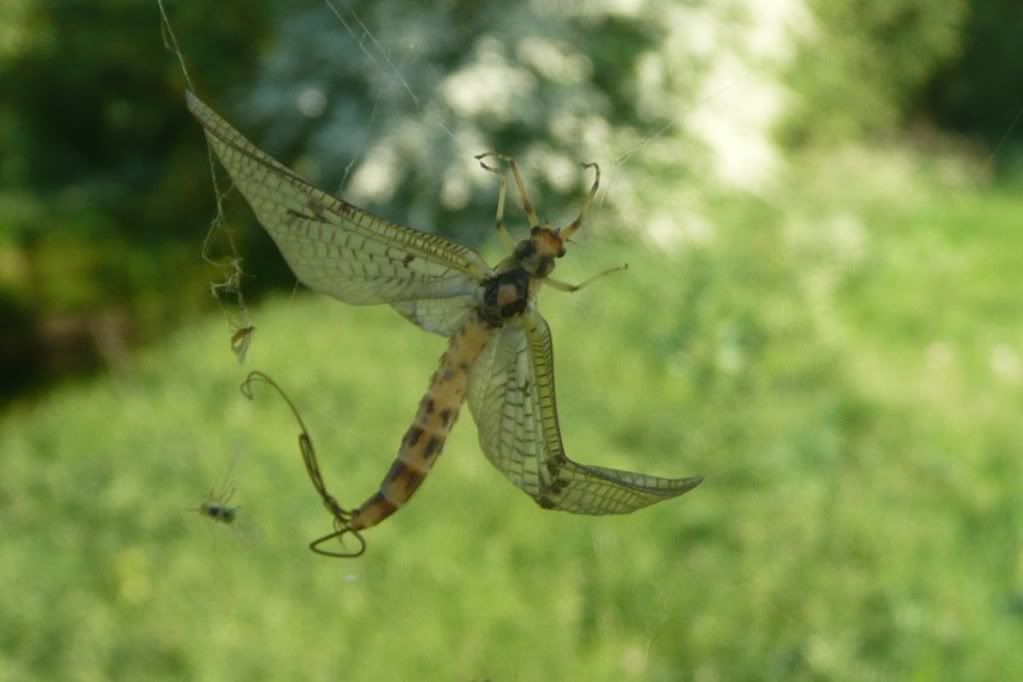
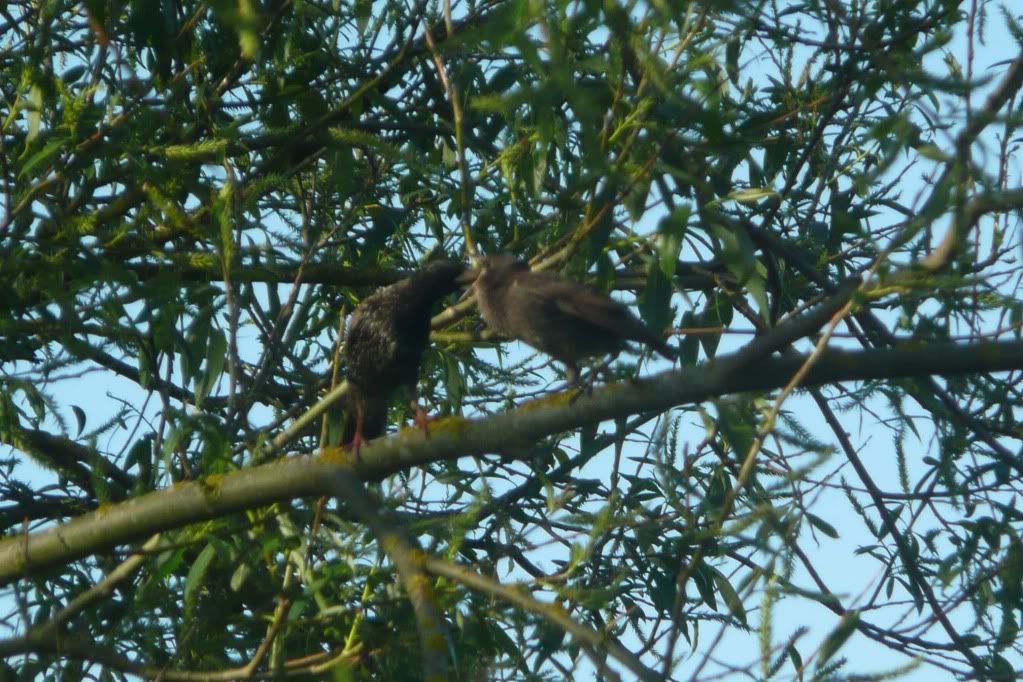
In between the typical holiday chores, visiting family and attending a very wet bun throwing, the long weekend provided a few opportunities (in between the rain) to get down to the river and enjoy the calm and see what was about:
Three weeks later than last year, the mayfly have finally emerged.
.
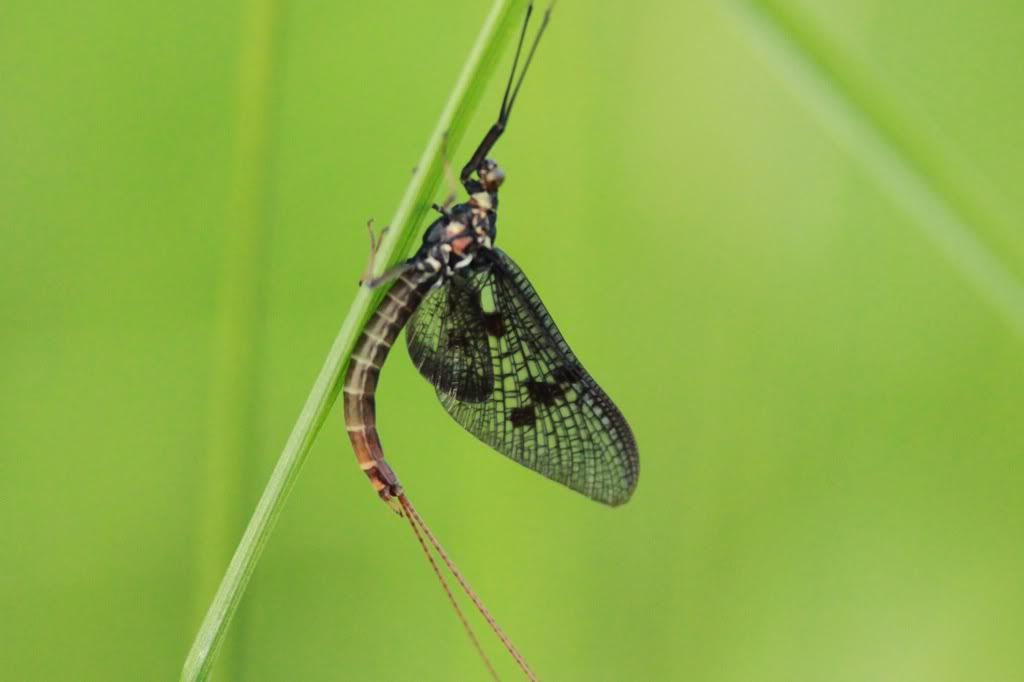
.
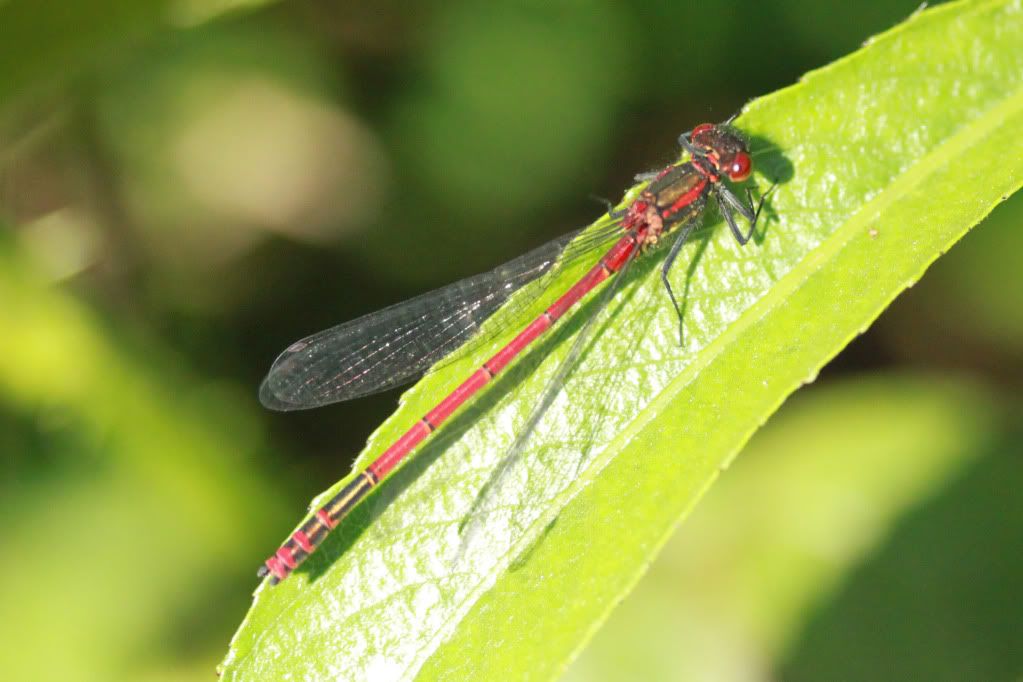
As the mayfly emerge, so do their predators, including this small red damselfly
Update (29/8/2012): This is not, as described above, a small red damselfly (Ceriagrion tenellum), it is a more common large red damselfly (Pyrrhosoma nymphal).
Thanks to Ian for the correction.
.
.
Also on this part of the river are the first ducklings of the year. As there are so many of them it could mean there are no mink or otters about, as both have a predilection for small water fowl.
.
.
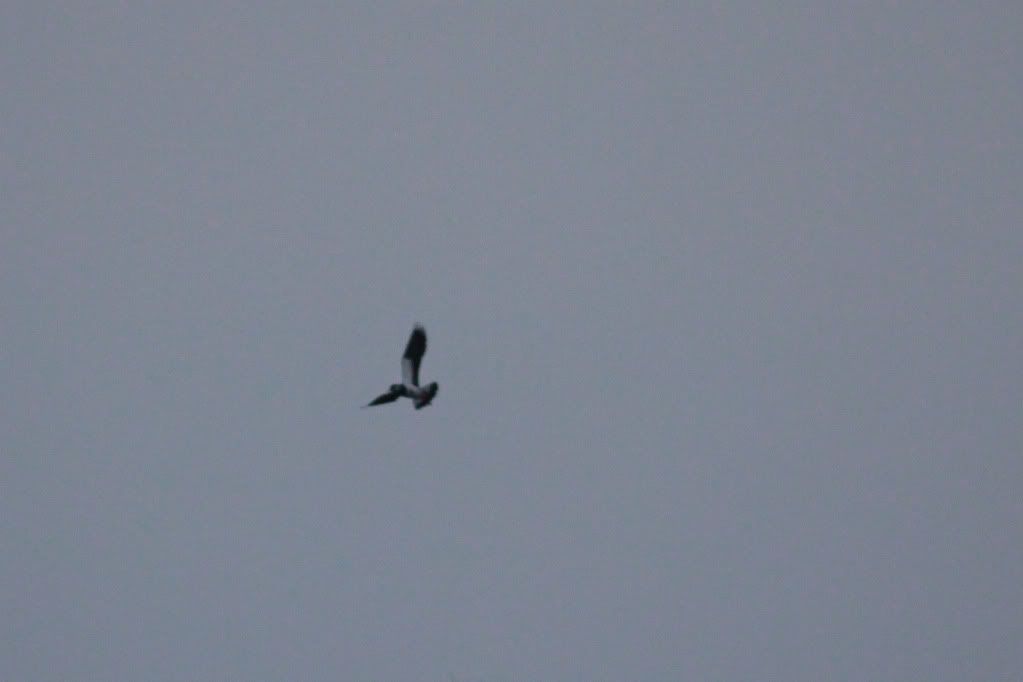
Another new arrival is a pair of lapwings, like most ground nesting birds these have been hit hard to by changes in the use of agricultural land, so it is great to have them nesting in the nearby fields:
.
.
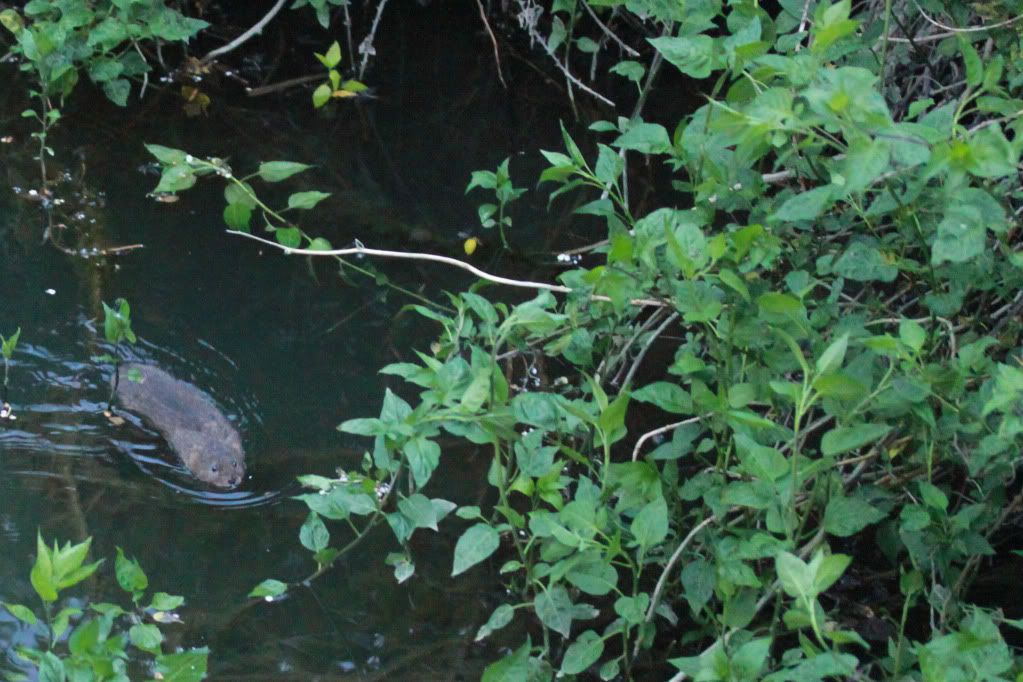
The recent warmer weather allowed the river flora to start growing, making it increasingly hard to spot water voles
.
.
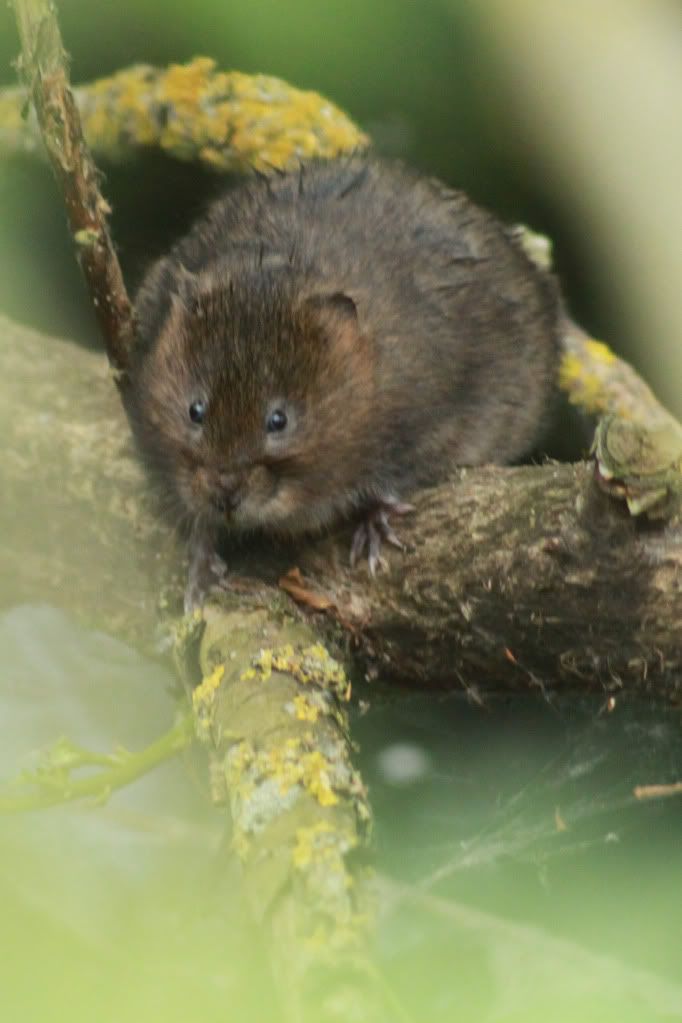
Although some are more obliging, by climbing up the willow trees to head height:
.
Wildlife and other things of interest on and around the river Ock in south Oxfordshire
Showing posts with label mayfly. Show all posts
Tuesday, 5 June 2012
Sunday, 12 June 2011
Annoying insects?
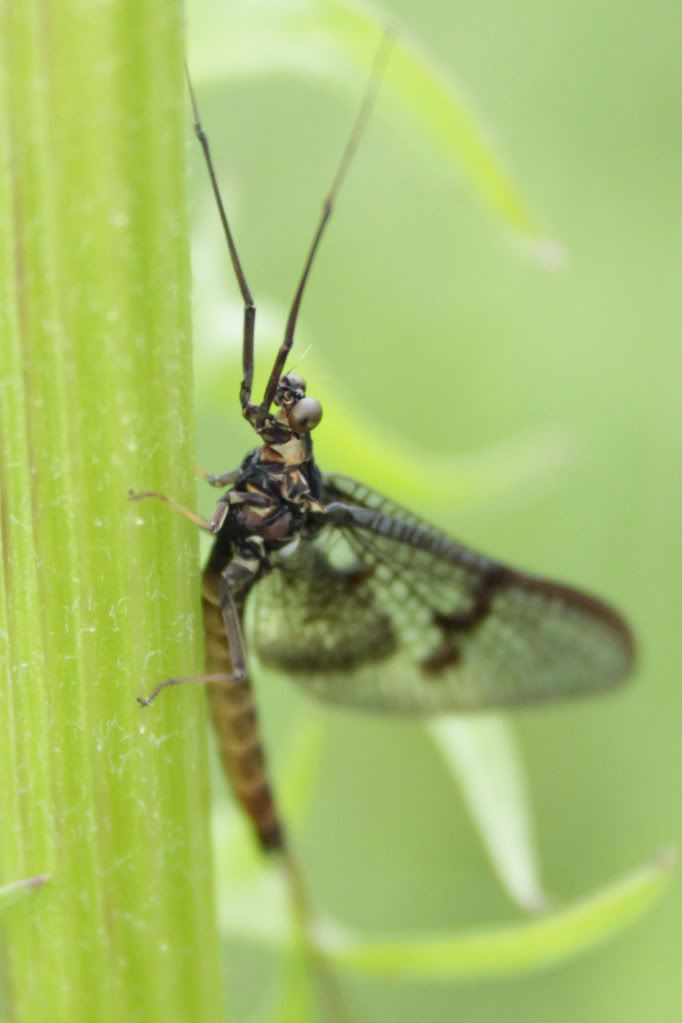
Mayfly have featured in this blog several times, having spent over a year as larvae, eating algae those that have survived being eaten by fish, crayfish and dragonfly larvae emerge from the river in late spring and become adults. With no mouth or stomach closeup they appear almost alien.
.
.
The e lucky one ones will live for a day during which they will attract a mate, reproduce, lay eggs and die:
Whilst, the unlucky ones just become part of the food chain. Having survived them as nymphs, adult mayfly are a target for adult dragonflies and damselflies, who find the males easy prey as they bounce up and down in the air trying to attract a mate.
.
.
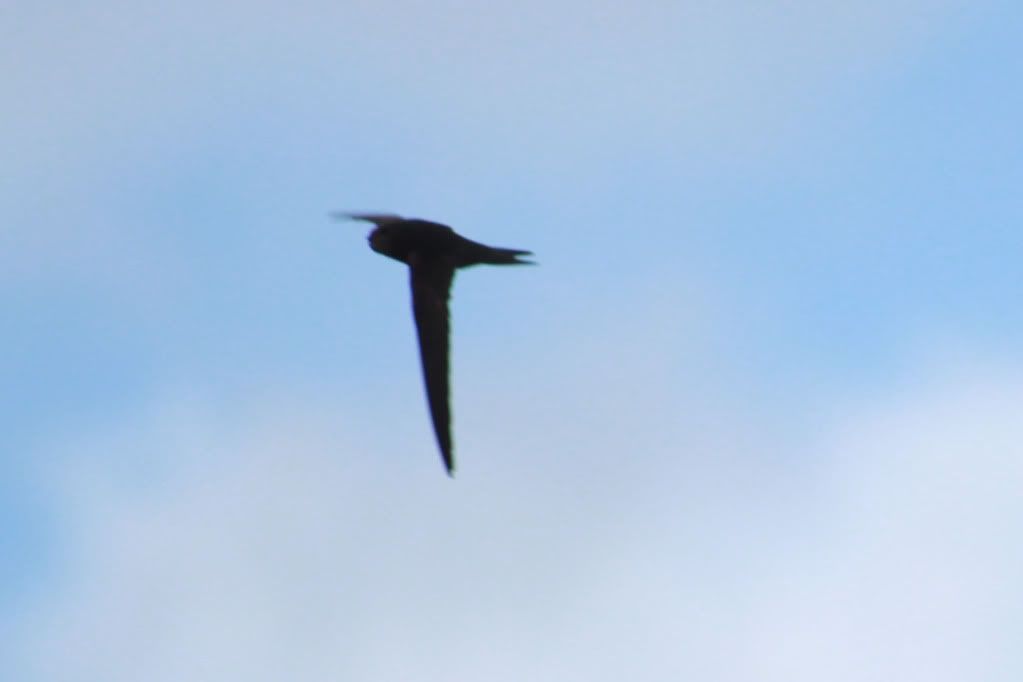
These along, with the mayfly are prey for swifts who have returned to Abingdon after spending the winter in Africa to raise their young. Darting above the river at high speed, making the most of this abundance of winged insects (making them rather tricky to photograph).
.
.
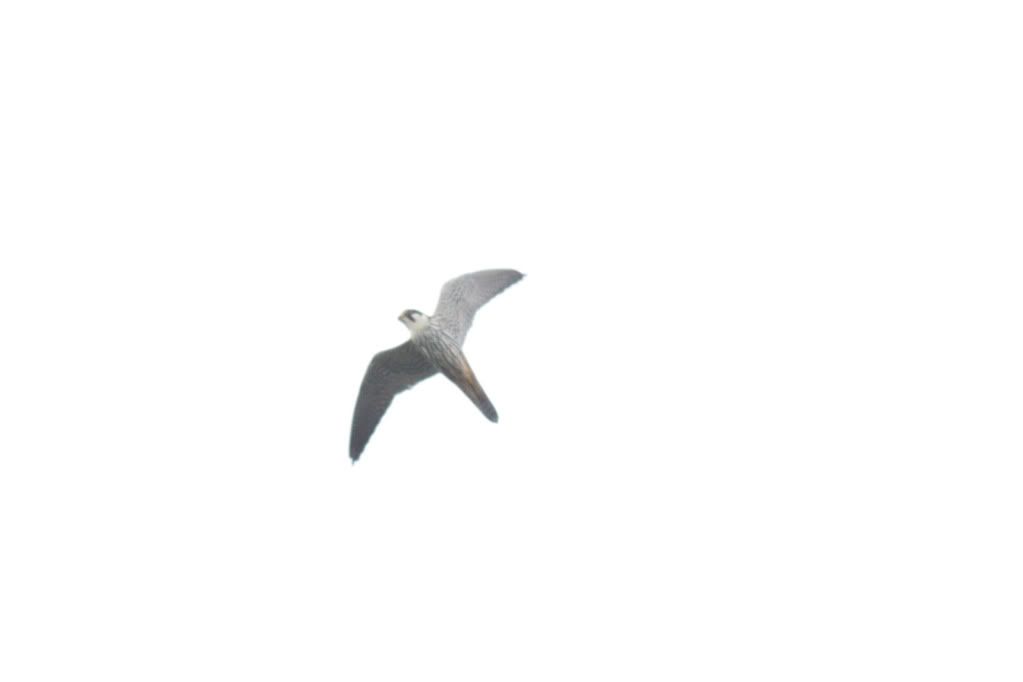
The swifts - along with the damselflies, dragonflies and the unfortunate mayfly - are in turn prey to a small bird the size of the kestrel with the flying pattern of a swift; these are hobbies that have also returned from Africa and on occasions can be seen darting above the Ock:.
.
.
.
The e lucky one ones will live for a day during which they will attract a mate, reproduce, lay eggs and die:
Whilst, the unlucky ones just become part of the food chain. Having survived them as nymphs, adult mayfly are a target for adult dragonflies and damselflies, who find the males easy prey as they bounce up and down in the air trying to attract a mate.
.
.
These along, with the mayfly are prey for swifts who have returned to Abingdon after spending the winter in Africa to raise their young. Darting above the river at high speed, making the most of this abundance of winged insects (making them rather tricky to photograph).
.
.
The swifts - along with the damselflies, dragonflies and the unfortunate mayfly - are in turn prey to a small bird the size of the kestrel with the flying pattern of a swift; these are hobbies that have also returned from Africa and on occasions can be seen darting above the Ock:.
.
.
Although when swarming in large numbers they can be an annoyance on a early summer walk, the mayfly in their larval and adult forms are probably one of the most important creatures on the river and without them we wouldn't have the dragonflies, birds, fish and otters that make the Ock such an enjoyable place to walk.
Saturday, 5 June 2010
Subimago
Although not as abundant, the mayfly are still flying (and being eaten). Unlike other insects with aquatic early stages, the mayfly undergoes two stages of metamorphosis.
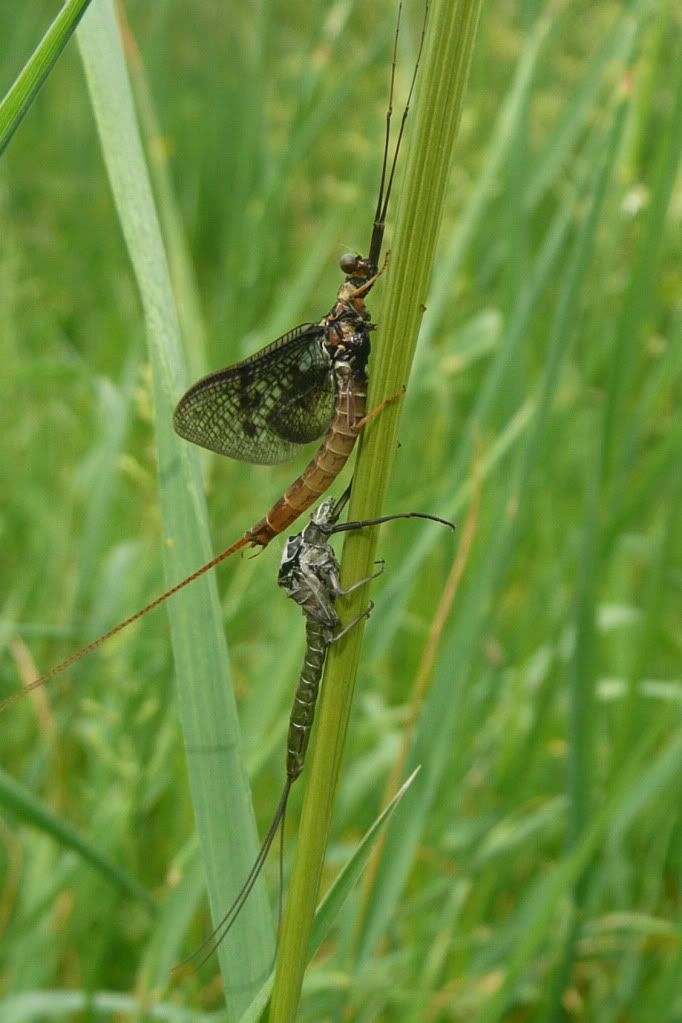
The first stage is nymph becoming a subimago - winged but is not yet mature version of it's adult form. The mayfly spends less than 24 hours as a subimago before moulting for the last time and becoming an adult (the imago - an adult insect).
It is this final stage that I was privileged to see by the river this morning:
The first stage is nymph becoming a subimago - winged but is not yet mature version of it's adult form. The mayfly spends less than 24 hours as a subimago before moulting for the last time and becoming an adult (the imago - an adult insect).
It is this final stage that I was privileged to see by the river this morning:
Monday, 24 May 2010
The day in the life of a mayfly
Having spent the past two years as nymphs living in the river and eating algae, the hot weather has bought the mayfly out on mass. The adult stage has no mouth parts or digestive system and only live for short period of time - often only a day.
Having emerged from the river they find somewhere suitable for their wings to dry, like this one on a footpath:
Monday, 1 June 2009
Mayfly
Subscribe to:
Posts (Atom)